

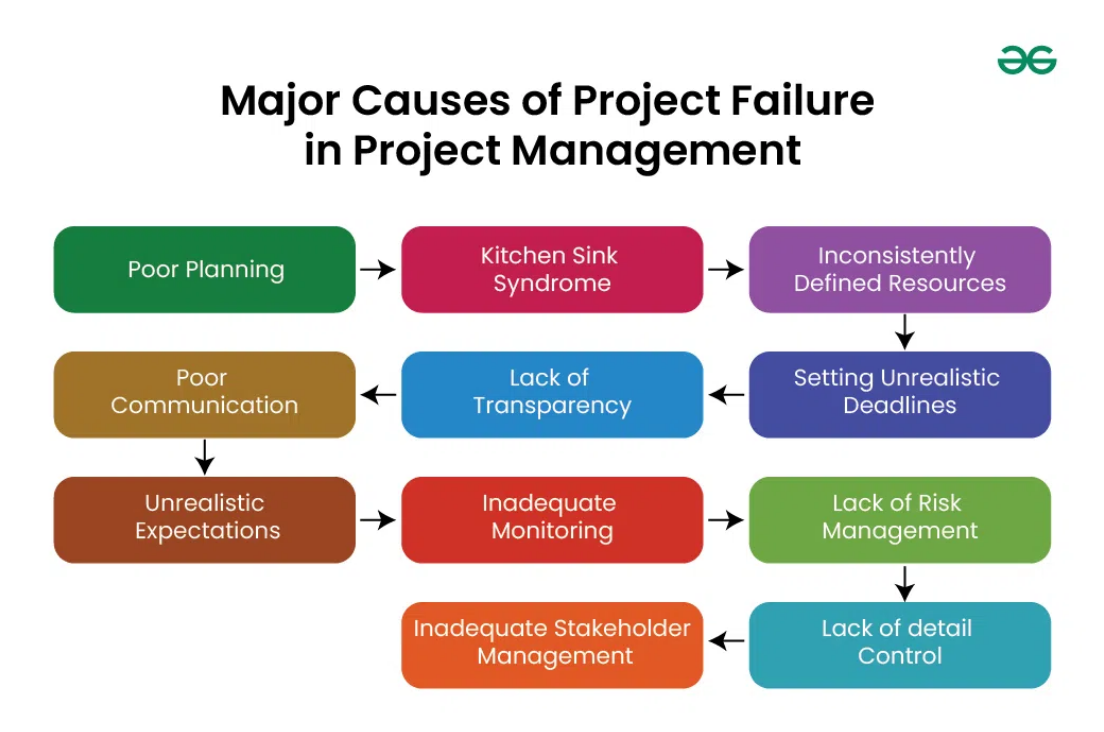
Software projects are supposed to bring efficiency, savings, and modernization. Yet time and again, large IT initiatives derail, ballooning in cost while leaving users frustrated. Nowhere is this more evident than the SAAQclic fiasco in Quebec, which highlights not only project mismanagement but also the fertile ground that weak oversight creates for favoritism and corruption.
The SAAQclic Case: Mismanagement Meets Overspending
The Société de l’assurance automobile du Québec (SAAQ) launched SAAQclic in 2023 to let drivers renew licenses, book appointments, and manage services online. On paper, the idea was solid. In practice, it was chaos.
Originally budgeted at $638 million in 2017, the project’s costs are now projected to top $1.1 billion by 2027 (Journal de Montréal, Global News).
Even before launch, the Auditor General found that leadership downplayed or concealed problems, presenting indicators as “green” despite unresolved delays and quality issues. Worse, nearly 20% of essential tests were skipped before going live, causing weeks of service outages, long wait times, and angry citizens who couldn’t even book appointments.
This wasn’t just incompetence—it looked suspiciously like an intentional strategy to push the project forward regardless of readiness, hiding the true state of affairs from taxpayers and politicians.
Where Oversight Ends, Corruption Begins
Oversight failures like these often create a perfect breeding ground for favoritism and backroom deals:
- Opaque Contracting: Large IT contracts are usually outsourced. When oversight is lax, contracts can be steered toward preferred vendors regardless of merit, leading to inflated costs. In Quebec, government IT projects have long been criticized for their reliance on a small club of major consulting firms, raising questions of cronyism.
- Manipulated Reporting: By presenting “green” indicators to boards or ministers, managers create a false sense of progress. This shields favored contractors from penalties while ensuring lucrative change orders and extensions continue to flow.
- Weak Communication Channels: When communication between technical teams, oversight committees, and the public is deliberately muffled, accountability disappears. This allows political allies or connected consultants to profit even when deliverables fail.
- Incentives to Overspend: Large consulting firms are rarely rewarded for delivering under budget. Instead, the longer a project drags on, the more billable hours pile up. Without tough governance, cost overruns can be quietly absorbed and explained away.
In the case of SAAQclic, critics have pointed out that leadership at the SAAQ knew about major flaws but minimized them, suggesting either negligence or the desire to protect contractors already embedded in the project. Either way, taxpayers foot the bill.
Global Examples of Waste and Favoritism
Sadly, Quebec’s SAAQclic isn’t unique. Around the world, government IT projects have followed the same pattern:
- FBI Virtual Case File (USA): Canceled after $170 million spent, the project failed due to scope creep and poor leadership. Reports suggest cozy relationships with contractors allowed the waste to continue unchecked (Wikipedia).
- U.S. Air Force ECSS: After spending $1.1 billion with nothing usable delivered, oversight boards admitted governance had been too weak, allowing vendors to profit while requirements shifted endlessly (Wikipedia).
- UK Child Support System: Built by EDS, this system was described as “badly designed, badly tested and badly implemented.” With the budget jumping from £450 million to £768 million, lawmakers questioned how much of the delay benefited contractors more than citizens (Raygun).
- Quebec IT History: The province has a notorious track record of IT scandals. In 2012, the Charbonneau Commission into corruption in the construction industry found parallels in IT procurement: favoritism, inflated costs, and weak oversight made public projects fertile ground for abuse. The new healthcare system is also making the news in 2025 as the next scandal already in line, as the SAAQclick is unravelling.
Root Causes of Derailment
| Cause | How It Drives Corruption and Costs |
|---|---|
| Scope Creep | New features get tacked on without re-budgeting, creating endless billing opportunities. |
| Poor Oversight | Decision-makers are fed false progress reports, preventing early course correction. |
| Cronyism in Contracting | Tenders favor familiar firms rather than competitive bids, stifling innovation and driving up costs. |
| Inadequate Testing | Launching untested systems creates crises that require expensive “emergency” fixes—again billed to the taxpayer. |
| Communication Failures | By controlling the narrative, managers and contractors can downplay issues and secure further funding. |
Lessons to Prevent the Next Disaster
- Independent Oversight: Public IT projects should have independent review boards with no ties to vendors.
- Transparency: Progress dashboards and audit reports should be made public in real time, not buried until years later.
- Accountability Clauses: Contracts must include penalties for missed milestones and poor quality, not just rewards for extensions.
- Rotation of Vendors: Break the cycle of favoritism by diversifying contractors and requiring open, competitive bidding.
- Citizen-Centric Approach: Focus on user testing and gradual rollouts instead of massive “big bang” launches.
Closing Thoughts
The SAAQclic debacle is more than just an IT failure—it is a symptom of deeper governance problems. When transparency is absent, when communication is manipulated, and when the same circle of contractors dominate, cost overruns aren’t just accidents. They become predictable outcomes of a system that rewards waste and protects insiders.
Taxpayers deserve better. Technology can deliver huge benefits, but only if projects are run with honesty, accountability, and genuine oversight. Otherwise, fiascos like SAAQclic will continue to drain billions, lining the pockets of a few while frustrating the many.
References & Further Reading (copy-paste friendly):
- https://www.journaldemontreal.com/2025/02/20/cachotteries-la-saaq—un-fiasco-informatique-previsible-de-11-milliard
- https://globalnews.ca/news/11153545/quebecs-saaqclic-scandal-500-million
- https://montreal.citynews.ca/2025/06/05/saaqclic-cost-estimates-half
- https://en.wikipedia.org/wiki/Virtual_Case_File
- https://en.wikipedia.org/wiki/Expeditionary_Combat_Support_System
- https://en.wikipedia.org/wiki/Confirm_Project
- https://raygun.com/blog/costly-software-errors-history/
- https://en.wikipedia.org/wiki/Feature_creep


 EN
EN  FR
FR