

In the midst of the escalating 2026 Iran war, a pervasive narrative has taken hold in Western media: Iran is the aggressor behind nearly every attack on regional targets, from oil facilities to military bases. Yet Iran has consistently denied responsibility for many of these incidents, asserting that not all strikes originate from Tehran or its proxies. This claim challenges the dominant storyline pushed by U.S. and Israeli officials, which often attributes widespread chaos to Iran’s “export of terrorism.” By examining the evidence, including arrests of alleged Israeli operatives planning false-flag operations, we can begin to debunk this propaganda and reveal a more nuanced picture of the conflict’s dynamics.
Official and mainstream media outlets are notoriously biased in their coverage of Middle Eastern conflicts, particularly when it aligns with U.S.-Israeli interests—unless their reporting inadvertently counters the prevailing narrative. These sources frequently amplify unverified claims of Iranian aggression while downplaying alternative explanations, such as internal dissent or third-party involvement. This is why independent, underground outlets like The Grayzone are crucial; they prioritize anti-imperialist, peace-oriented perspectives that scrutinize power structures and expose manipulations. For instance, The Grayzone has historically revealed how U.S. narratives blaming Iran for attacks, like the 2019 oil tanker incidents, crumbled under scrutiny, highlighting a pattern of hasty attributions designed to justify escalation. Their investigations into false-flag tactics in past conflicts provide a framework for questioning current attributions in the 2026 war.
A key element undermining the blanket blame on Iran is the reported arrest of Israeli Mossad agents in Saudi Arabia and Qatar, allegedly caught planning bombings to frame Tehran. Iranian officials have accused Israel of orchestrating these false-flag operations to drag Gulf states into the war, expanding the conflict beyond direct U.S.-Israeli strikes. Prominent voices, including U.S. commentator Tucker Carlson, have echoed these claims, noting coordinated detentions of operatives aiming to destabilize the region and turn Sunni allies against Iran. Such tactics aren’t new; historical precedents, like Mossad’s role in covert ops, suggest a strategy to manipulate perceptions and provoke broader involvement. The Grayzone’s past reporting on similar schemes, including proposals for false flags in other regions, reinforces the plausibility of these accusations amid the current chaos.
Even official sources have cast doubt on Iran’s sole culpability. Iranian diplomats have privately informed Saudi Arabia that Tehran was not behind strikes on key sites like the Ras Tanura refinery, labeling them as Israeli provocations. A prominent Saudi editor has publicly questioned whether all Gulf attacks stem from Iran, warning that U.S.-Israeli actions might leave Arab states isolated in confrontation. U.S. allies in the Gulf have expressed frustration over inadequate warnings and defenses, implying the attacks’ origins are more complex than portrayed, with some potentially serving as pretexts for prolonged engagement. Furthermore, it’s strikingly odd that Iran would lash out at countries where the general population harbors sympathy for the Palestinian cause and often views Tehran as a counterweight to U.S. dominance, even if their governments align with Washington. This mismatch suggests external forces may be engineering incidents to fracture potential alliances and isolate Iran.
To illustrate the varied attributions, consider the following table of countries hit by attacks during the conflict, including metrics on intensity/effects and the certainty of Iranian involvement based on available reports:
| Country | Intensity/Effects | Certainty of Iranian Involvement |
|---|---|---|
| Saudi Arabia | High: Multiple drone/missile strikes on oil fields and refineries (e.g., Ras Tanura), causing fires, shutdowns, and economic disruption; casualties reported in some incidents. | Low: Iran denies responsibility; accusations of Israeli false flags; Saudi officials and media express doubts. |
| Oman | Medium: Drone attacks on energy and civilian sites, leading to infrastructure damage and minor casualties. | Low: Iran rejects involvement; linked to potential Israeli ops to widen war. |
| Azerbaijan | Low: UAV strikes on Nakhchivan region, targeting military bases with limited reported damage. | Low: Iran denies targeting; suggested as possible false flag. |
| Turkiye | Medium: Missile/drone incidents near borders, affecting civilian areas and prompting NATO response. | Low: Iran denies attacks; regional escalation raises questions of misattribution. |
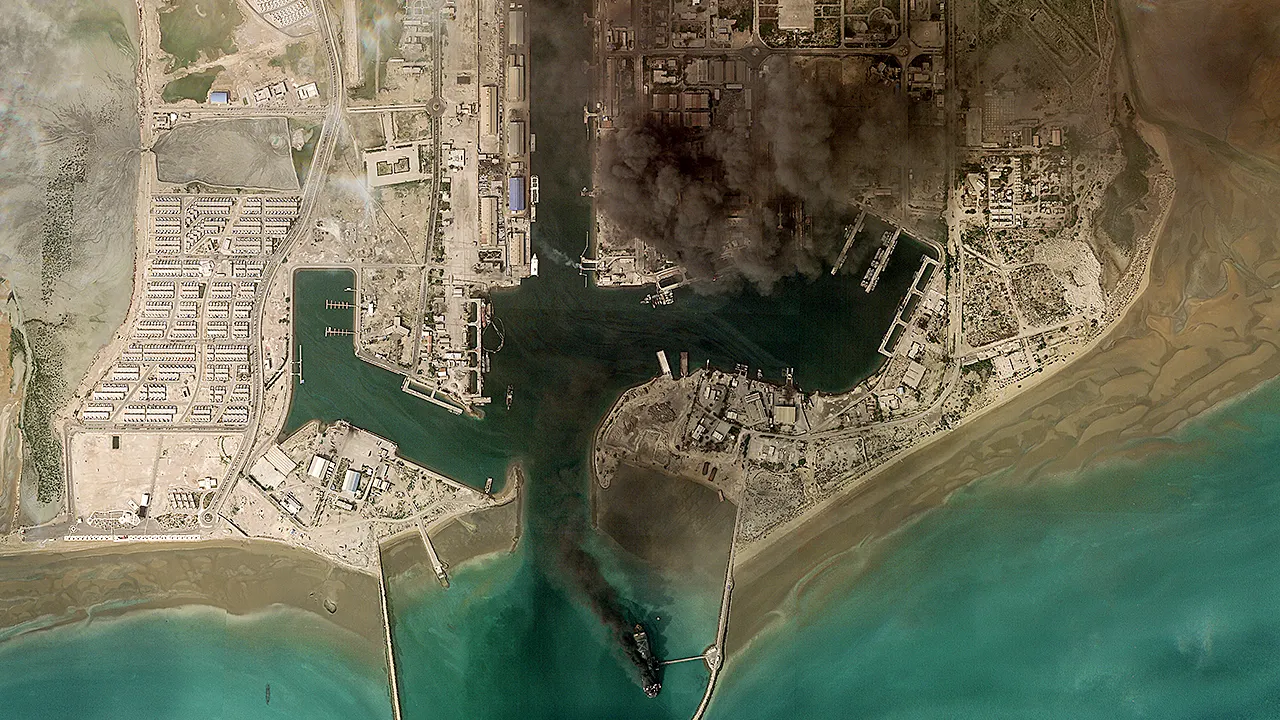
| Kuwait | High: Drone strike on U.S. operations center in civilian port, killing six soldiers and causing structural damage. | High: Iran acknowledged retaliatory strikes on U.S. assets; direct claims made. |
| Israel | High: Missile and drone barrages on military and urban targets, resulting in casualties and infrastructure hits. | High: Iran has publicly claimed some retaliatory actions against Israel. |
| Qatar | Medium: Attacks on U.S. bases and energy sites, with fires and operational disruptions. | Medium: Mixed reports; arrests of Mossad agents suggest alternative perpetrators, though Iran targeted U.S. sites. |
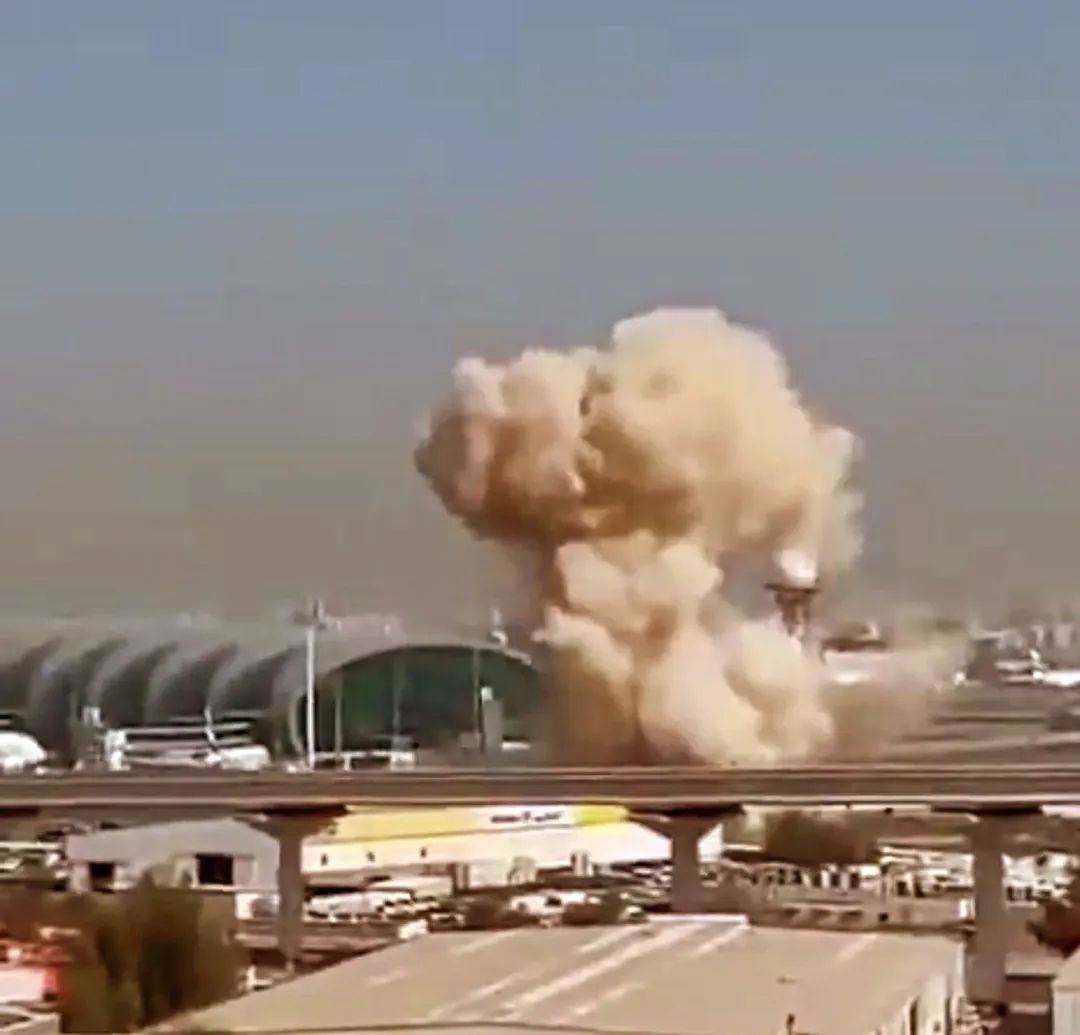
| United Arab Emirates | High: Explosions and drone strikes near skyscrapers in Dubai, including Dubai Marina tower and Burj Al Arab; damage to airports, hotels, and urban centers; casualties and evacuations reported. | Low: Iran denies involvement; potential false-flag operations amid warnings to Gulf states; questions arise from friendly populations. |
| Cyprus | Medium: Drone strikes on UK military bases like RAF Akrotiri, causing minor damage to hangars and prompting evacuations; no major casualties but heightened tensions. | Low: Attributed to Iran or proxies like Hezbollah, but Iran rejects claims; strikes on European territory raise doubts of deliberate targeting amid broader misattributions. |
This table underscores the inconsistencies: While Iran has admitted to some strikes on U.S. and Israeli targets in retaliation for the February 28 airstrikes that killed Supreme Leader Ali Khamenei, many Gulf and peripheral incidents carry low certainty, fueled by denials and false-flag allegations. Leftist-peace sources like The Grayzone further elaborate on this, revealing how manipulated plots—such as FBI-orchestrated assassination attempts tied to Iran—have been used to justify the war, echoing past deceptions to provoke U.S. involvement. The inclusion of areas like Dubai and Cyprus highlights how the conflict’s expansion defies logic if solely blamed on Iran, especially given prior warnings to these nations that suggest provocative setups rather than unprovoked aggression.
Ultimately, the rush to pin all regional turmoil on Iran ignores these complexities, serving an agenda of regime change rather than truth-seeking. By incorporating diverse, critical voices and scrutinizing the evidence, we can resist the propaganda machine and advocate for de-escalation in a conflict that’s already claimed too many lives.
I want to finish with a hope that history never stops the noticing. And never forget the Trump Administration admits they went to war because Israel said they were going to do it – and drag the US into it anyway. As comedian Tim Dillon said, paraphrasing: “Israel is funded by our money but still ordering us to go fight their war with more of our money.”
 EN
EN  FR
FR