

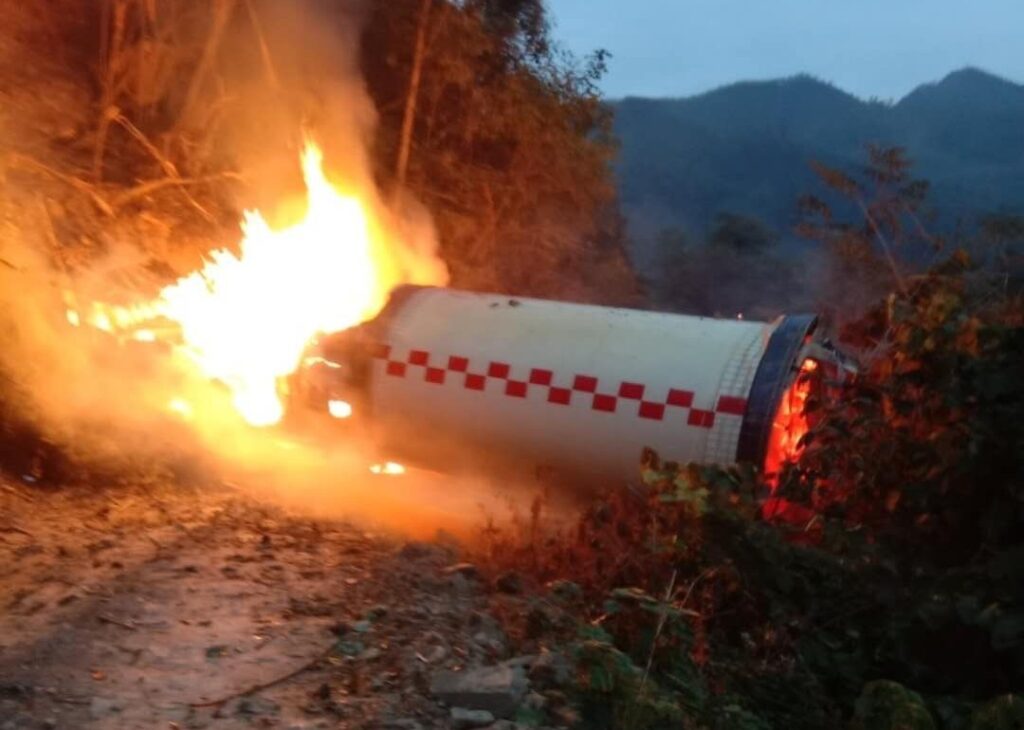
China’s People’s Liberation Army Rocket Force (PLARF) operates one of the world’s largest and fastest-growing missile arsenals, with regular test launches across remote inland ranges. Inner Mongolia Autonomous Region is a primary testing ground for ballistic missiles, including DF-series ICBMs and hypersonic weapons. These tests are conducted with high secrecy, and unlike civilian space launches (which often produce visible debris videos), military incidents rarely reach the public. When debris does fall outside designated zones, reports are usually suppressed or limited to local social media clips that quickly disappear.
The Chengdu J-20, often hyped on social media as China’s premier “5th-generation” stealth fighter and a supposed rival to the F-22 or F-35, has faced persistent technical shortcomings that undermine the grandiose claims. One of the most glaring issues has been its engine reliability. Early models relied on Russian AL-31F engines, which were underpowered for true stealth supercruise and not optimized for low-observable operations. Domestic alternatives like the WS-15 have suffered repeated delays, with reports of instability, overheating turbine blades, and failure to meet reliability targets during hundreds of test hours—leading to the engine being absent from key displays like the 2018 Zhuhai air show after failing tests. Even recent analyses suggest Chinese engines have far shorter lifespans (potentially a quarter of Western equivalents), higher maintenance demands, and durability problems that limit operational readiness and sustained high-performance flight.
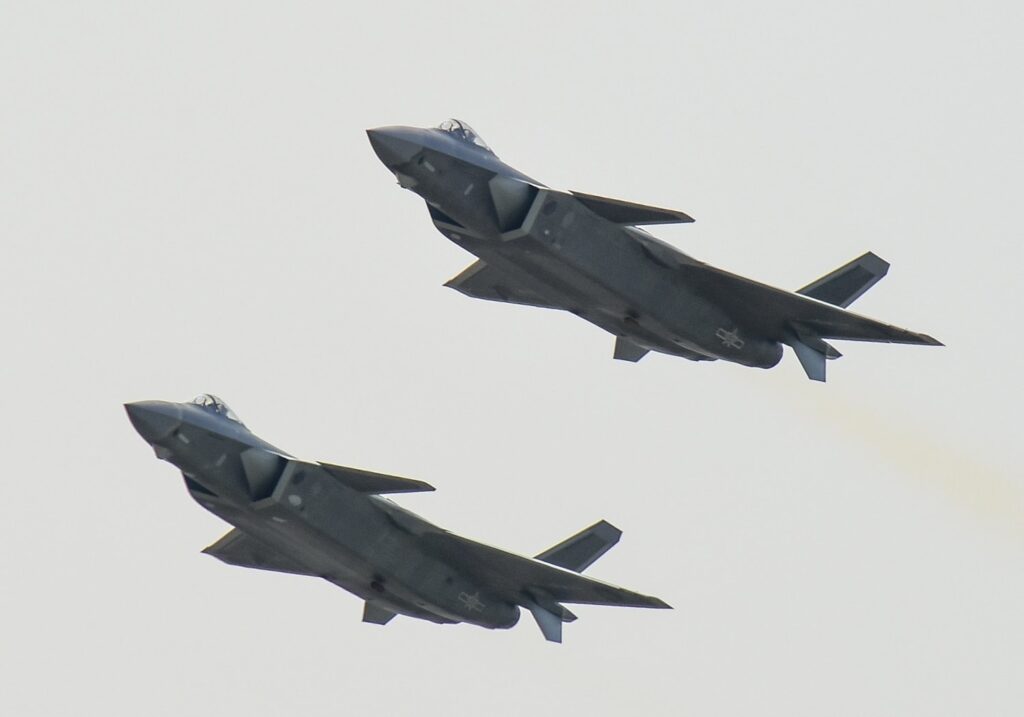
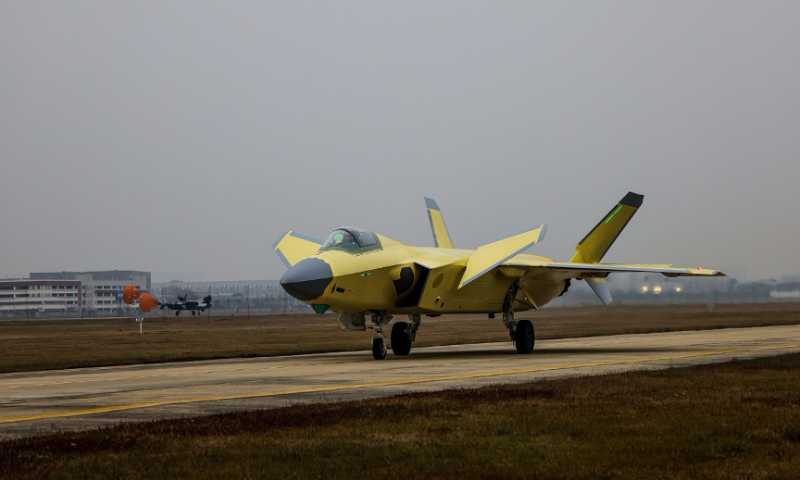
Stealth performance has also drawn heavy criticism, despite the “Mighty Dragon” label. The aircraft’s design includes canards (forward control surfaces) that compromise frontal radar cross-section, exposed engine nozzles that reflect radar signals, and visible manufacturing flaws like screws and rivets on the airframe in some photos. The radar-absorbent coatings are reportedly vulnerable to rain, humidity, and general wear, reducing effectiveness in real-world conditions. Critics argue these elements make the J-20 less stealthy than advertised, with a larger signature than true 5th-gen peers—leading some to call it more of a “patchwork” compromise than a fully realized stealth platform.
Recent online claims (circulating heavily in the last few days, around March 20-22, 2026) describe exactly that scenario: a J-20 test flight exploding just 2 minutes after takeoff in front of Xi (or via video he watched), killing a female pilot gruesomely, leading to outrage, an investigation revealing hundreds of prior engine explosion incidents, and the immediate on-the-spot execution or arrest of designer Yang Wei. These stories appear primarily on YouTube channels, exile-linked sites like Global Defense Corp, and related social media/X posts, often tied to broader narratives of PLA purges, weapon failures in proxy conflicts (Iran, Pakistan, Venezuela), and Xi’s supposed fury over being misled about the J-20’s capabilities.
Inner Mongolia as a High-Risk Test Zone
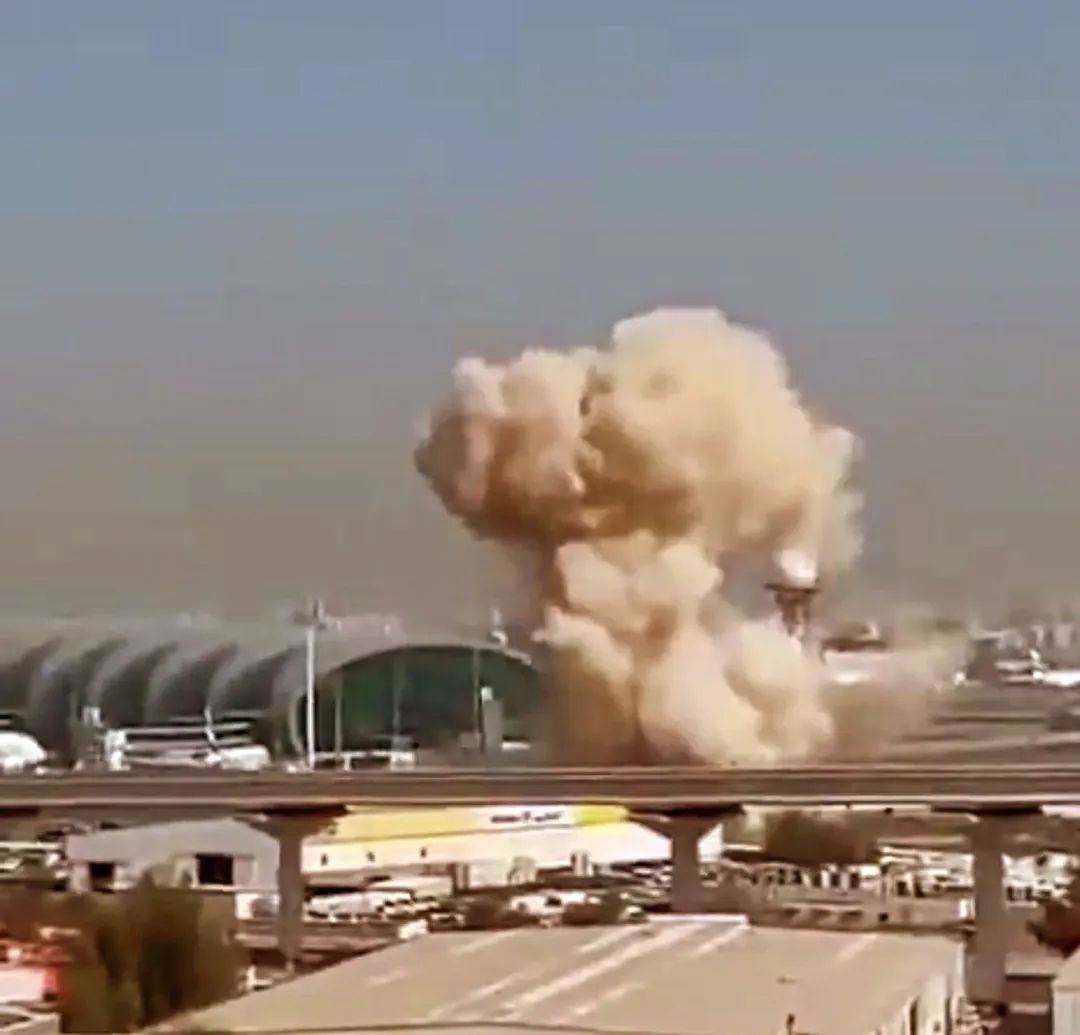
Inner Mongolia hosts multiple PLARF training and test facilities, including areas near the Mongolian border where new ICBM silo fields have been rapidly expanded (over 100 DF-31 missiles reportedly loaded by late 2025, per U.S. assessments). In July 2024, Taiwan’s defense ministry publicly tracked “multiple waves” of missile tests in the region, putting its own forces on alert due to the proximity and potential for stray debris. Because these ranges are inland and sometimes overlap with grazing lands or small settlements, the risk of uncontrolled booster or casing fallout remains real — though far less documented than space-rocket drops.
Social media in China has occasionally circulated unverified claims of military debris striking civilian infrastructure in Inner Mongolia, including rumors of a basketball court being destroyed by falling debris during a test. No official confirmation, photos, or mainstream reporting has ever surfaced for that specific incident (searches across Chinese and international sources turn up zero verified cases). This pattern is typical: locals may film or complain briefly on Douyin or Weibo, but authorities quickly issue notices against sharing “sensitive” footage, and the stories fade.
Recent “Missile Casing” Falls Filmed by Locals
Public videos of large cylindrical “missile casings” or booster sections plummeting and filmed by villagers are far more common from civilian Long March launches (which use similar technology to some military rockets). True classified PLARF test debris incidents are almost never captured openly — the military uses restricted drop zones and rapid recovery teams.
The closest recent public examples (often mislabeled as “military” in viral posts) come from space-program boosters that share hypergolic propellants with older military designs:
- 2024–2025 drops in nearby regions (Guizhou, Tibet, Qinghai) showed flaming casings, explosions, and toxic orange-yellow smoke plumes exactly like those in military-range accidents.
- No confirmed 2025–2026 video exists of a pure military missile casing falling near Inner Mongolia and being filmed by locals; any such footage would almost certainly be censored immediately under national security rules.
China’s military maintains that all tests stay within safe zones and that debris is recovered swiftly. Yet the same design philosophy that causes frequent space-rocket debris problems (uncontrolled first-stage fallout over land) applies to many older PLARF systems. Newer solid-fuel missiles reduce some risks, but the sheer volume of tests (hundreds annually) keeps the ground-level hazard alive in remote areas.
The lack of transparency is the bigger issue. Unlike NASA or SpaceX, which publish re-entry predictions and safety data, China’s PLARF treats almost every test as a state secret. This makes independent verification impossible and leaves villagers in test-proximate areas with little warning or recourse when something goes wrong.
Rapid military expansion brings real capability gains, but the combination of inland testing, older hypergolic tech, and strict information control means the true frequency and impact of ground debris accidents may never be fully known. Safety for people living near these ranges deserves the same scrutiny as the space program’s visible failures.

 EN
EN  FR
FR