



Products marketed under names such as WaterLight and HydraCell (or Hydrocell Cube) claim to generate light and electricity simply by adding salt water or seawater. Crowdfunding campaigns raised substantial sums with promises of delivery by 2020. Influencers with large followings described the devices as revolutionary: free power from the ocean, runtimes of weeks or months, ideal for remote fishing villages, children’s homework, phone charging, and eco-friendly living. Some versions invoked indigenous ancestral ties to the sea.
Philip E. Mason (Thunderf00t), a British chemist who has examined energy claims for years, identifies the devices for what they are.
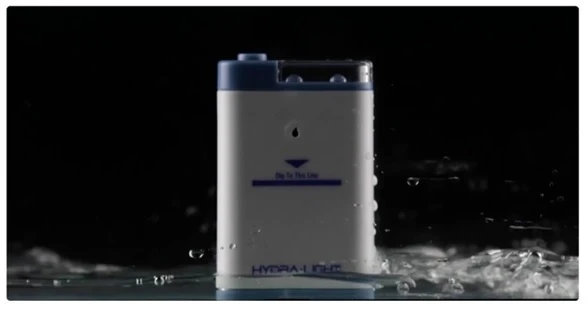
They are ordinary primary (non-rechargeable) batteries. The energy is stored in reactive metal electrodes, typically magnesium or aluminum. Salt water serves only as the electrolyte—the conductive medium that allows ions to move so the chemical reaction can proceed. Remove the electrolyte and the reaction stops, exactly as a car stops if you remove the tires. That does not mean the car is “powered by rubber.” The metal slowly dissolves into a slurry that must be discarded. The process is the same basic electrochemistry demonstrated by Alessandro Volta in 1800.
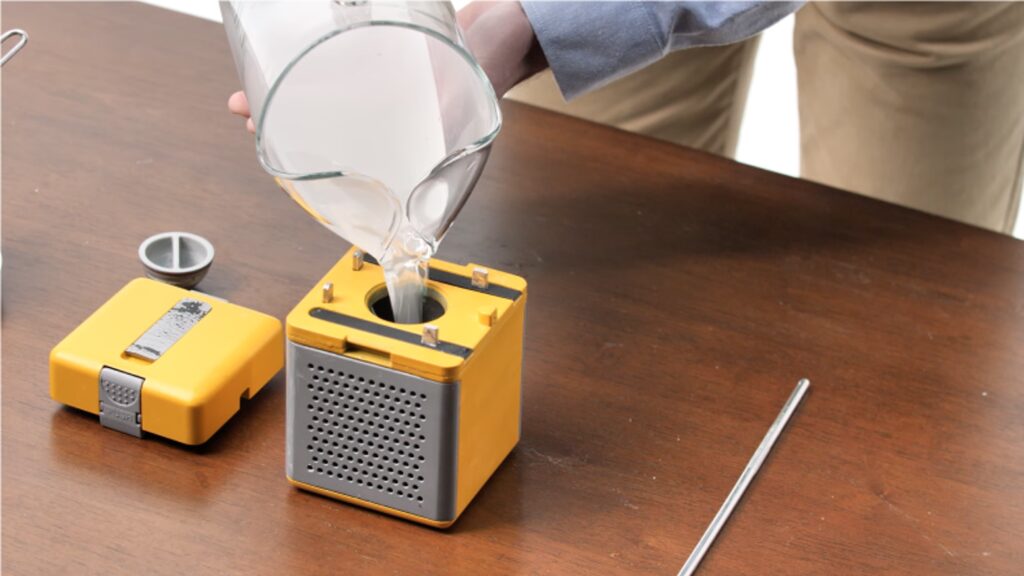
Marketing language carefully avoids the word “battery.” Instead it speaks of “ionization of an electrolyte,” “electronic circuits that manage ion transfer,” or “extracting 500 watts per liter of water.” Power (watts) without duration or total energy capacity is meaningless. A figure of 500 W per liter sounds impressive until one realises it says nothing about how long that power can be sustained. Actual energy density is far lower than modern lithium-ion cells. A conventional power bank of similar size stores more energy, weighs less, requires no messy electrolyte changes, and is rechargeable.
Claims of long runtime with “two cups of salt water” or “occasional rinsing” simply reflect the amount of reactive metal provided. Once the metal is consumed, the device is finished. The salt water itself contributes no net energy. Descriptions of the technology as “100 % recyclable,” “powered by the sea,” or uniquely suited to off-grid communities therefore rest on selective wording rather than physics.

Earlier versions of the same concept appeared years before the more recent crowdfunding rounds. Delivery complaints and refund demands were common. The underlying electrochemistry has not changed. What has changed is the packaging and the volume of promotional content that presents a two-century-old battery as a breakthrough activated by seawater.