
China’s automotive industry wants to be recognized as a world leader. Huawei’s Maextro V800 has become an awkward demonstration of what can go wrong when an expensive vehicle’s marketing outruns public confidence in its engineering — and why finding out what went wrong can become a story of its own.
There is a lot to admire about the ambition of China’s electric-car industry. The vehicles are increasingly sophisticated, the competition is fierce, and manufacturers are determined to challenge established Japanese, European and American brands at every price point.
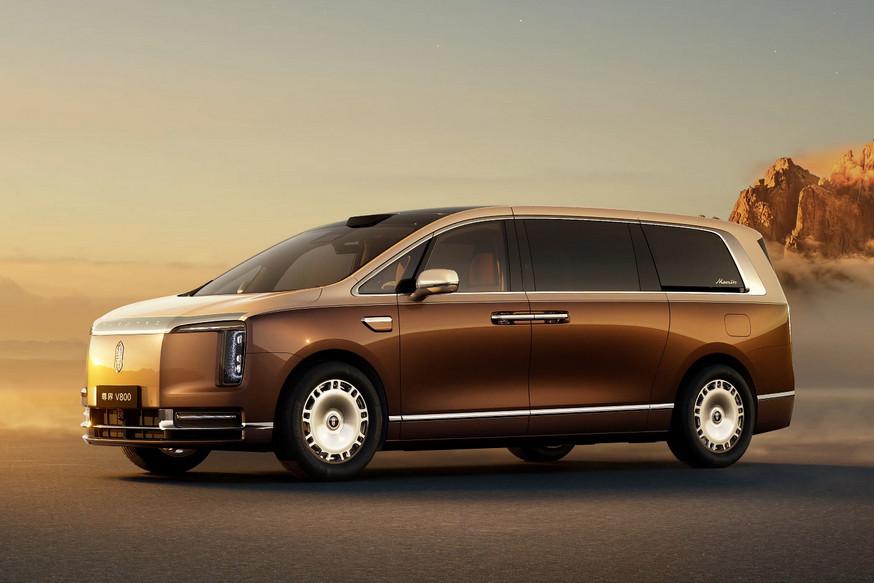
Then you encounter a vehicle like Huawei’s Maextro V800, a luxury multipurpose vehicle developed by Huawei and JAC, with a top price of 1.016 million yuan — around US$150,000.
It has enormous screens, elaborate lighting, massaging seats, a projection system, sophisticated electronic features and a built-in coffee machine. The car is presented as a technological showcase, the sort of thing that tells prospective customers China has arrived at the top of the automotive industry.
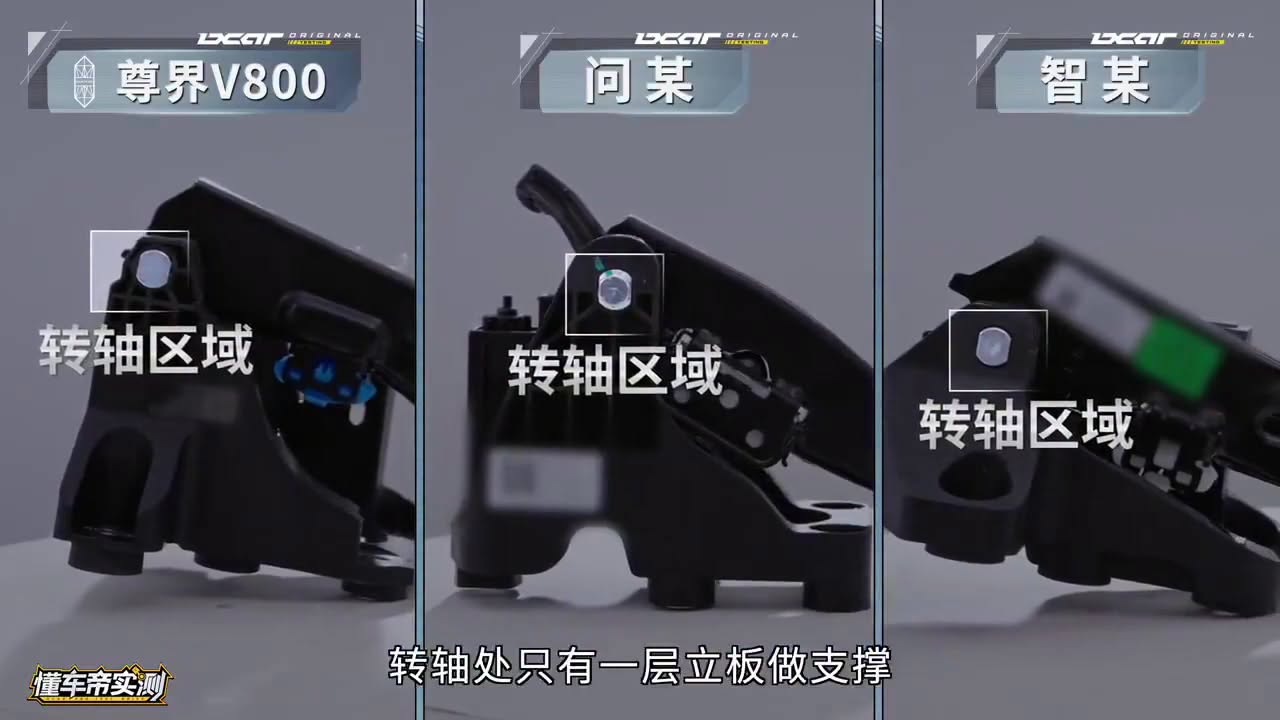
On October 8, 2026, Chinese automotive platform Dongchedi published footage showing the brake-pedal brackets of three new Maextro V800 vehicles breaking during emergency-braking tests from 100 km/h. All three suffered a failure at the bracket. The incident was reported by Chinese publications including The Paper and subsequently by Reuters.
The car that was supposed to demonstrate China’s technological prowess had developed a very basic problem: the mechanism used by a driver’s foot to apply the brakes was failing under testing.
Three cars, the same broken component
The details are what make this incident so troubling.
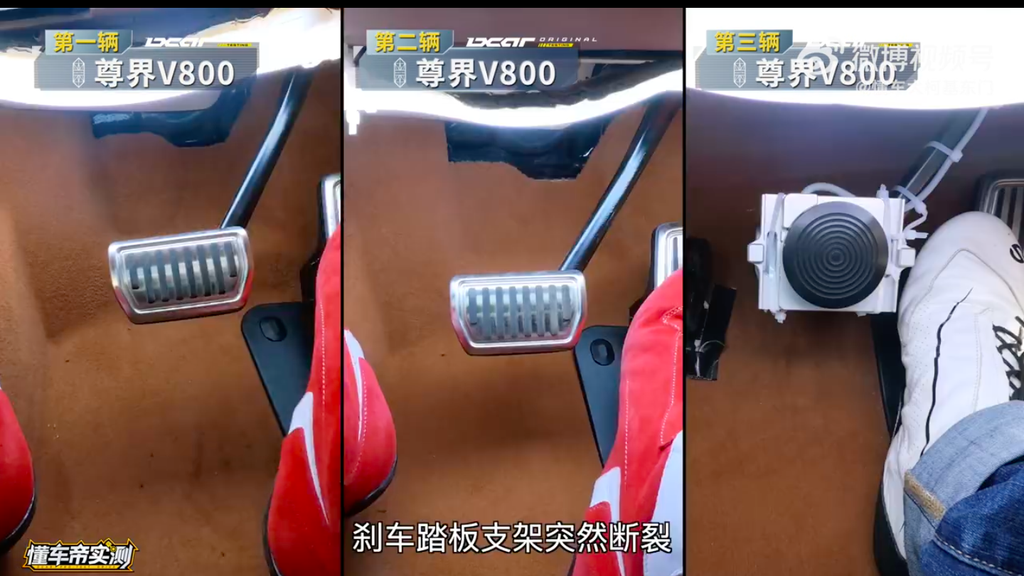
Dongchedi reported that the first vehicle’s brake-pedal bracket fractured during its third full-force braking attempt. A second car suffered the same failure during its fourth attempt. The third was another newly purchased vehicle, with only around three kilometres on the odometer, and its bracket broke during its second attempt.
These were three separate vehicles, and the reported failures occurred at the same fundamental component.
A brake-pedal bracket isn’t some experimental autonomous-driving feature. It is a conventional mechanical component that needs to tolerate the forces applied when a driver brakes hard. Engineers have been designing and validating brake-pedal assemblies for generations.
The test footage therefore raises an obvious question: how did this design get into a production vehicle costing more than US$100,000?
The manufacturer’s initial response was that the braking system had been developed and validated against standards exceeding the applicable national and industry requirements. Huawei’s Maextro V800 PR team also said that no comparable bracket failures had occurred during customer use since deliveries began.
Nevertheless, the company announced that it would optimise the component’s design and offer existing owners a free upgrade. It also promised to review the component’s design validation, testing limits and production quality management.
That is an important response, and it deserves to be recorded accurately. A promise to upgrade a component does not, by itself, establish that the original design was dangerously defective in ordinary driving. Manufacturers routinely improve parts and introduce additional safety margins.
But when the same component fails on three vehicles during a controlled test, the engineering questions become difficult to avoid.
Was the component designed with sufficient strength? Were the loads used during development adequate? Did the manufacturer’s validation process expose the weakness? And if the design was compliant with the applicable standards, do those standards adequately address the failure observed?
The last question matters as much as the others. Compliance with a test standard is evidence about the tests performed; it does not automatically settle every question about a product’s safety under other conditions.
The company subsequently reported further testing conducted on October 11 by an accredited third-party laboratory. According to Chinese media reports, 14 brake-pedal assemblies passed the relevant static test at 1,500 newtons and additional testing at higher loads, including 3,000 newtons.
That evidence needs to be considered, too. The reported laboratory results concern tested components under specified loading conditions, while Dongchedi’s footage concerned repeated emergency braking in complete vehicles. The difference between those procedures needs to be explained by the ongoing investigation before anyone can draw a definitive technical conclusion.
As of October 23, the Chinese authorities’ joint investigation had not published a final public finding establishing the cause of the failures.
A national champion with a reputation to protect
Huawei is an especially interesting company to find at the centre of this controversy.
Over the past decade, Huawei has become one of the most recognisable symbols of China’s ambitions in advanced technology. Its telecommunications equipment, smartphones and connected devices have made it a prominent name in the country’s push for greater technological independence.
Its automotive partnerships extend that ambition into another industry where China wants to compete globally.
The Maextro brand, developed with JAC, occupies the premium end of Huawei’s Harmony Intelligent Mobility Alliance ecosystem. The V800 is supposed to demonstrate what that combination can achieve.
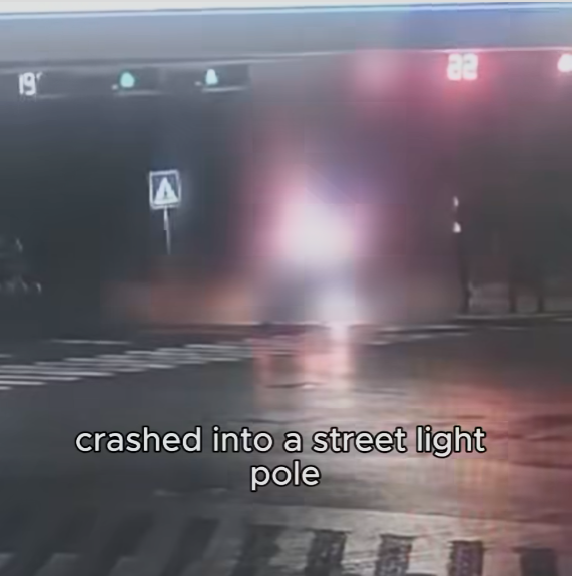
Another incident from a Huawei EV (Aito M9), occurred at an intersection and the driver was killed as he had less than an instant before the EV caught fire. see video The official report from Aito said the driver data proves he was doing 139km/h and the impact was normal. Netizens analyzed the footage and showed driver was slowing down to 70km/h and braking. Others went to the scene and showed the pole that was struck barely had any damage. The government actually placed visual barriers around the pole after so many influencers made memes from this event…

In China, such products carry significance beyond their equipment and price tags. Domestic technology brands are frequently presented as evidence that the country can compete with established international companies on its own terms. Huawei, in particular, has acquired a prominent place in patriotic narratives surrounding Chinese technological achievement.
That atmosphere creates pressure when something goes wrong. A defect in a car becomes a challenge to the image attached to the brand, and criticism can be received as an attack on a much larger national achievement.
The response to the V800 test illustrates this dynamic. The discussion spread widely across Chinese social media, and the incident attracted enough attention to affect JAC’s stock price. China’s state-run People’s Daily also commented on the controversy, stressing the importance of vehicle safety and stronger oversight of the rapidly developing electric-car industry. The South China Morning Post reported on the public reaction and the regulatory response.
A company can benefit enormously from the prestige attached to being a national technology champion. The public should therefore expect particularly serious scrutiny when the product fails at something as elementary as braking.
Huawei is not itself a state-owned automaker, and the relationship between Chinese companies and the government is more complicated than simply describing every company as a government department. China’s industrial policy, its support for strategic technologies, state-media narratives and the commercial ambitions of domestic brands nevertheless overlap in ways that can make criticism politically charged.
That makes independent scrutiny especially important. Consumers need to be able to examine a product’s weaknesses without every discussion becoming a loyalty test.
The video disappeared. The questions remained.
The brake failures were embarrassing enough. The subsequent circulation of the footage raised another problem.
Chinese media reported that the original Dongchedi test video became unavailable on several platforms the following day. Some pages displayed notices indicating that the content had been removed or could no longer be played. The incident was covered by Chinese outlets, and BBC Chinese reported on the video removals and the resulting controversy.
The available reporting does not establish who initiated every removal, whether the videos were voluntarily withdrawn, or whether a specific government instruction was responsible. Those distinctions matter. Claims that Huawei deliberately blocked every negative report, or that the government personally ordered each deletion, require evidence beyond the disappearance of a video.
What can be established is that footage documenting an important safety controversy became harder to access on multiple platforms, just as the public was trying to understand what had happened.
That is a terrible situation for consumers. The original test is precisely the kind of evidence people should be able to revisit while the manufacturer, the testing organisation and regulators debate the results.
A short statement from a company cannot substitute for access to the underlying footage, the test methodology, independent technical analysis and the eventual findings of an investigation.
There were also claims circulating online that the video could not be opened on Huawei phones running HarmonyOS even when it could be viewed on other devices. That specific allegation has not been independently established, so it should not be repeated as proven fact.
The broader problem requires no such speculation. Multiple reports documented the loss of access to the test video. That alone raises questions about how easily the public can follow a safety controversy when content becomes unavailable before the technical dispute has been resolved.
And the timing is particularly unfortunate for a brand that has benefited from an image of technological sophistication and national achievement.
On October 15, China’s Ministry of Industry and Information Technology announced that it had formed a joint investigation group with the Cyberspace Administration of China and the State Administration for Market Regulation. The authorities said they would investigate the reports and publish information as appropriate.
The involvement of the internet regulator is notable given the debate over online content, although it does not prove that the regulator ordered the videos removed. The investigation must establish the facts surrounding the vehicle, while the circumstances of the online removals require their own evidence.
The public should be able to follow both.
How do you measure reliability when the record is incomplete?
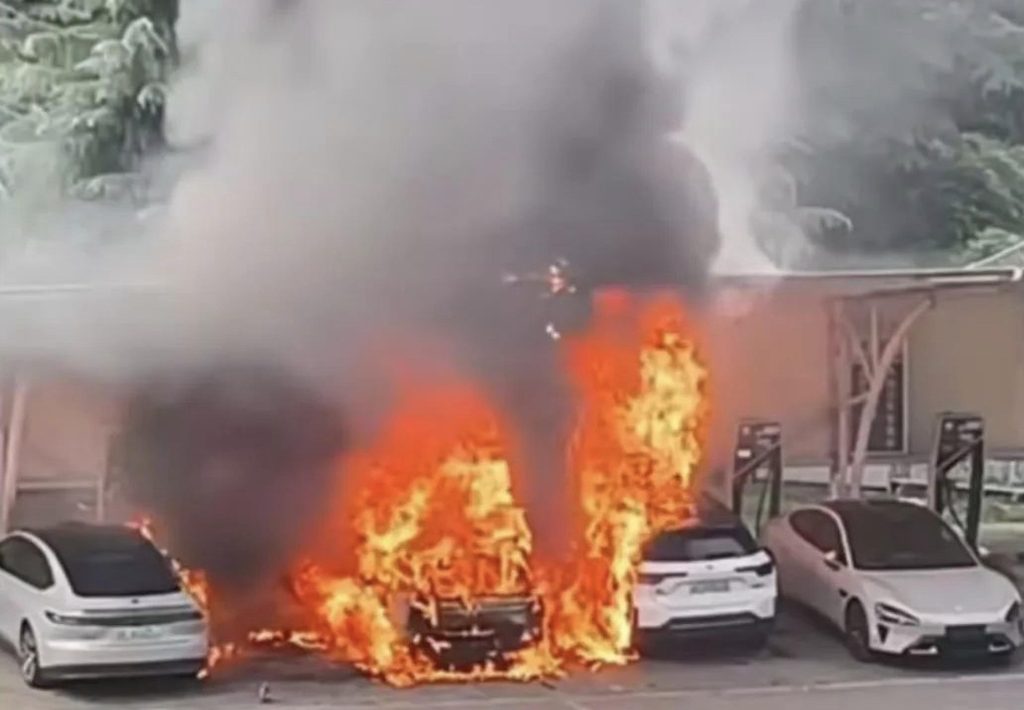
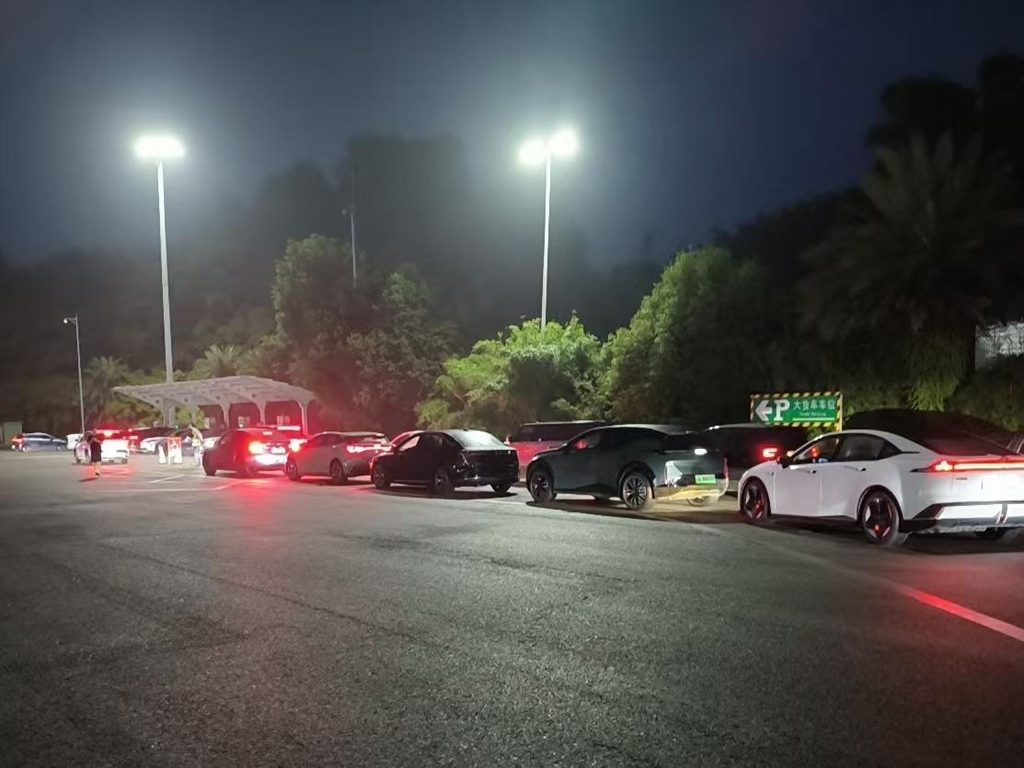
The original video goes beyond Huawei’s Maextro V800. It includes footage of Chinese electric vehicles catching fire, a vehicle in Malaysia reportedly suffering a serious rear-axle failure, wheels detaching in a collision, and drivers facing lengthy waits at charging stations.
Taken together, the clips create an alarming picture. They also illustrate a problem with the way automotive failures are discussed online.
A video of a burning car proves that a vehicle burned. It does not, by itself, establish why it caught fire or how frequently the same problem occurs. An axle failure is serious, but identifying the model, examining the component and establishing the cause are essential before attributing the failure to a design or manufacturing defect.
Those details are not excuses for ignoring the incidents. They are what turn an alarming clip into useful evidence.
The same applies to the V800. Three similar failures under testing are a serious finding about the tested vehicles, and they justify a proper investigation. They cannot tell us, on their own, how frequently all Chinese electric vehicles fail or whether the average Chinese EV is less reliable than a comparable Japanese or European model.
That broader question requires long-term reliability surveys, warranty-claim data, recall records, independent testing and comparable incident rates relative to the number of vehicles on the road.
The difficulty is that those measures are only useful if the information is accessible and sufficiently complete.
China’s EV industry has expanded quickly, and many new brands and models have little long-term ownership history. A vehicle that has been on sale for months cannot have the ten-year repair record of a model that has been sold for a decade. Even an extensive collection of owner reviews may miss defects that emerge only after years of use.
The information problem becomes more serious when independent reporting is restricted or when test videos and critical discussions disappear. A manufacturer can publish specifications and promotional material every day, while evidence of failures may be harder to find and verify.
That is how a product can acquire a more reassuring public image than the available evidence justifies.
It does not automatically mean that every missing report conceals a defect, nor does it establish a higher failure rate for all Chinese vehicles. It means that buyers cannot reasonably treat the absence of easily discoverable complaints as a reliable measure of quality when the reporting environment itself is in question.
This is the heart of the underreporting concern. The issue is the completeness of the record used to make a purchasing decision.
The coffee machine was never the difficult part
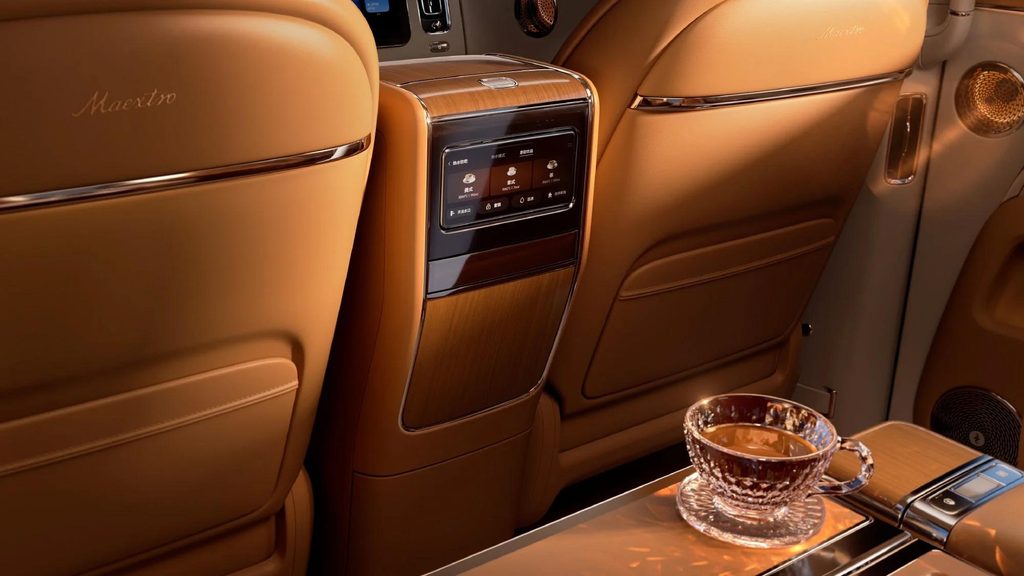
Huawei’s Maextro V800 is packed with expensive technology. Its coffee maker, projection system, screens, sound equipment and connected features make for excellent showroom demonstrations.
None of those features tells a prospective owner how well the brake-pedal assembly has been designed, how the vehicle will withstand years of use, or how the manufacturer will respond when a defect is identified.
The V800 incident is particularly damaging because the problem was so basic. Dongchedi reported three failures in three vehicles. Maextro disputed the implication that its braking system was inadequate in ordinary use, arranged further testing, promised an upgraded component, and became the subject of a government investigation. The additional laboratory results complicate the technical picture, and the investigation’s final conclusions remain necessary.
The online controversy has also shown how quickly access to crucial evidence can become part of the story.
None of this settles the reliability of China’s entire EV industry. It does demonstrate why consumers should be cautious about treating impressive launches, national technological prestige or polished promotional videos as evidence of long-term engineering quality.
Chinese manufacturers have produced genuinely competitive electric vehicles, and the market contains substantial differences between brands and models. Those differences need to be established through testing and years of ownership evidence, with failures investigated publicly and remedies communicated clearly.
Huawei’s automotive ambitions make this episode more consequential. A brand that has become a symbol of China’s technological rise has to withstand the same scrutiny as every other manufacturer. Its reputation should be strengthened by transparent investigations and convincing engineering, rather than protected by the difficulty of finding unfavourable information.
For prospective buyers, the practical questions remain simple. Is the vehicle supported by independent reliability data? Can its safety claims be verified? Are recalls and technical problems publicly documented? Can owners obtain repairs and replacement parts? Does the manufacturer take responsibility when something goes wrong?
The V800’s future reputation will depend on the answers.
A coffee machine is easy to demonstrate. Reliable braking requires engineering, testing and evidence. A company charging more than US$100,000 for a vehicle should be able to provide all three.
And the public should not have to hunt across disappearing videos to find out whether it has.