
Imagine starting life with the difficulty setting already on Nightmare. No tutorial, no extra lives, questionable equipment and absolutely no option to skip the first 18 years. Welcome to China, where Chinese children can encounter dubious baby products before they can walk, wake up at 5 a.m. before they can read, and spend their teenage years preparing for an examination that determines the rest of their lives.
And you thought childhood was supposed to be fun.
First spawn: What exactly is in my diaper?
Being a baby should be easy. Eat, sleep, fill your diaper. Repeat.
Unfortunately, even the diaper part has become a topic of concern.
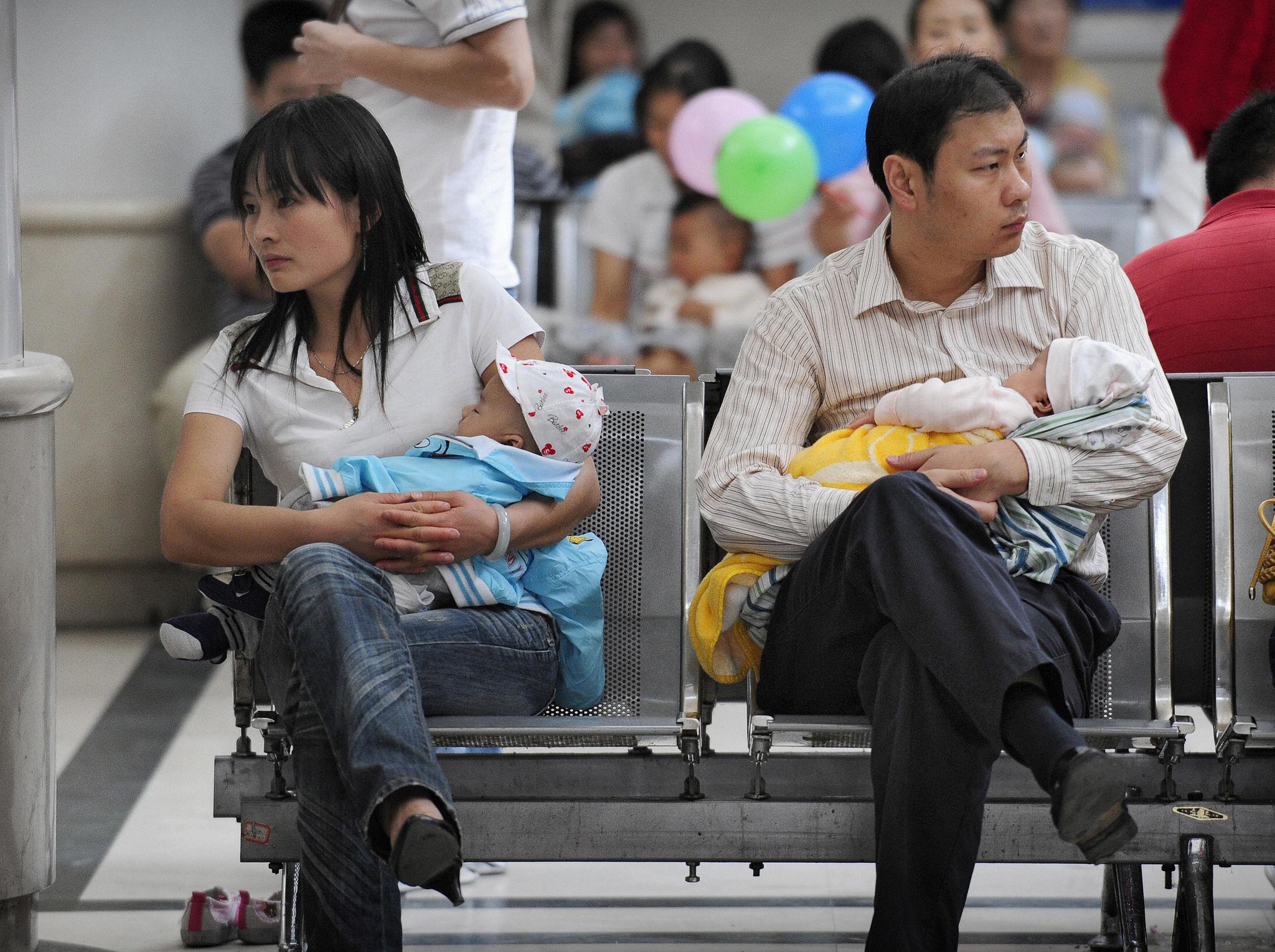
In June, Chinese media reported that tests of several popular diaper brands, including Huggies China, Beaba Baby and BabyCare, had detected formaldehyde. Parents had complained of recurring rashes and broken skin. Yet China’s national diaper standard doesn’t even require testing for the chemical.
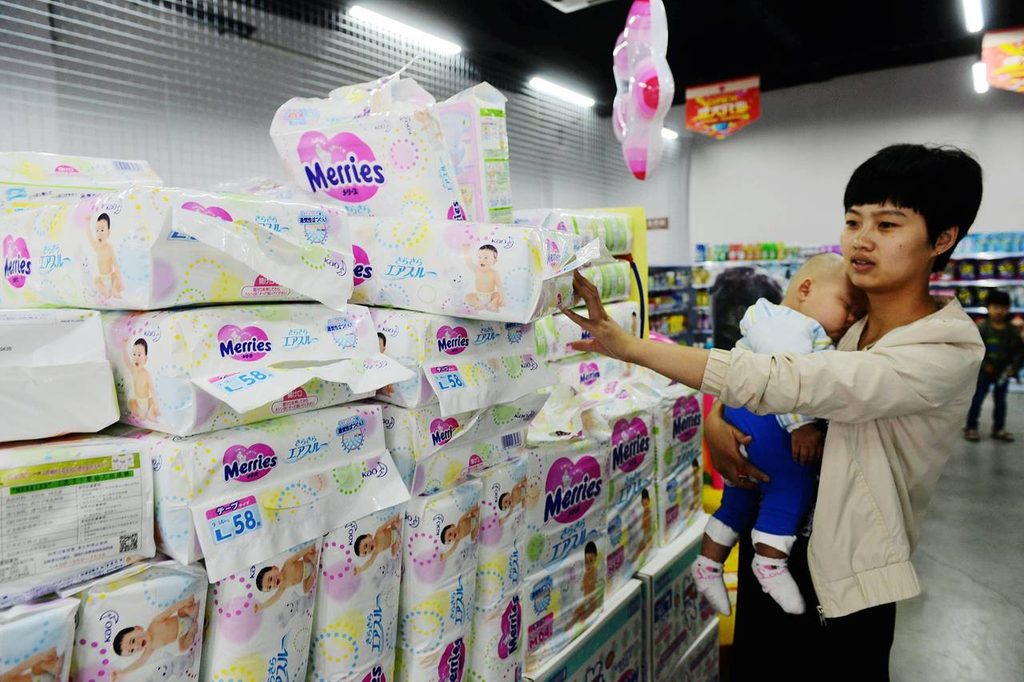
A parent subsequently commissioned independent laboratory tests, which reportedly detected formamide at 384 and 414 milligrams per kilogram. An expert initially associated with the reporting later withdrew their statement, allegedly after pressure from hospital management.
Four central government agencies launched an investigation and promised results promptly.
Four months later, parents were still waiting. On Weibo, the investigation’s progress bar becoming a permanent 0% became a joke.
One parent said they had stopped using diapers when the story broke. By the time the investigation finally produced an answer, their child had learned to use the toilet.
Congratulations! Your toddler has completed potty training before the government completed its paperwork.
On October 15, the investigation concluded that the laboratories had made serious mistakes, including missing control samples and deleted raw data. Their findings could not establish contamination. BabyCare thanked the authorities and reassured parents that its products were safe to use.
Perhaps they were. But four months of uncertainty and a withdrawn expert statement aren’t exactly confidence-building exercises.
And parents already had a reason to be nervous.
Baby food: +30 poison damage
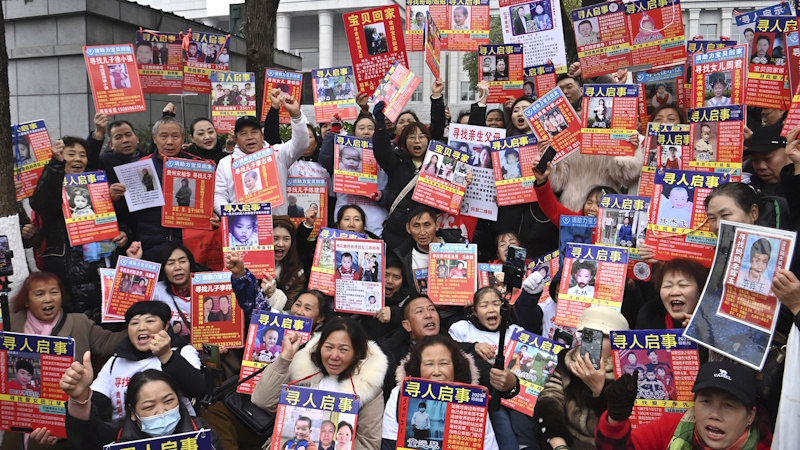
In 2008, China experienced one of its worst food safety scandals. Melamine was added to watered-down milk to make it appear richer in protein. Close to 300,000 children were reportedly affected, and six deaths were officially linked to the contaminated products.
Imagine preparing a bottle for your newborn and wondering whether the milk is going to nourish their kidneys or destroy them.
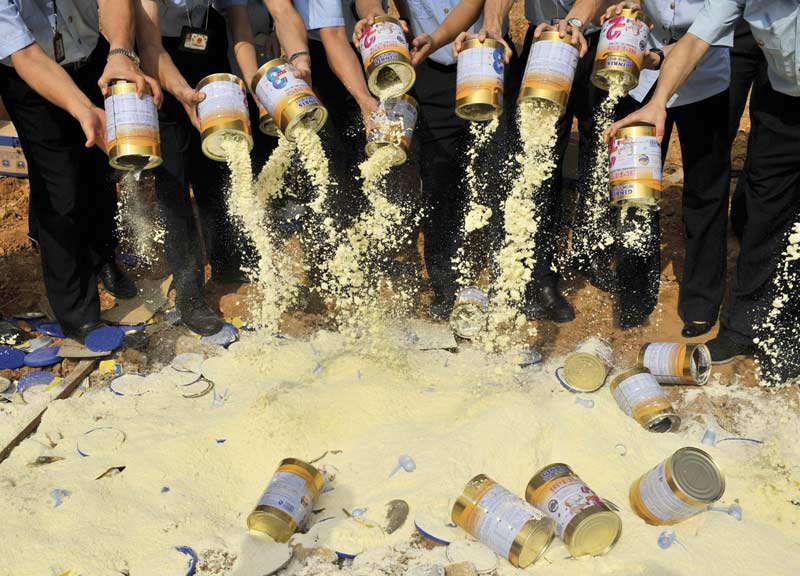
Twelve years later, another scandal emerged in Hunan. A shop sold an ordinary protein solid drink as specialised formula for children with milk allergies. It wasn’t infant formula or medically prescribed special formula. Regulators fined the shop two million yuan for misrepresenting the product.
Then came the 2018 vaccine scandals. Authorities discovered problems with production records at a rabies vaccine manufacturer, while an earlier scandal had involved substandard DPT vaccines, including doses given to infants.
For Chinese children, the first few years can involve an unusually complicated shopping list: check the milk, investigate the formula, research the diapers and perhaps independently verify the vaccines.
Being a parent shouldn’t require a laboratory degree.
Kindergarten: Today’s special is lead paint
You would expect kindergarten to be relatively safe. Toys, playgrounds, lunch and a nap. What’s so difficult?
In 2025, an investigation in Tianshui found that a kindergarten had used paint to colour food. Authorities reported abnormally high blood lead levels in 233 of the school’s 251 children. The investigation also uncovered failures in testing and oversight.
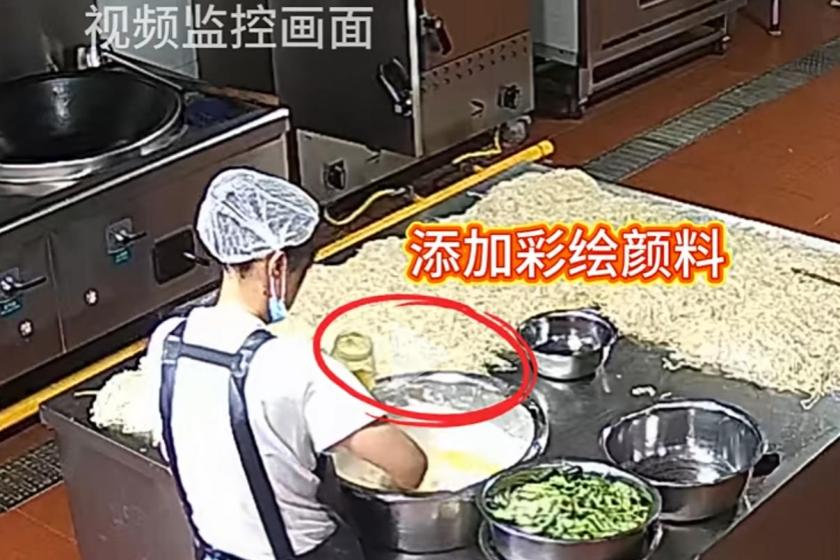
That’s quite a lunch menu.
Another controversy concerns pre-prepared meals served in schools. Since 2023, parents have questioned who makes these meals, what’s in them, how they’re stored and whether schools even tell families what their children are eating.
China’s Ministry of Education advised caution, citing the lack of unified standards, certification and traceability at the time.
Some parents responded by bringing homemade meals to school.
A perfectly reasonable reaction when the school cafeteria starts looking like an episode of Breaking Bad.
Education: Sleep is a paid DLC
Now we reach the real endurance test: school.
A clip from Wuhan shows students applauding at a school event while looking completely exhausted. Their teacher keeps encouraging them:
“Come on, smile! Smile!”
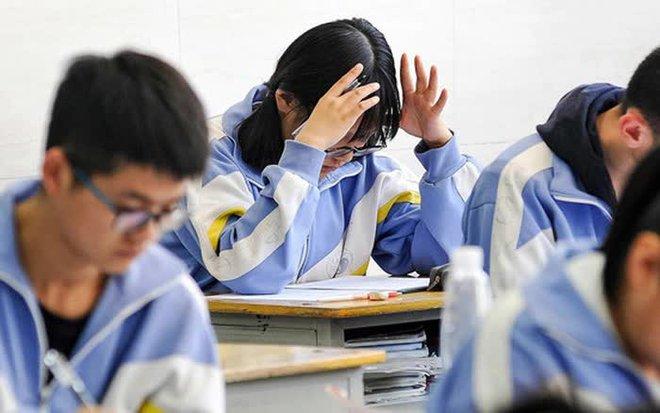
The students continue applauding with expressions suggesting they’d rather be anywhere else.
Perhaps the teacher should try offering them a nap first.
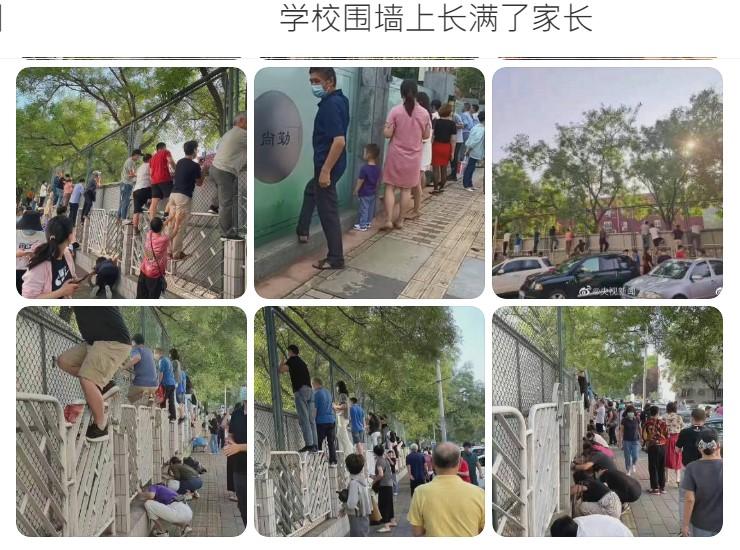
In Shandong, parents bring lunch to their children and eat with them through an iron fence. Online commenters called it visiting hours. Somewhere between prison architecture and parent-teacher meetings, China appears to have found a new school dining concept.
In Guangdong, a family reportedly tied a primary schooler’s feet to a chair to prevent the child from leaving before homework was finished. In Hebei, a kindergartner reportedly gets up at 5 a.m. to catch the school bus before sunrise.
Five in the morning. For kindergarten.
Most adults aren’t even functional at that hour. These kids haven’t learned multiplication yet.
And the pressure doesn’t end with homework. A video from Shijiazhuang, viewed 1.7 million times, showed a parent beating their daughter over having a phone and forcing her to slap herself.
At a sports day in Jiangsu, students marched behind a banner declaring that Taiwan would definitely belong to China. The most popular comment was that the children should get enough sleep first.
Honestly, that might be the most sensible contribution to the event.
Even dormitory life has its surprises. In Zhengzhou, students staying at school over a weekend faced a hair dryer fire. They grabbed the fire extinguisher, only to discover that it didn’t work.
Perhaps it was installed for decoration.
For many Chinese children, school becomes a continuous race through examinations, rankings and increasingly competitive admissions. Every test determines the next test, and the next school determines the next opportunity. Free time is apparently an optional extra.
University: Congratulations, you’re unemployed
After surviving childhood, passing the examinations and graduating from university, surely the reward is waiting.
Not necessarily.
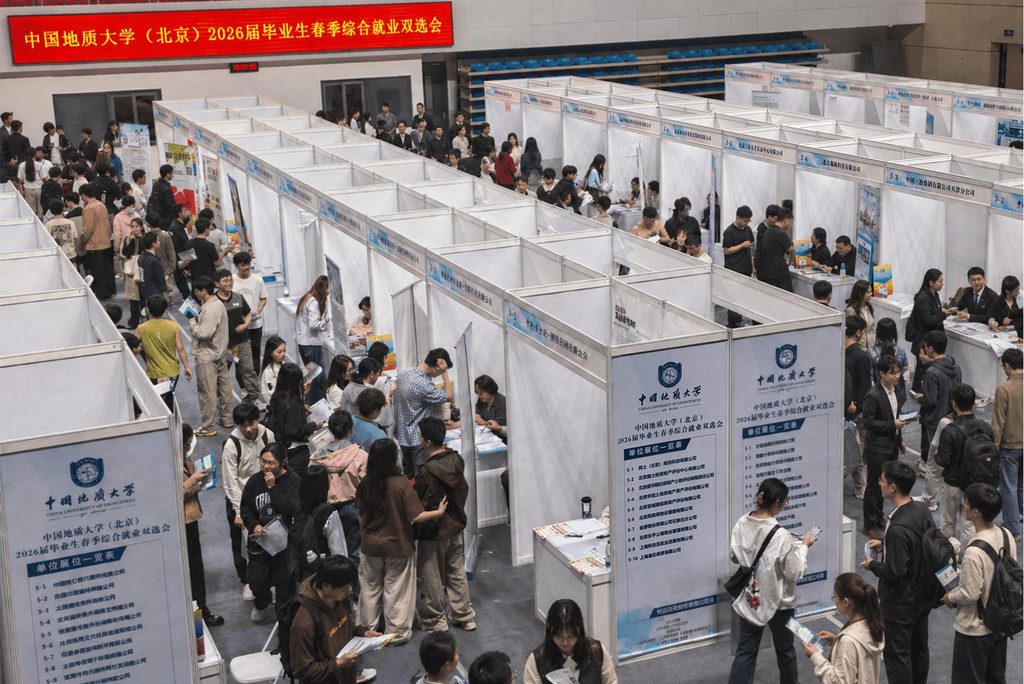
China is expected to produce a record 12.7 million university graduates in 2026, around 480,000 more than the previous year. Competition for jobs is fierce, with many graduates struggling to find employment.
One graduate posted that they finished university in May 2025 and still hadn’t found a job by October 2026. The replies were full of people reporting similar experiences. One said they had been unemployed since 2022.
Imagine spending years studying, sacrificing your weekends and passing every examination, only to unlock the next stage:
Achievement unlocked: No job available.
The degree is real. The job prospects are less convincing.
Childhood on Nightmare difficulty
The pattern is hard to miss. From the 2008 milk scandal to questionable baby products, vaccine failures, contaminated kindergarten food, exhausting school schedules and an increasingly competitive job market, parents face repeated reasons to question whether the systems responsible for their children’s welfare are doing their jobs.
Of course, not every Chinese family experiences these problems, and not every school or product is unsafe. But the individual stories paint a grim picture of the pressures surrounding Chinese children.
Parents want healthy babies, good schools and secure futures. Yet they can end up checking laboratory reports, delivering meals through fences, enforcing punishing study schedules and worrying about whether their graduate children will ever find work.
So here’s the character profile:
- Starting equipment: Questionable baby products
- Daily schedule: Wake up at 5 a.m.
- School bonus: Unlimited homework but low XP reward
- Health support: Toxic factory food (see my article on this topic)
- Emergency equipment: May or may not work when you most need it
- Final reward: A university degree and 12.7 million competitors.