
China’s online beauty culture has developed a particularly strange relationship with cosmetic surgery. What starts as an influencer aesthetic on Douyin or Xiaohongshu can quickly become a real-world procedure: reshaping the skull, stretching the eyes, injecting growth factors into the face, or even breaking bones to change body proportions.
Wonny’s recent videos document this bizarre collision between social-media beauty standards and increasingly extreme cosmetic procedures. Here are the 12 biggest China-focused plastic-surgery disasters and trends from his channel over the past year, ranked broadly by views.
1. China’s Deadly “Plastic Head” Obsession
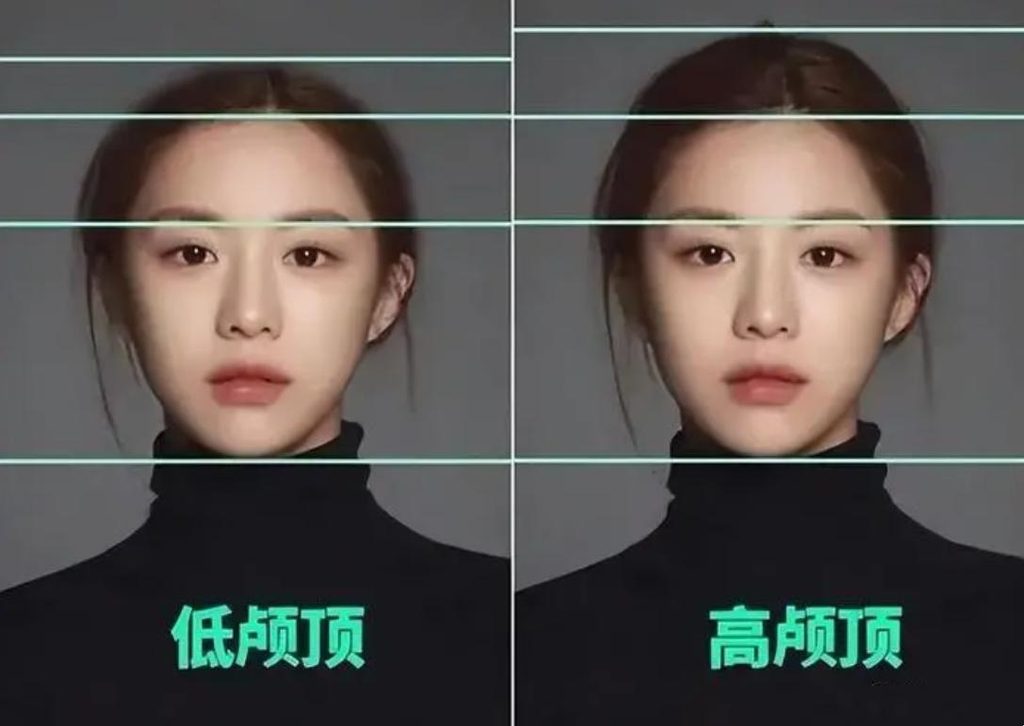
This may be the most absurd beauty trend in the entire series: people trying to make their heads taller.
The “high skull” aesthetic is based on the idea that a taller crown makes the face look smaller and more baby-like. The relatively harmless version involves hairstyles, hairpieces and volumizing products. The extreme version involves injecting huge quantities of hyaluronic acid beneath the scalp or surgically inserting implants.
Even more extreme procedures can involve PEEK implants, titanium plates, bone grafts and bone cement. Some procedures require an incision into the scalp and modification of the skull itself.
The strangest part is that the trend isn’t merely an internet joke. Reports from Chinese social media describe people suffering bald patches and other complications after attempting to create the desired shape.
The video: China’s Deadly “Plastic Head” Obsession
2. China’s Deadly “Bubble Face” Disaster
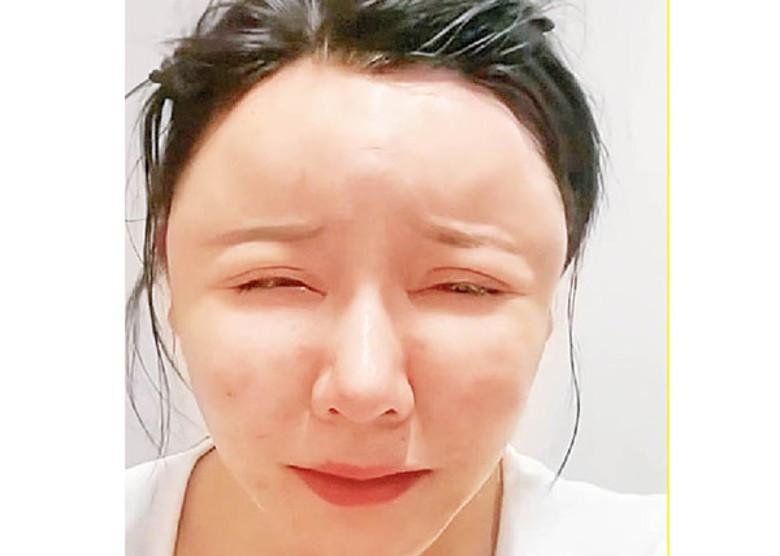
The “bubble face” phenomenon is one of the most disturbing cases because the procedure can initially look like a success.
Growth-factor injections were promoted as a way to create plumper, younger-looking skin without traditional surgery. The problem is that the effects can be delayed. Abnormal tissue growth can emerge months or even years after treatment.
One notorious case involved a Chinese influencer who reportedly underwent hundreds of procedures and developed severe facial deformation after repeated growth-factor injections. The complications included massive swelling, tissue growth, facial nerve problems and permanent deformation.
The lesson is particularly nasty: looking fine immediately after an injection doesn’t necessarily mean the procedure was safe.
3. The Fake “Body Parts” of China
Why stop at the face?
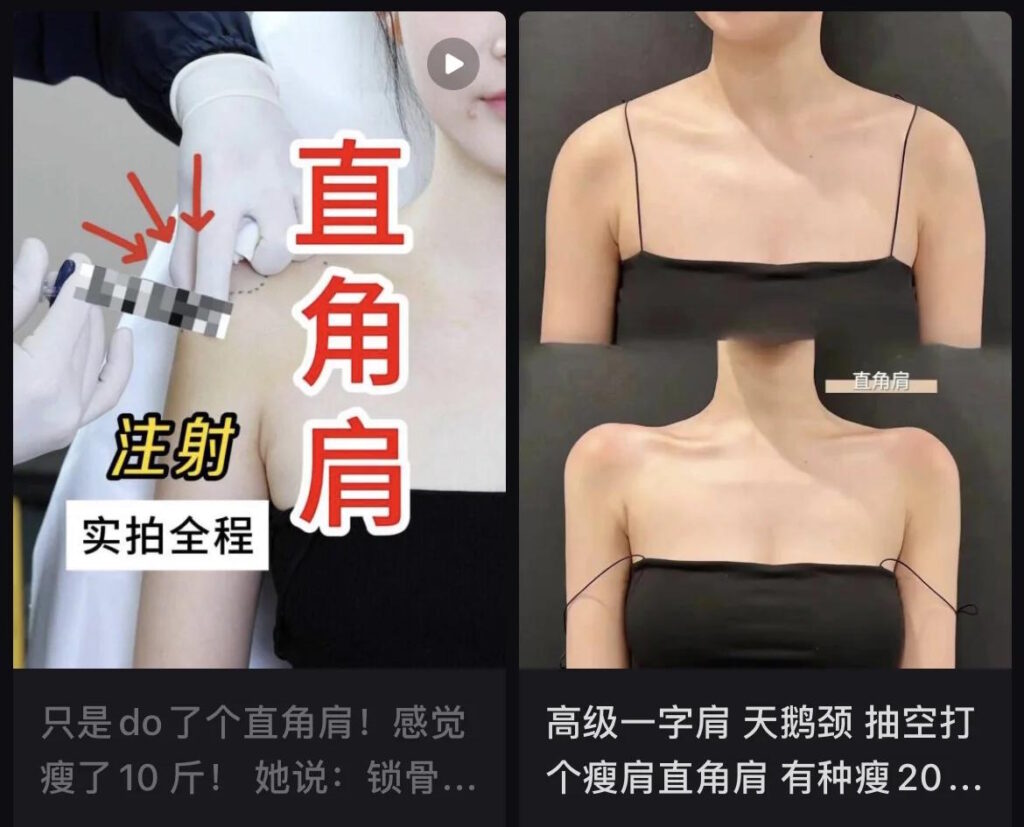
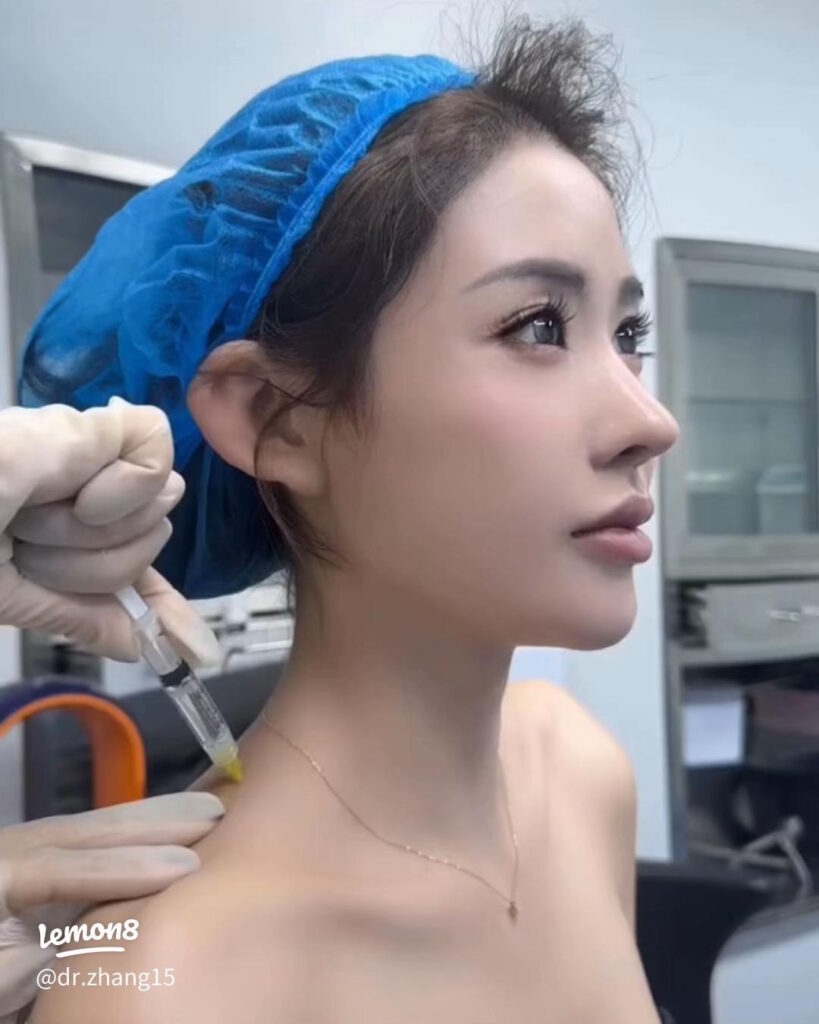
Wonny examines the increasingly extreme lengths people are going to reshape their bodies according to social-media proportions. One trend involves injecting filler into the shoulders to create the supposedly perfect 90-degree shoulder angle.
Then things get considerably more insane.
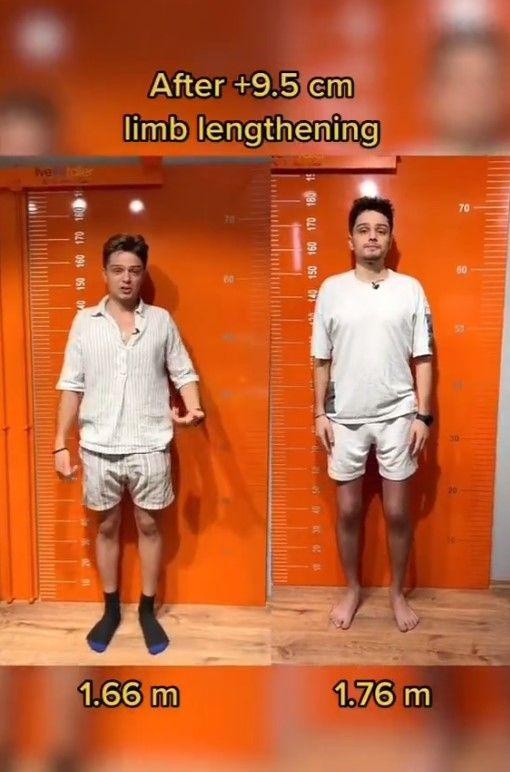
One influencer reportedly spent around 4 million yuan on injections intended to sculpt his body. And for people unhappy with their height, limb-lengthening surgery means deliberately breaking the leg bones and gradually separating them to gain several centimetres.
This is looksmaxxing taken to its logical extreme: if the body doesn’t match the algorithm’s preferred proportions, change the body.
The Fake “Body Parts” of China
4. China’s Disturbing “Mask Face” Obsession
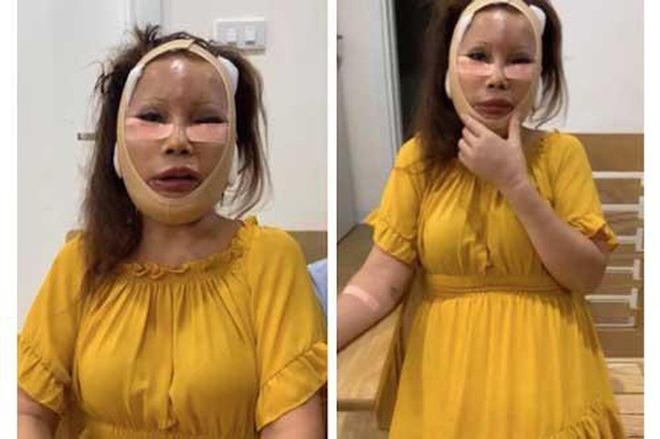
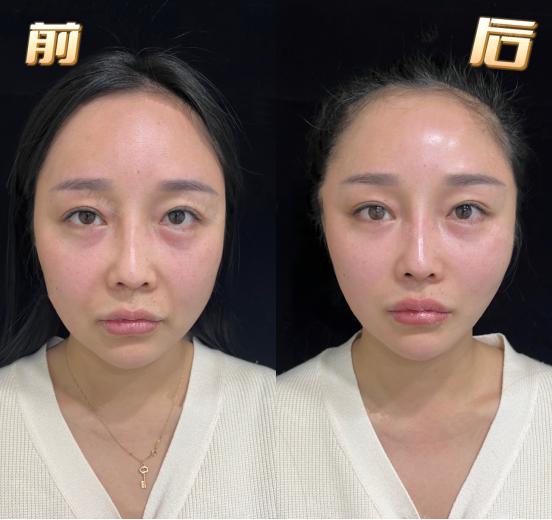
China’s anti-aging obsession has produced an aesthetic that looks almost uncanny.
Extreme facelifts pull the skin so tightly that expressions can become severely restricted, producing the so-called “mask face” appearance.
Wonny also covers increasingly elaborate procedures intended to defeat visible aging, including implants and structural modifications.
The irony is obvious: the attempt to look younger can produce a face that looks less human and less expressive.
5. China’s Deadly “Fox Eye” Obsession
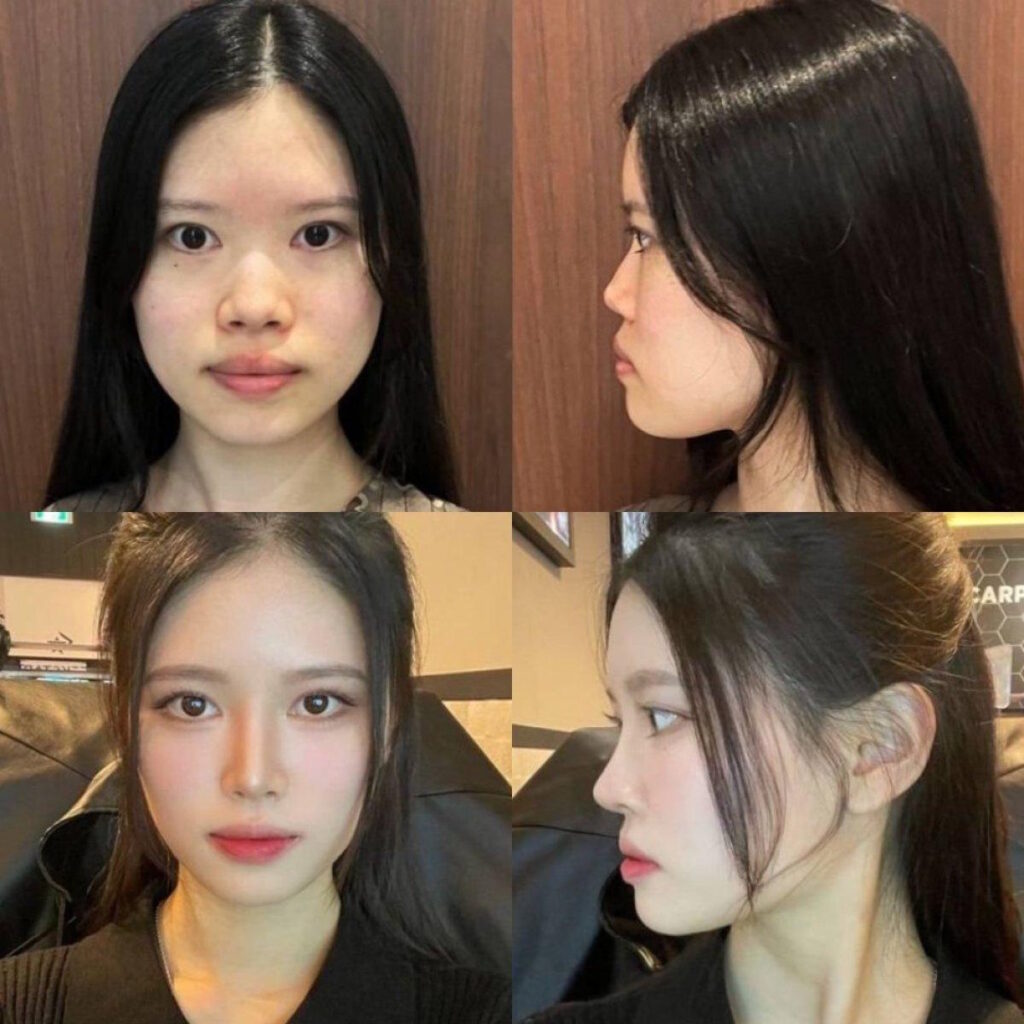
The fox-eye look is easy to achieve with makeup and filters. Unfortunately, some people decided that wasn’t permanent enough.
The surgical version attempts to pull the outer corners of the eyes upward to reproduce the exaggerated appearance popularized by social media.
Wonny documents cases where procedures went badly wrong, including unnaturally enlarged or distorted eyes, triple eyelids and problems closing the eyes.
The most absurd part is that a temporary makeup effect became something people were willing to permanently alter their faces to reproduce.
The June 2026 video had passed 2.4 million views.
6. China’s Deadly “Thread Face” Disaster
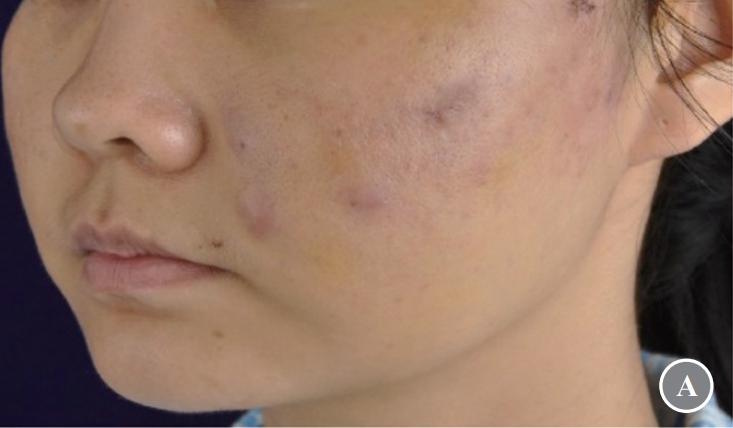
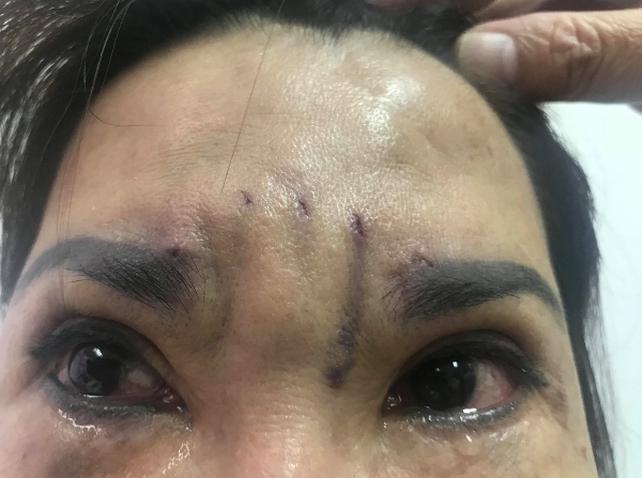
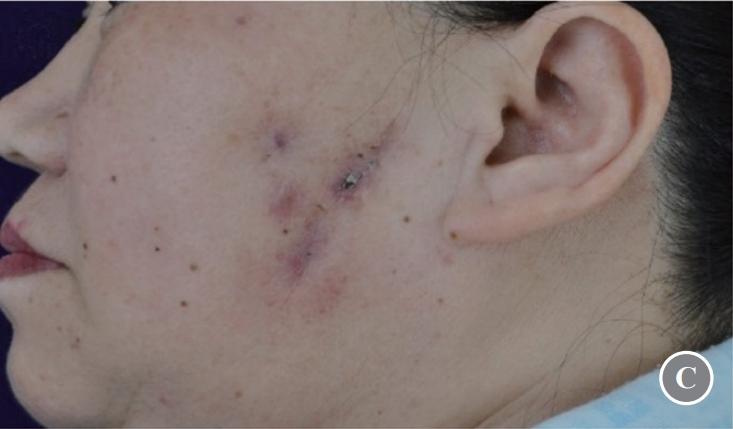
Thread lifting is marketed as a minimally invasive alternative to a facelift: threads are inserted beneath the skin to pull facial tissue upward.
The problem is that “minimally invasive” doesn’t mean complication-free.
Wonny’s September 2026 video covers cases involving scars, indentations and premature aging after thread procedures. The attraction is obvious — a facelift without a conventional facelift — but the results can become considerably stranger than the original problem.
At the time of the latest indexed data, the video was already around 2.1 million views.
7. China’s Deadly “Bubble Chin” Disaster
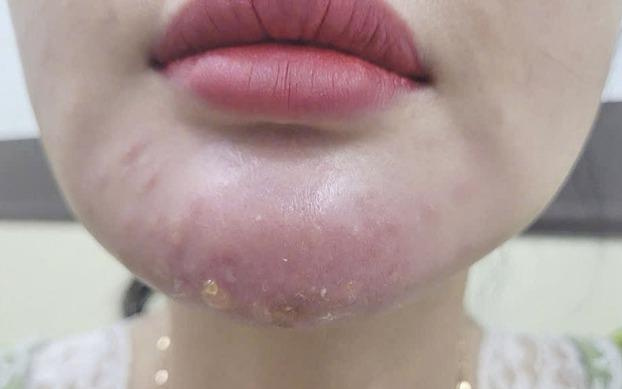
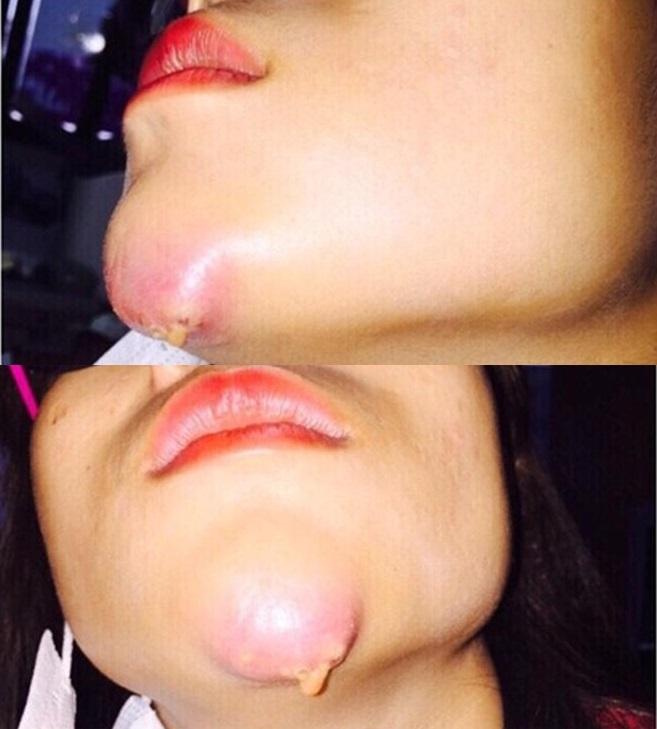
The obsession with the perfect facial profile doesn’t stop at the cheeks and forehead.
The “bubble chin” trend involves attempts to dramatically alter the shape and projection of the chin, producing the highly stylized proportions popular on Chinese social platforms.
As with the other trends, the danger is the gap between what looks impressive through a filter and what remains plausible on an actual human face.
The video had reached roughly 1.7 million views in indexed July 2026 data.
8. China’s Disturbing “Face Dots” Disaster
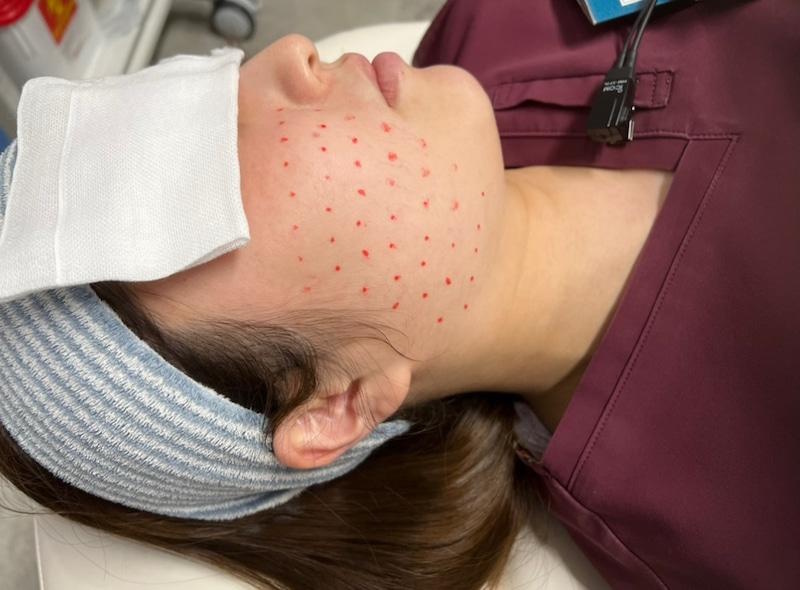
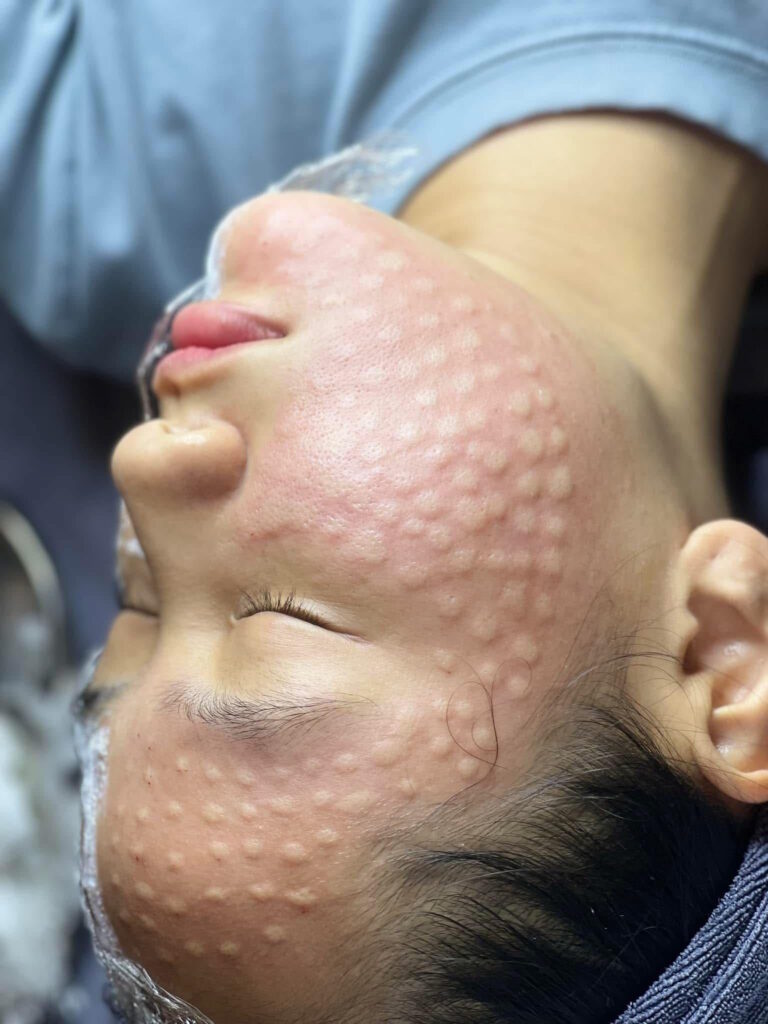
This one is a perfect example of how strange cosmetic procedures become when social-media aesthetics turn individual facial features into engineering problems.
The “face dots” trend revolves around strategically modifying small areas of the face to produce a particular visual proportion.
It is less spectacular than literally rebuilding someone’s skull, but that’s precisely what makes it interesting: cosmetic intervention is moving from “I don’t like my nose” toward micromanaging individual points of facial geometry.
The August 2026 video was already around 1.6 million views.
9. China’s Disturbing “Plastic Face” Mother
4
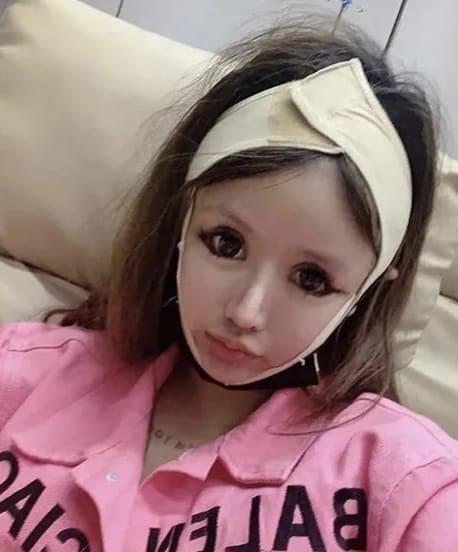
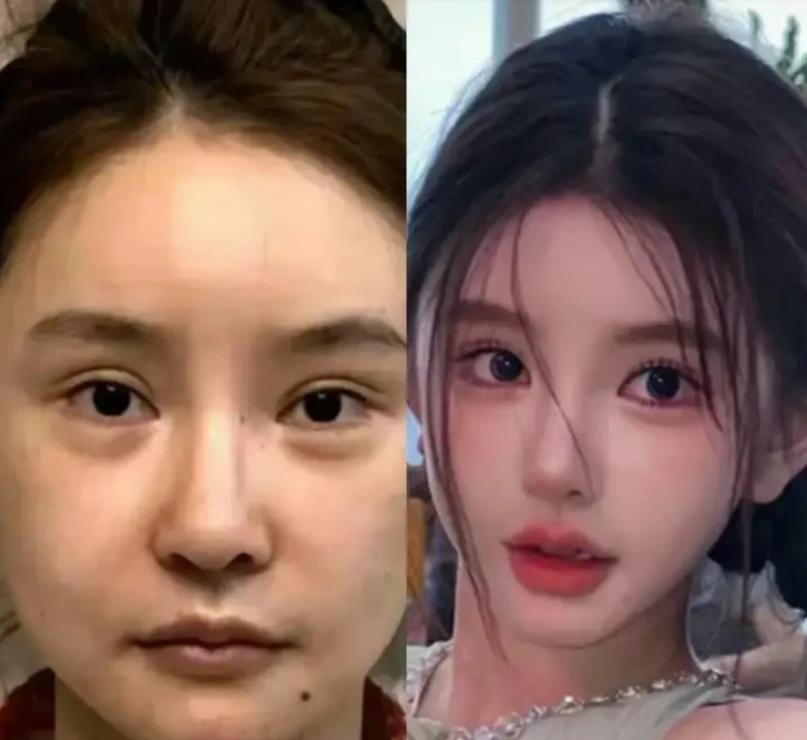
This isn’t really a single procedure. It’s what happens when cosmetic surgery becomes an ongoing identity project.
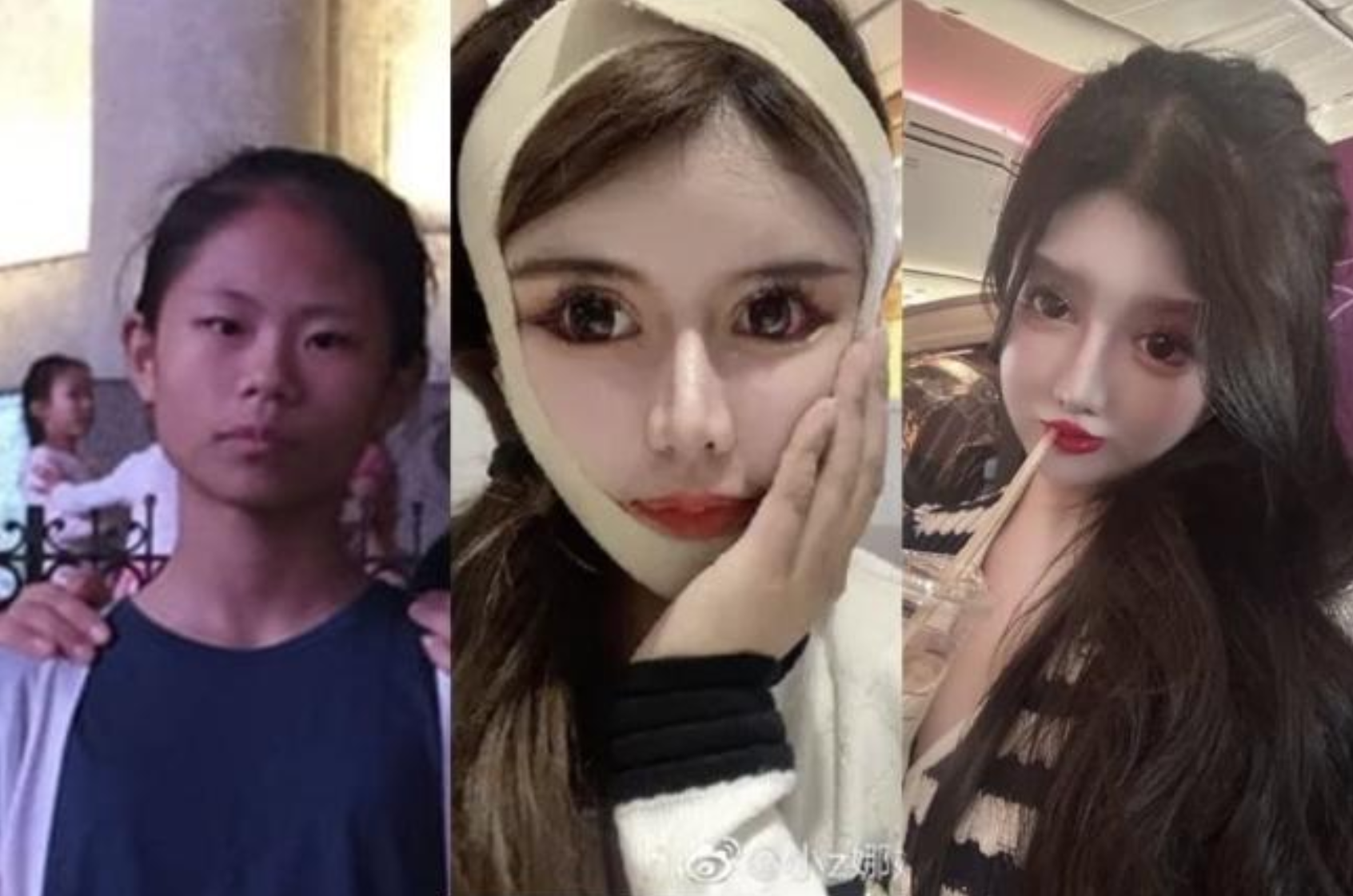
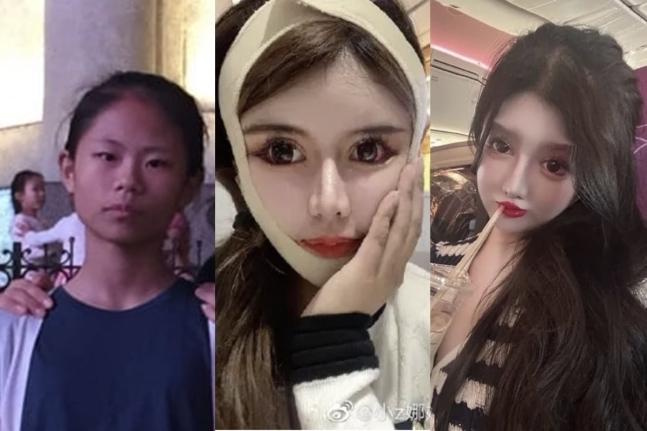
Wonny tells the story of a Chinese woman known as Pink Baby who reportedly underwent more than 200 cosmetic procedures, beginning when she was only 16.
The surgeries became part of her attempt to construct a recognizable online persona — until the accumulation of procedures reportedly left her severely disfigured and permanently disabled.
The video is particularly uncomfortable because there isn’t one spectacular moment when everything goes wrong. Instead, it’s the cumulative effect of repeatedly deciding that the previous version of yourself still isn’t good enough.
10. China’s Disturbing “Fake Doctors” Disaster

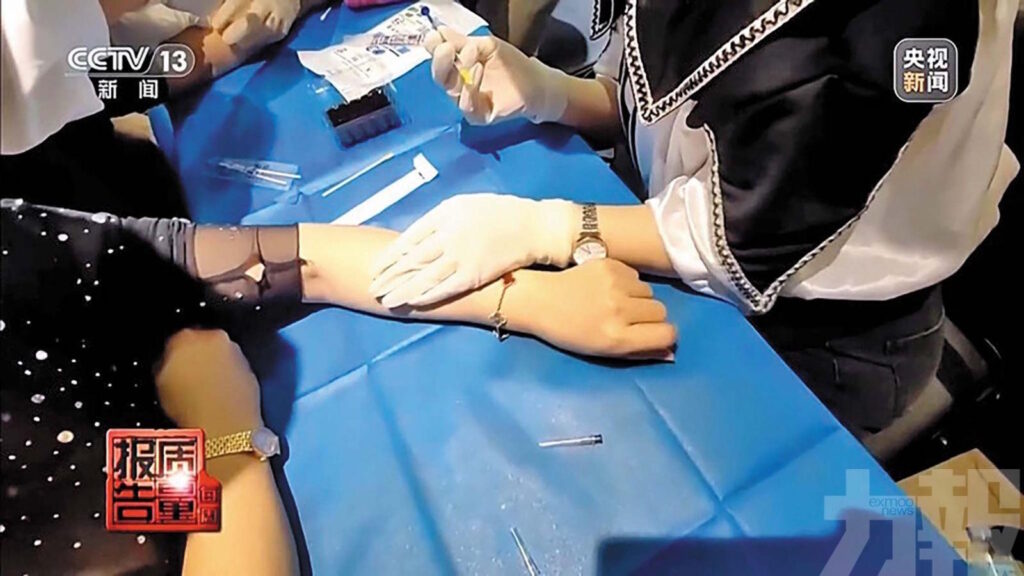
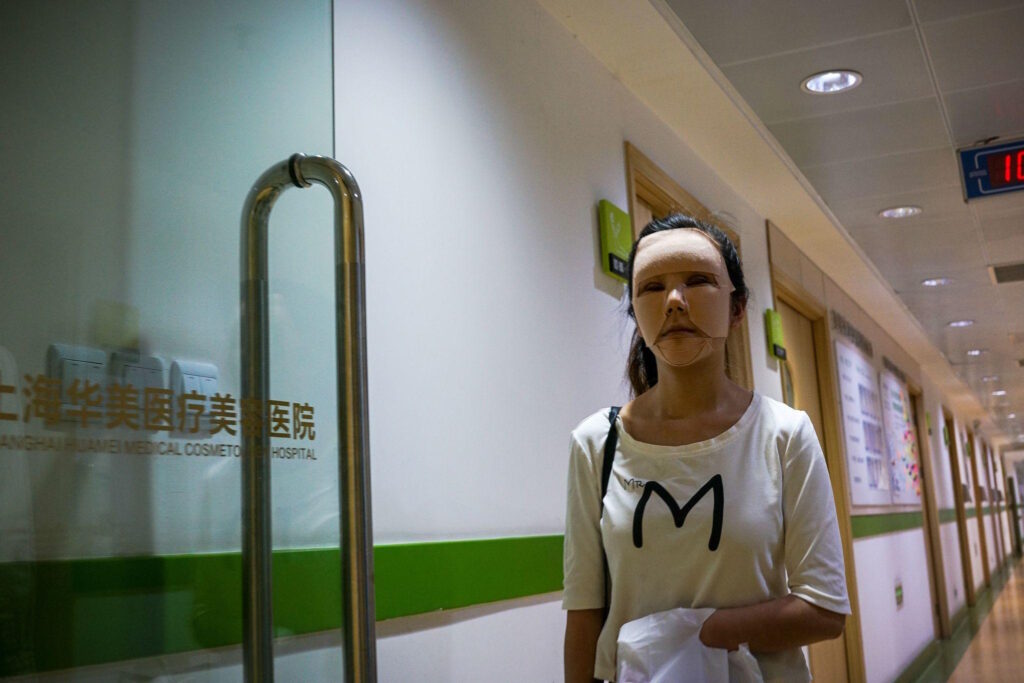
This is where the story becomes less about bizarre aesthetics and more about who is actually performing these procedures.
Wonny looks at fake or inadequately qualified cosmetic practitioners operating in China’s enormous aesthetic-medicine market.
That distinction matters. A strange beauty trend is one thing; having an unqualified person inject, cut or implant something into your face is another.
The combination of viral beauty trends + social-media advertising + questionable practitioners is what makes some of these cases so dangerous.
Wonny’s own channel index specifically identifies “Fake Doctors” as part of its cosmetic-surgery series and highlights the risks they pose.
11. China’s Deadly “Bubble Eye” Disaster
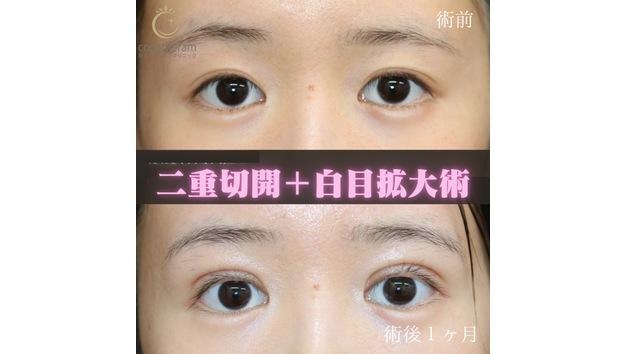
The eyes are probably the most unforgiving part of the face to experiment with.
The “bubble eye” phenomenon pushes the already popular large-eye aesthetic into much more extreme territory. Wonny’s thumbnail alone gives an idea of the result: eyes that appear unnaturally swollen or protruding.
The problem with this category of surgery is obvious. Unlike changing a hairstyle or applying makeup, altering the tissues around the eye can affect basic functions such as eyelid closure and tear protection.
It is one of the recurring “bubble” disasters in Wonny’s 2026 series, alongside Bubble Face and Bubble Chin.
12. China’s Deadly “Bubble Forehead” Disaster
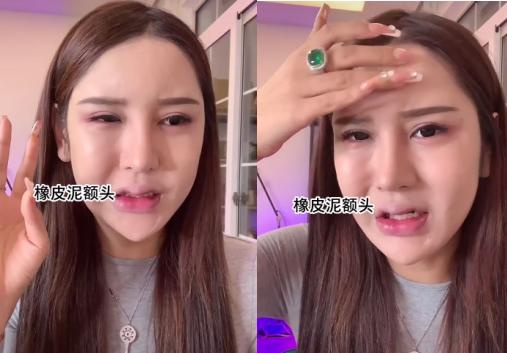
And finally, we reach the forehead.
The “bubble forehead” phenomenon is connected to the same broader problem of aggressive injection-based beauty treatments. Instead of simply filling wrinkles, some procedures attempt to dramatically alter the volume and contours of the forehead.
The really disturbing cases involve abnormal tissue growth and deformation, sometimes appearing long after the original treatment.
The bigger pattern
Taken individually, these stories sound ridiculous: a taller skull, fox eyes, bubble cheeks, a bubble forehead, a permanently smiling mouth, wider shoulders, longer legs.
But collectively they reveal something more interesting.
The common denominator isn’t really plastic surgery. It’s social-media optimization of the human body.
A filter establishes a desirable proportion. Influencers demonstrate it. Millions of people see the same proportions repeatedly. Clinics begin selling procedures designed to reproduce them. Then the algorithm finds an even more extreme version.
The result is an aesthetic arms race in which the definition of “normal” keeps moving.
Wonny’s catalog makes that progression unusually visible: from conventional facial surgery, to fillers, to thread lifts, to extreme anti-aging procedures, and eventually to changing the actual geometry of the skull and body. The channel currently has a large cluster of China-focused videos covering precisely these cosmetic-surgery and beauty-standard phenomena.
And that’s probably the most disturbing part of the whole thing: none of these trends require people to believe they are ugly. They only need people to believe that looking slightly different would get them more attention.