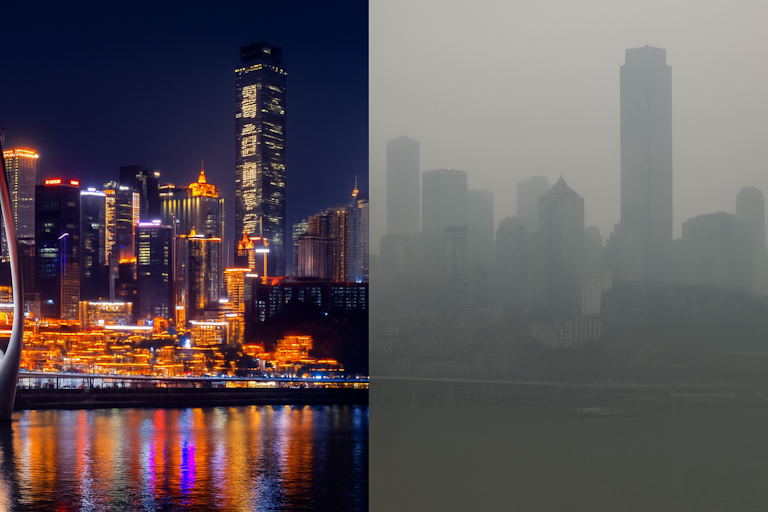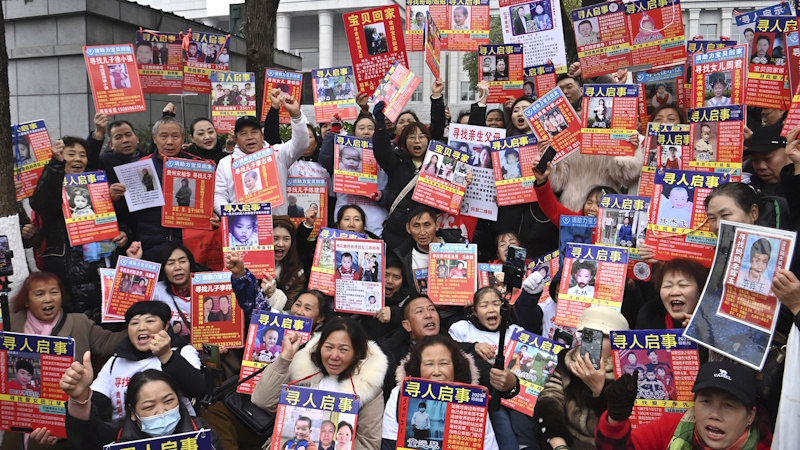

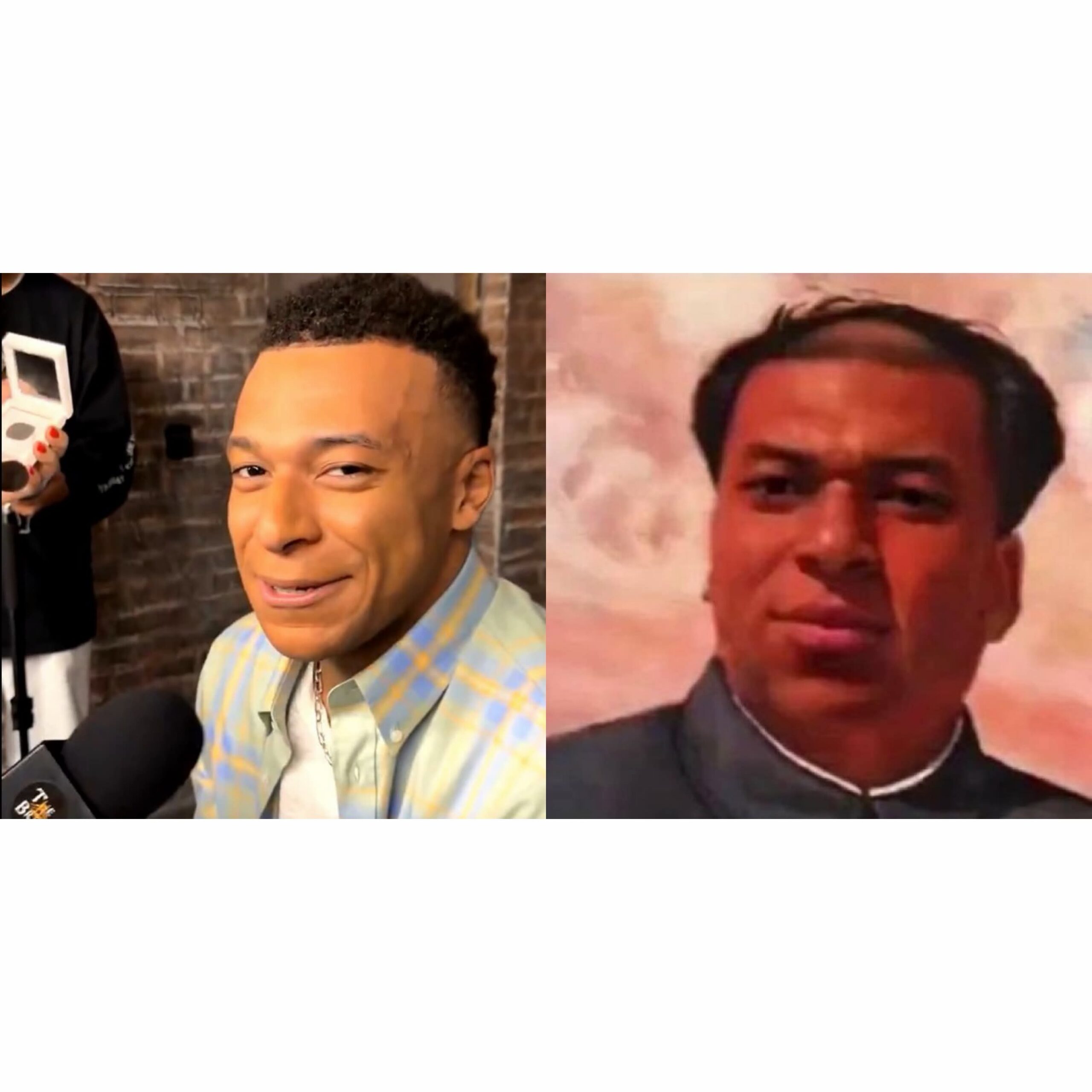
This country has turned a football superstar laughing at an internet meme into an international controversy involving China boycott backlash, official apologies, censorship and the apparent erasure of a famous athlete from public view. Kylian Mbappé’s offence? Finding it funny when someone photoshopped his face onto the body of Mao Zedong.
The China boycott backlash story is remarkable because the original remark was so casual, while the consequences became enormous. Three Chinese companies ended commercial agreements with Mbappé, state media suspended broadcasts of Spanish La Liga matches, and his Chinese social media accounts faced restrictions. His club, Real Madrid, and La Liga also apologised to China.
All of this followed a joke about a meme.
Beginnings of Mbappé’s China boycott backlash: from football satire to a national crisis
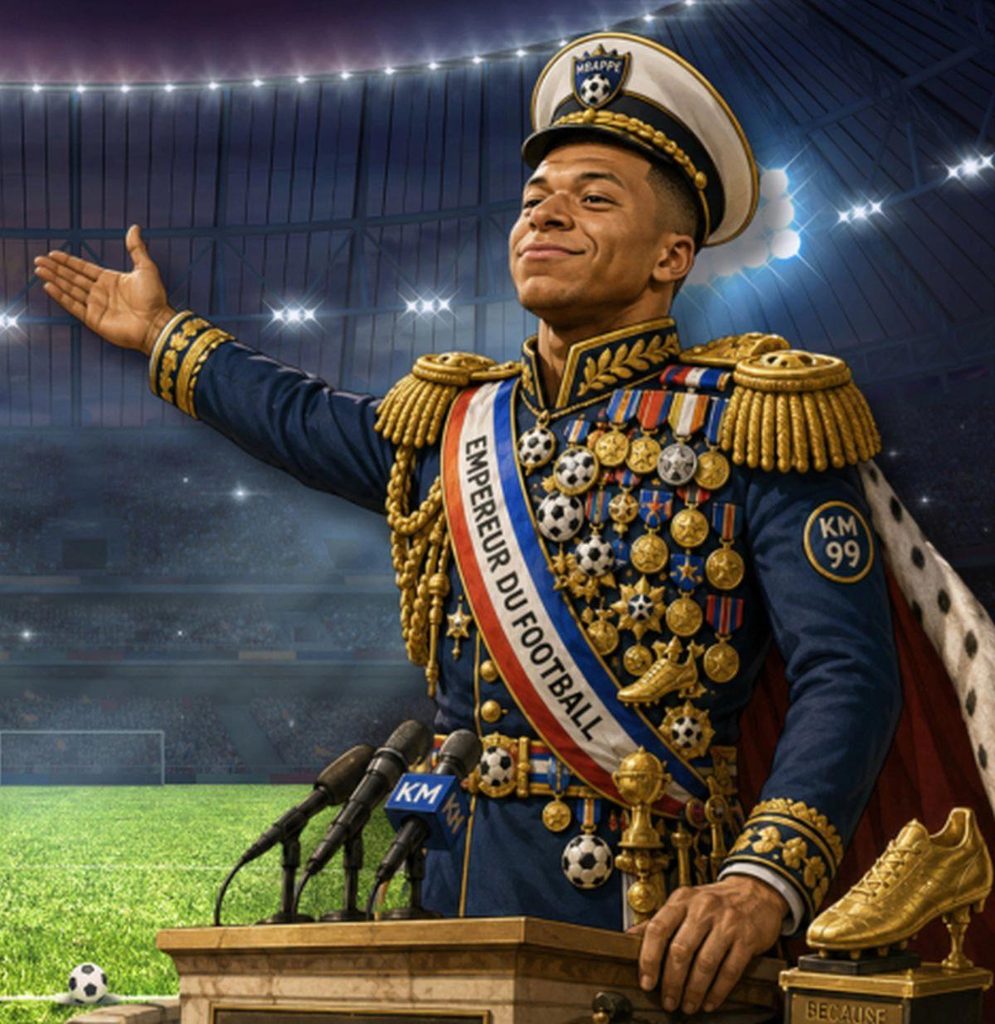
Mbappé’s dictator memes originated in football culture. Fans joked about his perceived influence over decisions at Paris Saint-Germain, where he had become such a powerful figure that supporters sometimes portrayed him as a dictator running the club.
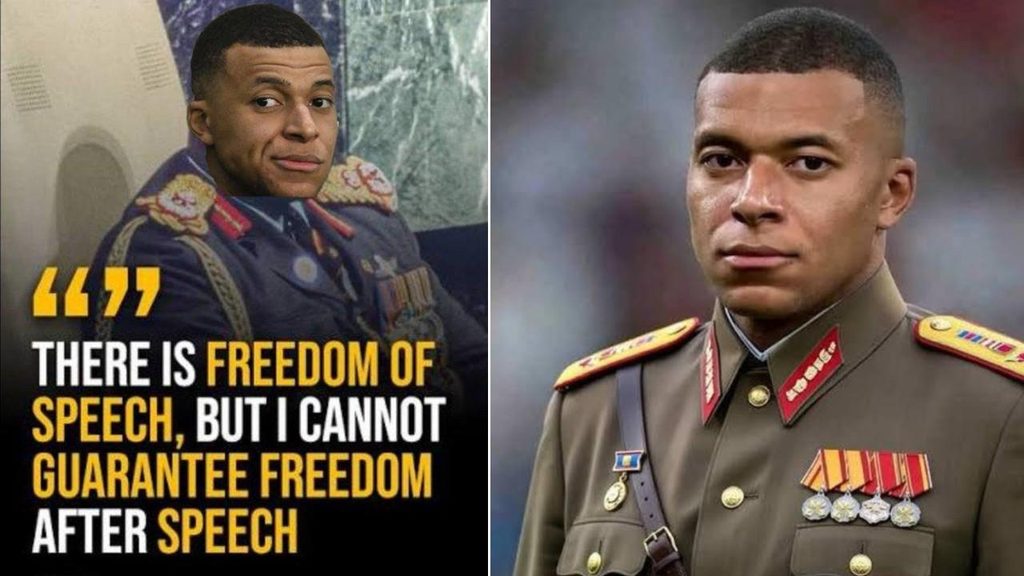
The joke developed a life of its own. Memes placed his face on historical authoritarian figures, including Mao, Hitler and Mobutu Sese Seko.
The controversy began after Mbappé was asked about his favourite memes. He described an image of himself on the body of a man he thought was a Chinese dictator and said he found it funny. He did not deliver a political speech, insult Chinese people or call for action against China.
The remark nevertheless touched a particularly sensitive subject. Mao remains an honoured figure in the official history of the People’s Republic of China, despite the catastrophic consequences of his rule.
Mao’s Great Leap Forward contributed to a devastating famine, while the Cultural Revolution brought widespread persecution and violence. The death toll associated with Mao-era campaigns reaches tens of millions, although estimates vary. The Associated Press has cited an estimate of 31 million deaths through starvation and persecution across campaigns including the Great Leap Forward and Cultural Revolution.
Calling Mao a dictator is a description of his authoritarian rule. Laughing at a meme depicting him as one is hardly an attack on the Chinese population.
Yet the response was immediate and consequential.
The China boycott backlash: posters, mutilated labels and burning jerseys
The retaliation described in online reports went well beyond ordinary criticism.
Images and accounts circulated showing people:
- Covering Mbappé’s face on advertising posters, including advertisements in public spaces.
- Removing or cutting his face out of product packaging while leaving the drinks themselves available for sale.
- Throwing away products associated with him and displaying the destruction of Mbappé-branded merchandise.
- Burning football jerseys, tearing down posters and ripping apart cardboard cutouts bearing his likeness.
- Stomping on his image and treating the footballer as an enemy of the country.
- Encouraging children to participate in tearing down or defacing his pictures.
- Removing his name from promotional material and, reportedly, an awards listing where his second-place result had appeared.
The last example is especially absurd: an ordinary ranking can apparently become something to edit when the person being recognised has fallen out of political favour.
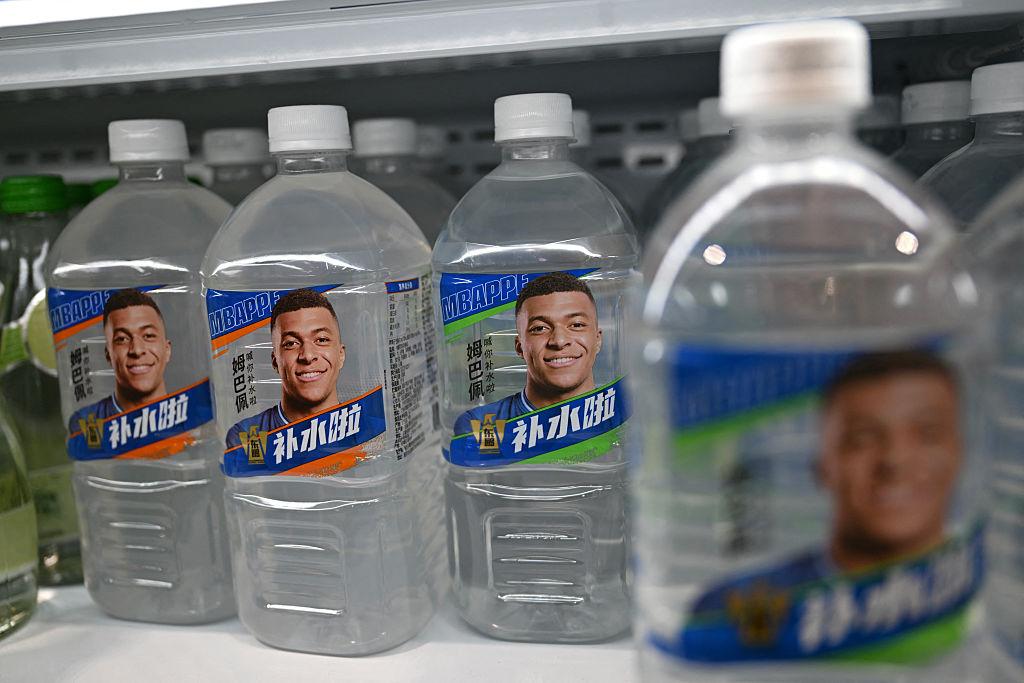
The response also had consequences online. Mbappé’s accounts on Weibo and Xiaohongshu were restricted, with platform notices citing violations of laws or community rules. Chinese beverage maker Dongpeng, dairy company Mengniu and cheese maker Milkground announced the termination of their agreements with him.
State media added a much larger punishment by suspending broadcasts of La Liga matches and demanding apologies from Mbappé, Real Madrid and the league.
This is the China boycott backlash mechanism in miniature: online condemnation becomes a commercial problem, commercial partners distance themselves from the target, and institutions with access to the Chinese market are pressured to demonstrate their obedience.
It is difficult to establish that every angry post or every act of destruction was centrally organised. What is directly observable, however, is that the authorities entered the dispute, state media imposed broadcasting consequences, and online platforms restricted the person at its centre.
The strangest part: people were encouraged to hate him without knowing why
The most revealing feature of the boycott was the treatment of the original remark itself.
News about Mbappé’s lost sponsorships spread across Chinese platforms, but the comment that supposedly justified the outrage was not openly reproduced. The Associated Press reported that censorship meant some people following the controversy did not know exactly what he had said.
One Beijing resident interviewed by AP said he had only a vague impression that Mbappé must have said something political. Another, a Beijing lawyer, thought the reaction was an overreaction.
This is the central contradiction. The public is expected to understand that a foreigner has offended the nation, yet the actual words that supposedly caused the offence become difficult to discuss.
A person can encounter endless accusations against Mbappé without being given the context needed to judge whether those accusations make sense.
The outrage travels. The explanation is restricted.
That arrangement is useful to any authority that wants to turn a disputed remark into a patriotic loyalty test. People can demonstrate that they stand with the nation by condemning the offender, even when the original issue remains unclear.
The painter and the actor: how people work around censorship
An anecdote from Chinese-language online discussions captures the absurdity of trying to debate the issue openly.
Directly calling Mao a dictator can attract censorship. So people resort to substitutions and coded references.
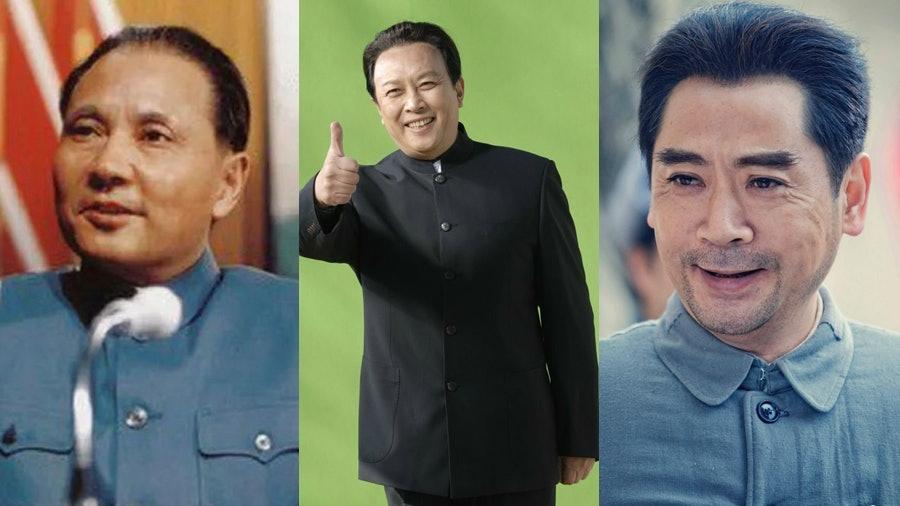
Tang Guoqiang is a well-known Chinese actor who has portrayed Mao in films and television. In the wordplay described by observers of the discussion, the actor becomes a substitute for Mao, while the word painter alludes to Adolf Hitler, who painted before becoming a political leader.
The result is a deliberately indirect comparison. Instead of openly writing that Mao was a dictator, a commenter can refer to the actor who played him and a supposed painter, allowing people who understand the reference to reconstruct the meaning.
Imagine trying to explain a controversy in which an athlete is hated because he laughed at a meme about a dictator, but the words “Mao” and “dictator” are so sensitive that you have to invent a riddle to discuss it.
That is what makes this more than a story about an overreaction. It illustrates how censorship can alter the language people use to communicate, even when they are discussing a news story that has become prominent across the country.
The absurdity is the point: people become exceptionally creative because direct speech carries a cost.
Other China boycott backlashes: when a remark or gesture becomes a national insult
Mbappé is not an isolated case. The scale and consequences differ, but several other incidents show how quickly apparently minor personal actions can become international controversies.
Gigi Hadid: a Buddha-shaped cookie
In 2017, a video of model Gigi Hadid squinting while holding a Buddha-shaped cookie prompted accusations of racist behaviour from Chinese internet users. Hadid apologised on Weibo and subsequently withdrew from the Victoria’s Secret fashion show in Shanghai.

The reason for her withdrawal was never publicly established, and it was not confirmed that Chinese authorities had denied her a visa. Nevertheless, the incident illustrates how an ambiguous gesture can develop into a reputational crisis when interpreted through an intensely nationalistic lens.
Source: Associated Press reporting on Hadid’s withdrawal
BTS: remembering Korean War sacrifices
In 2020, BTS leader RM spoke about the shared suffering and sacrifices of South Koreans and Americans during the Korean War.
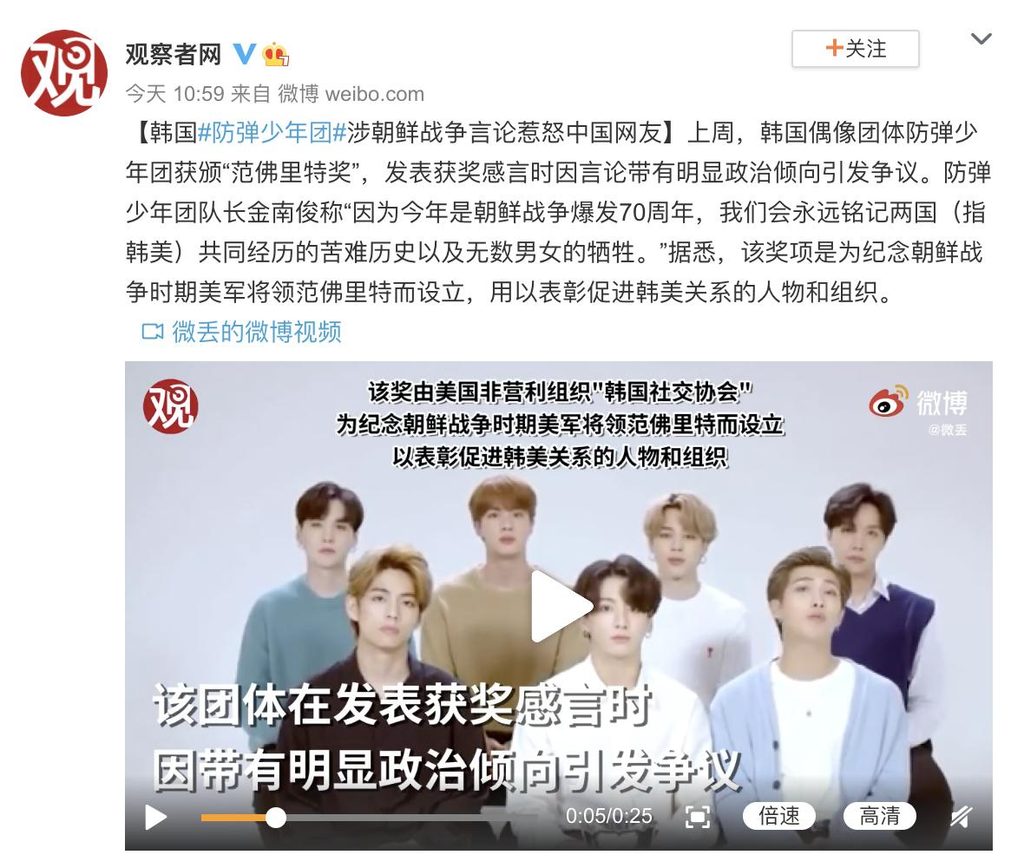
Some Chinese users objected because China had fought alongside North Korea against South Korea and the US-led coalition. Promotions featuring BTS disappeared from several Chinese e-commerce platforms, including material associated with brands such as Samsung and Fila, although it was not always clear who had removed them.
RM was acknowledging the sacrifices associated with a war. The controversy arose because those remarks were interpreted through China’s historical and political sensitivities.
Source: Reuters reporting on the BTS backlash
Lionel Messi: the match he did not play
In February 2024, Lionel Messi remained on the bench during Inter Miami’s exhibition match in Hong Kong, with the club attributing his absence to an injury. He then played in Japan three days later.
Anger spread through Hong Kong and mainland China, and Chinese state media entertained speculation that his absence had political motives. A planned Argentina friendly in Hangzhou was cancelled amid the controversy.
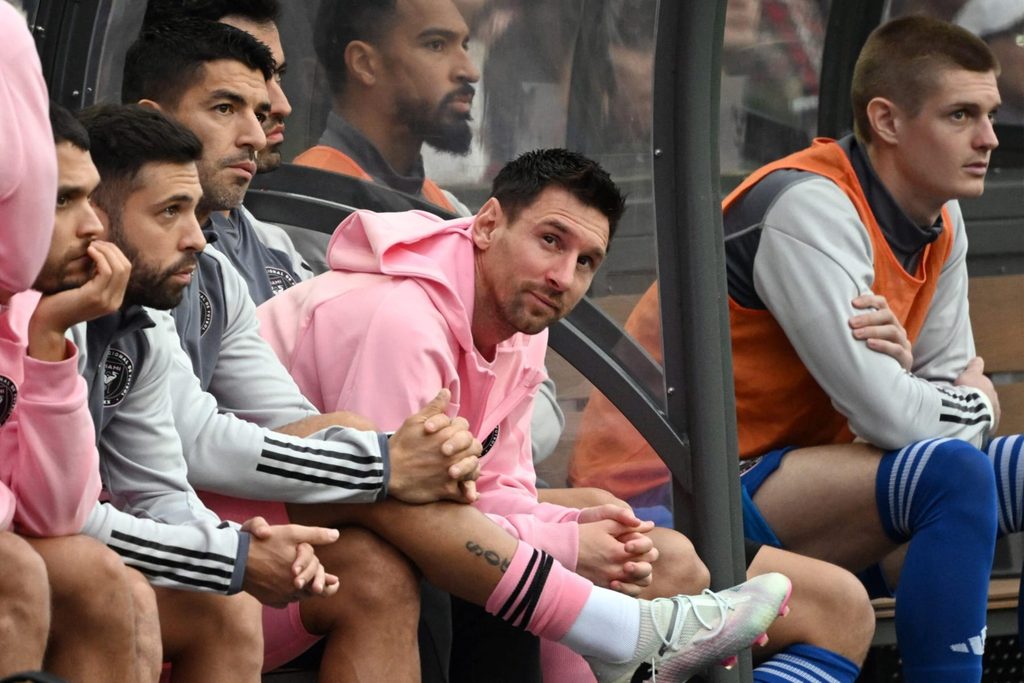
Messi subsequently insisted that politics had nothing to do with his decision and explained that his injury had prevented him from playing in Hong Kong.
Fans who had paid to see a superstar had understandable grounds for disappointment. The leap from a player’s medical condition to suspicions of political hostility, however, shows how quickly sporting events can become proxies for national grievances.
Source: Associated Press on Messi’s explanation
John Cena: an apology over Taiwan
In 2021, actor and professional wrestler John Cena referred to Taiwan as a country while promoting Fast & Furious 9 in an interview with Taiwanese television. The comment triggered anger among Chinese social media users, and he issued an apology in Mandarin.
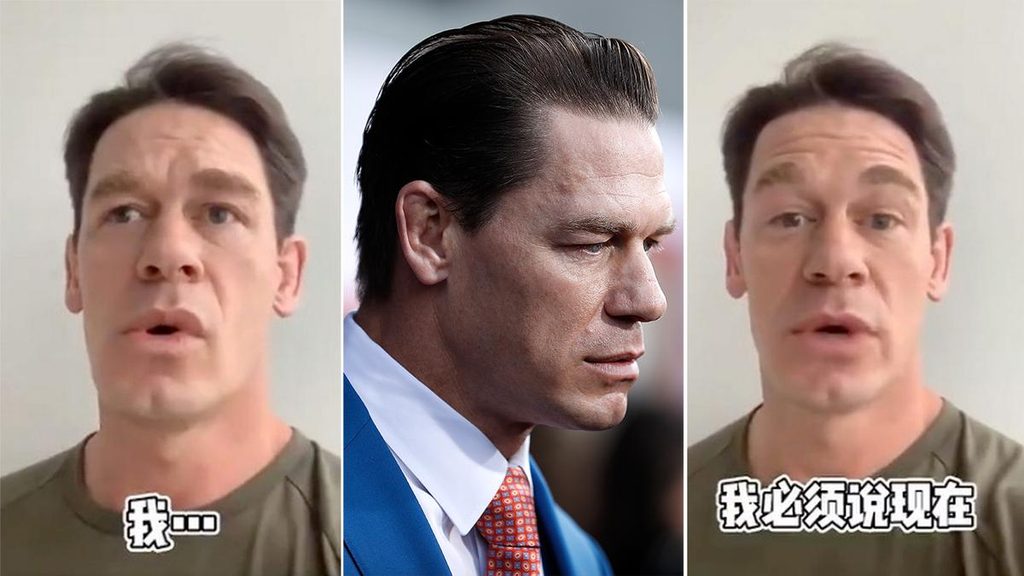
The incident did not involve an explicit declaration supporting Taiwanese independence. A phrase used during a film promotion was interpreted as challenging Beijing’s position on Taiwan, creating pressure for a public recantation.
Brad Pitt and Seven Years in Tibet
The treatment of Brad Pitt belongs to a more overtly political category. His 1997 film Seven Years in Tibet portrayed Tibet and the Dalai Lama sympathetically, angering Chinese authorities. China banned the film and restricted cooperation with the studios behind it; reports from the time also described travel restrictions affecting Pitt and other Hollywood figures associated with Tibet-related films.
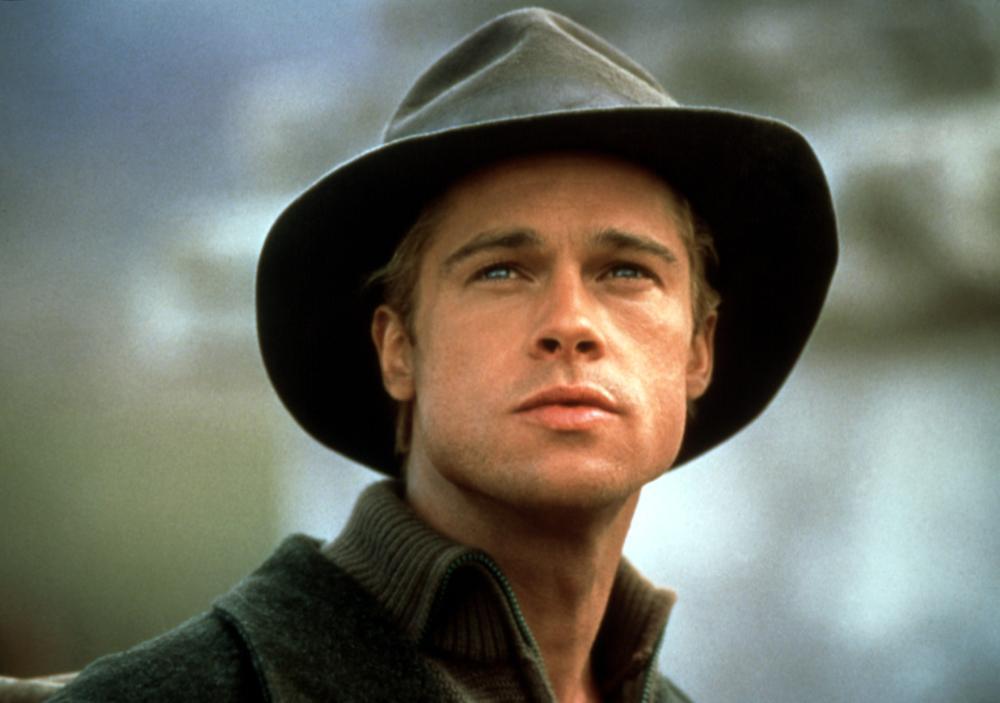
This was a much more direct clash over historical and political representation than Mbappé’s brief reaction to a meme. It nevertheless demonstrates that entertainment, business access and personal reputation can become instruments of political pressure.
Source: The Washington Post’s contemporary reporting
A boy, a Mao statue and a much more literal taboo
Another reported example concerns a boy said to have been arrested after slapping a statue of Mao. The claim appeared in a 2023 report by China Fact Chasers. I could not find independent news reporting that verifies the arrest, so this should be treated as a less firmly established anecdote than the cases above.
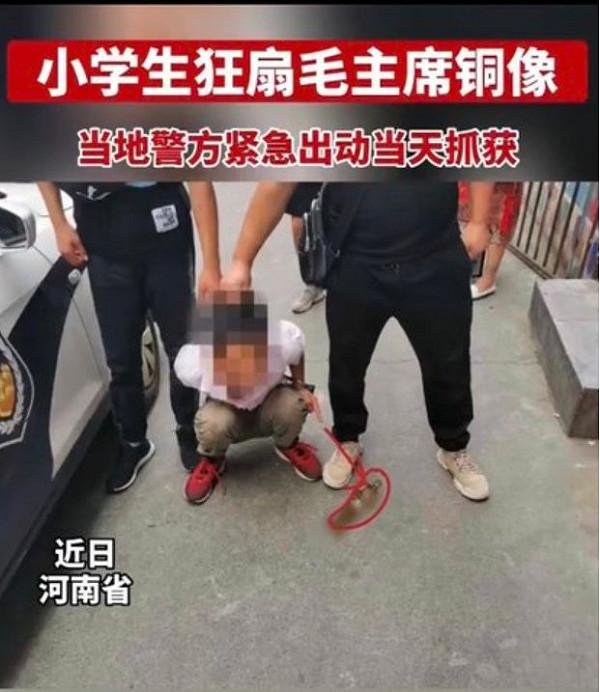
Even as an unverified example, it points towards the sensitivity surrounding Mao’s public image. When a historical leader becomes a protected national symbol, even a childish act of disrespect can be presented as something more threatening than simple irreverence.
The broader question is why a statue, a joke or a meme should carry such weight that a person’s future can be jeopardised by a moment of mockery.
When visiting Taiwan is enough to trigger punishment
The same sensitivity extends beyond celebrities.
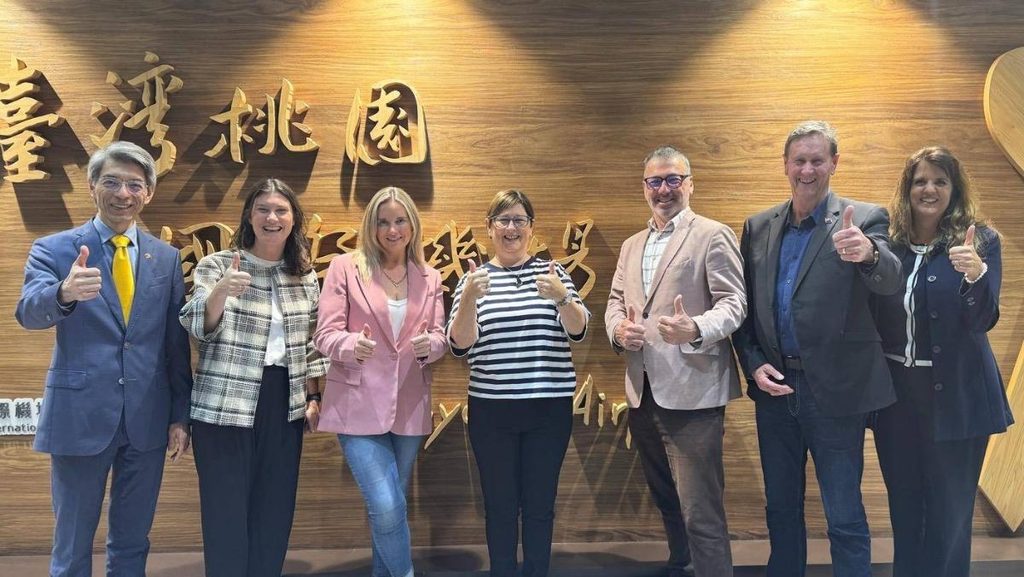
In May 2026, four New Zealand parliamentarians—Maureen Pugh, Duncan Webb, David Wilson and Laura McClure—visited Taiwan as part of a cross-party parliamentary delegation. Beijing subsequently barred them from entering China, Hong Kong and Macau for a year and demanded an apology.
The reported trigger was their visit to Taiwan. The New Zealand government noted that its parliamentarians had made such visits for decades, while the officials themselves defended their right to engage with international partners. The case did not require a declaration of Taiwanese independence to produce diplomatic punishment.
Source: Associated Press reporting via The Washington Post
This is a different category from the Mbappé incident. A dispute over Taiwan involves a genuine geopolitical conflict; a visit by elected representatives is not equivalent to laughing at an internet joke. Yet the response shows how Beijing can treat ordinary contact with Taiwan as a challenge to its authority.
The commercial equivalent appeared in 2019, when the Chinese Basketball Association suspended cooperation with the Houston Rockets after general manager Daryl Morey posted support for Hong Kong’s pro-democracy protesters. Chinese state television also stopped broadcasting NBA games.
That case involved an explicit political statement, so it is not a trivial-trigger example. It demonstrates the same leverage: access to the Chinese market can be used to encourage foreign organisations to discipline themselves and their employees.
Source: Associated Press reporting published by the NBA
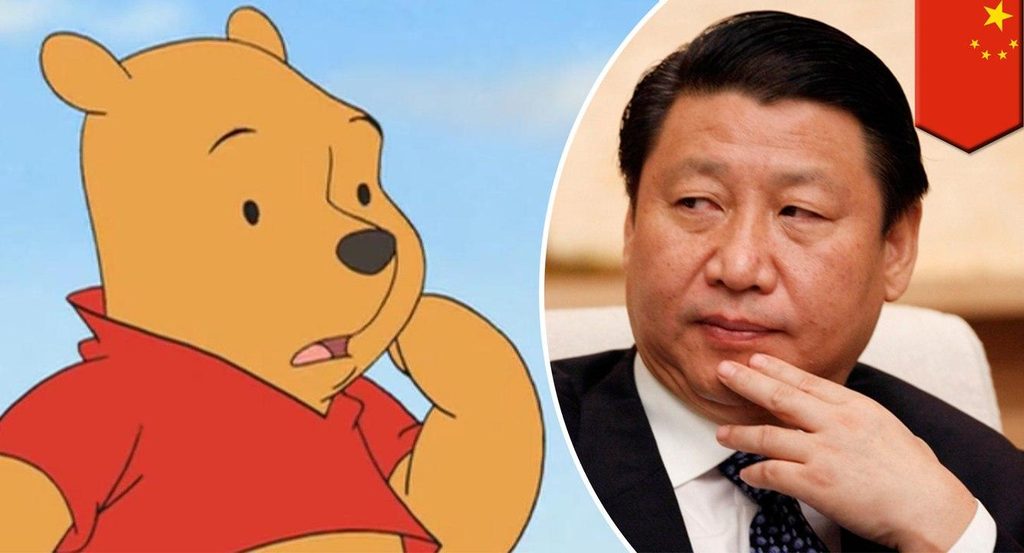
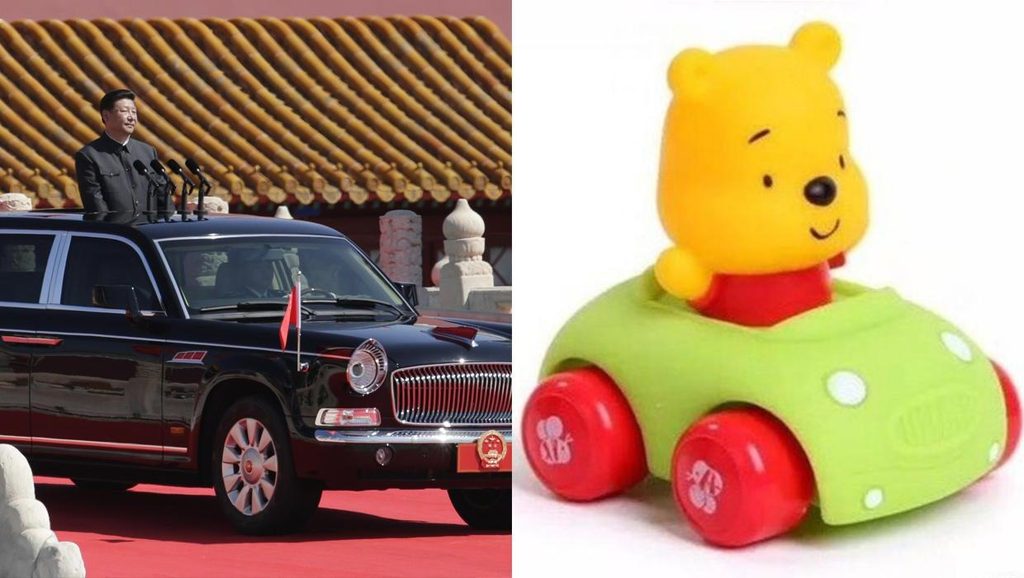
Winnie the Pooh: the cartoon bear that embarrassed Xi Jinping
What happened: In 2013, internet users compared a photograph of Xi Jinping walking alongside US President Barack Obama to an image of Winnie the Pooh walking with Tigger. Later memes compared Xi’s handshake with Japan’s Shinzo Abe to Pooh shaking hands with Eeyore.
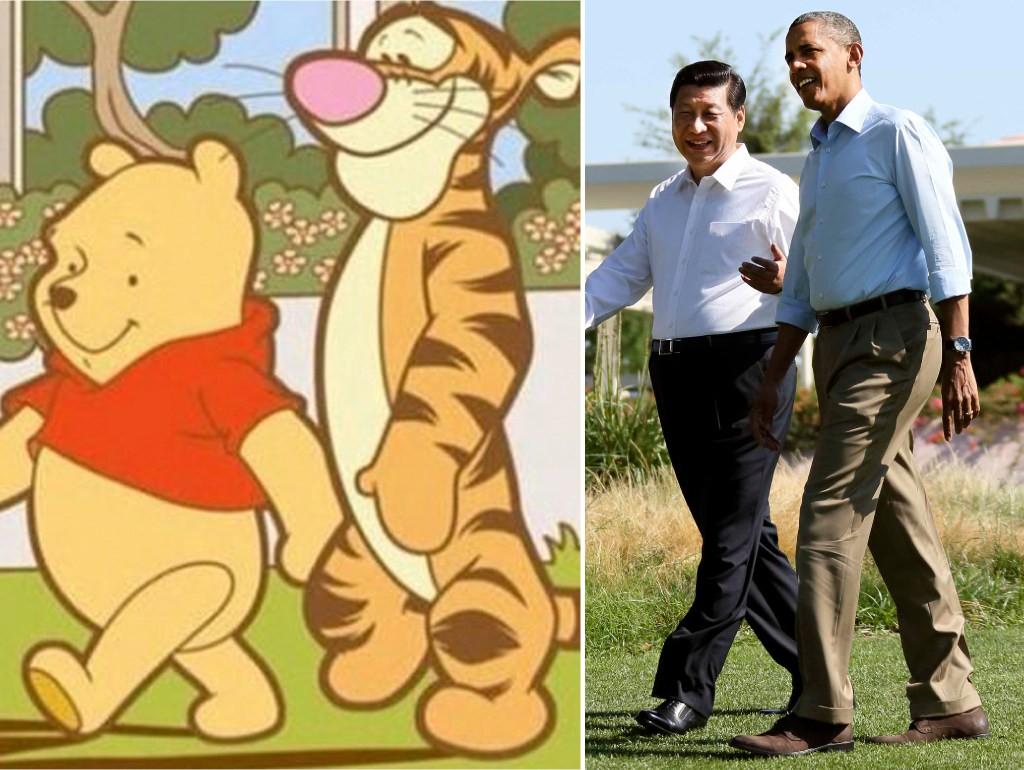
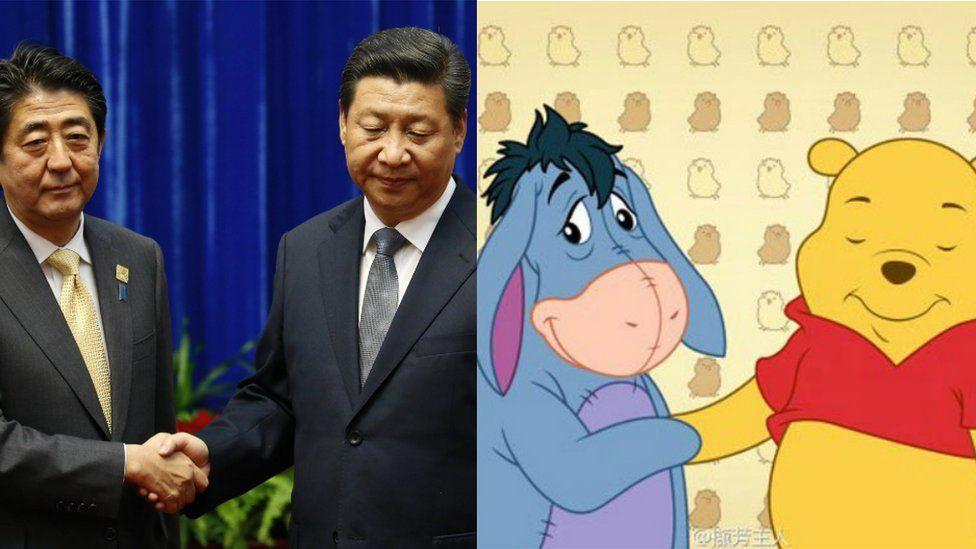
The joke spread, and Chinese censors began restricting relevant images and references. In 2018, the film Christopher Robin was reportedly denied a Chinese theatrical release amid the sensitivity surrounding the character.
- BBC — Why China censors banned Winnie the Pooh
- The Guardian — China blocks Winnie the Pooh film
- Know Your Meme — Xi Jinping and Winnie the Pooh comparisons
The bamboo cicada: Huawei’s million-yuan toy problem
What happened: In 2023, Huawei executive Richard Yu promoted the AITO M9 SUV as the “best SUV under 10 million” yuan. The audience’s enthusiastic reactions became an internet joke.
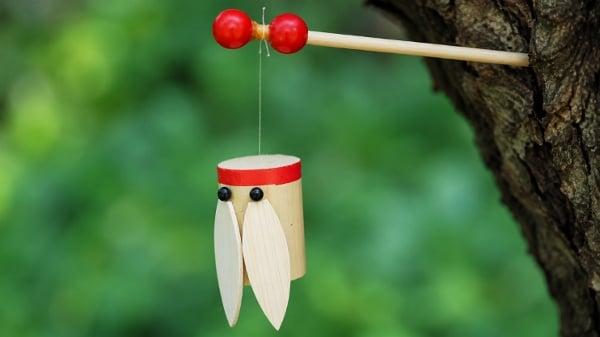
In 2026, users noticed that a traditional bamboo cicada toy makes a similar wa-wa sound the spokesman does. They began posting parody videos calling it the “best toy under 10 million.”
Huawei’s automotive venture said it filed complaints against 171 pieces of content, with 144 taken down. Huawei denied demanding a blanket ban on the toy itself although there’s evidence it was hard to buy. The controversy nevertheless fueled further mockery, including people imitating the sound with ordinary household objects.
- ThinkChina — How a toy bamboo cicada stung Huawei’s public image
- China News Service — Huawei’s response to the bamboo cicada controversy
- TVB News — Why did a cicada toy trouble a technology giant?
What this reveals about China—and how outsiders misunderstand it
Western observers often assume that a public backlash represents the spontaneous, shared feelings of an entire population. The Mbappé controversy shows why that assumption can be dangerous.
Chinese citizens are not a monolith. Some genuinely revere Mao, some know little about the darker history of his rule, some participate in nationalist campaigns, and others privately or publicly consider the reactions excessive. AP’s reporting found both people who did not know the precise remark and people who considered the response disproportionate.
But the public conversation takes place in an environment where political speech is restricted and historical narratives are contested. Mao’s portrait remains on Chinese banknotes, his legacy continues to carry official significance, and criticism of politically sensitive leaders can be censored.
This creates an unusual dynamic. A government can promote a national symbol, restrict discussion that challenges the symbol, and then invoke public sentiment when a foreigner is accused of disrespecting it. Outrage can become a display of patriotism, while the context needed to evaluate the outrage remains difficult to access.
For Western observers, it is tempting to project familiar assumptions onto the people involved: surely everyone knows the difference between mocking a dictator and insulting an entire population. Surely a person who says something true about a historical ruler cannot reasonably be treated as an enemy of that ruler’s descendants.
But censorship and historical education can shape what people are allowed to know, what they are encouraged to believe and what they feel safe saying. The visible online consensus may reflect those pressures as much as it reflects private conviction.
The point is not that Chinese people are uniquely irrational or naturally hostile to foreigners. It is that the political system can reward conformity, amplify grievance and make dissent costly. A dispute that begins with a joke can turn into a demonstration of how that system works.
Mbappé should not have apologised
Mbappé’s apology was unnecessary. He did not attack Chinese people, make a threat or call for discrimination against them. He laughed at a meme depicting a political leader as a dictator.
Mao’s record makes the description defensible. His policies and campaigns caused mass death, famine and persecution. Calling him a dictator does not amount to an insult against every Chinese citizen, any more than acknowledging Hitler’s dictatorship insults every German.
The apology also did little to resolve the controversy. Chinese authorities acknowledged it, but the commercial and broadcasting consequences remained in place as the dispute continued. Real Madrid and La Liga then issued their own apologies, reinforcing the impression that the response could extract ever more public submission.
That is a dangerous lesson for other athletes, artists, businesses and politicians. If an offhand joke can jeopardise sponsorships, a visit can produce a travel ban, or a phrase can trigger a humiliating apology, the incentive is to say nothing that might upset Beijing.
Self-censorship spreads beyond the original target. Other public figures learn to avoid subjects, other organisations learn to discipline their own people, and commercial relationships become a means of enforcing political conformity.
Mbappé was morally entitled to laugh at the meme. He should not have apologised for describing Mao as a dictator. His response did not need to be a provocation or an extended political statement: he had done nothing wrong that required an apology to the Chinese people.
The real concern is the expectation that the world should treat ridicule of a ruler as an injury to an entire nation. A country’s people deserve to be distinguished from its government, and a historical leader should remain open to criticism—especially when that leader’s policies caused immense suffering.
The Mbappé affair is a window into a political culture in which humour, history, business and public speech can collide with the state’s demand for respect. The most revealing question is not why a footballer laughed at a meme. It is why so many institutions felt compelled to apologise for him, and why the people watching were not always allowed to discuss the original joke.
The lesson is simple: do not confuse a government’s demand for respect with the genuine feelings of every person who lives under it. And do not mistake a loud, heavily amplified online reaction for a unanimous national opinion.