

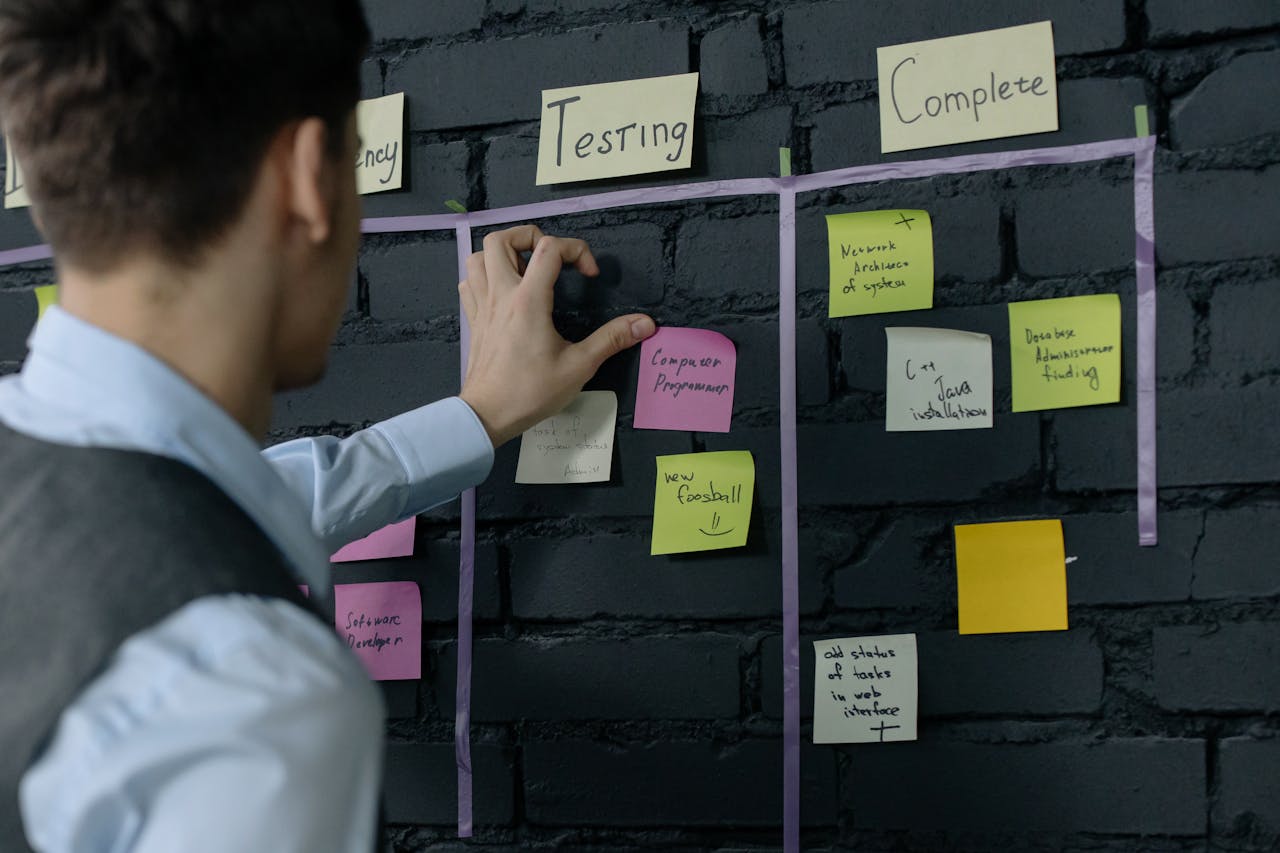
I wrote this post for other devs. But also hope potential clients catch a glipse at it and read on if they’re not aware of this method.
Agile methodology has become a cornerstone of modern software development — and for good reason. At its core, Agile is about delivering value quickly, adapting to change, and prioritizing communication over rigid planning. For system architects and full-stack developers like myself working with .NET and C#, Agile offers tangible, technical, and organizational advantages that can’t be ignored.
But while Agile works beautifully in theory, its execution depends heavily on real-world conditions, especially the structure of decision-making. One particularly effective setup I’ve encountered: working with a single point of contact — a client or stakeholder who owns the vision and feedback loop. It simplifies the Agile feedback cycle dramatically.
1. Faster Iterations, Fewer Bottlenecks
In traditional waterfall methods, we plan everything upfront, which often leads to months of development followed by massive revisions. With Agile, I can break a system into sprint-sized deliverables — maybe a working backend API in week one, and a polished UI component in week two.
In .NET development, this means:
- Rapid delivery of working Razor Pages, Web APIs, or Blazor components.
- Iterative deployment through CI/CD pipelines (e.g., Azure DevOps).
- Early integration testing to catch architectural misalignments before they compound.
2. Better Risk Management
Every sprint provides a checkpoint. If something doesn’t align — maybe an identity auth model doesn’t fit the client’s real workflow — we pivot. Early feedback prevents deep-rooted mistakes, especially when building scalable systems in .NET with complex service layers or dependency injection.
This reduces:
- Time wasted on over-engineered solutions.
- Misinterpretation of requirements.
- Long-term tech debt.
3. Simplified Communication with One Stakeholder
Here’s the caveat — and a tip.
Agile can get messy with too many cooks in the kitchen. When working with one client or product owner, it’s easier to:
- Clarify priorities in real-time.
- Validate features against a consistent vision.
- Avoid decision paralysis caused by conflicting input.
This simplicity accelerates decision-making. No endless email chains or second-guessing — just feedback, adjust, deploy.
4. Continuous Improvement (For Real)
In Agile retrospectives, developers actually reflect on what’s working. With a .NET backend project, that might mean refining Entity Framework query patterns or adjusting our logging pipeline to make debugging smoother.
It’s not just about shipping faster — it’s about getting better while you ship.
Conclusion
Agile isn’t just a buzzword — it’s a framework that supports real productivity when applied with discipline. As a systems engineer and web developer, I’ve seen it reduce waste, improve architecture decisions, and keep projects tightly aligned with actual user needs. And when you’re lucky enough to consult with just one clear, empowered decision-maker? Agile’s strengths shine even brighter.


 EN
EN  FR
FR
Hi, this is a comment.
To get started with moderating, editing, and deleting comments, please visit the Comments screen in the dashboard.
Commenter avatars come from Gravatar.