

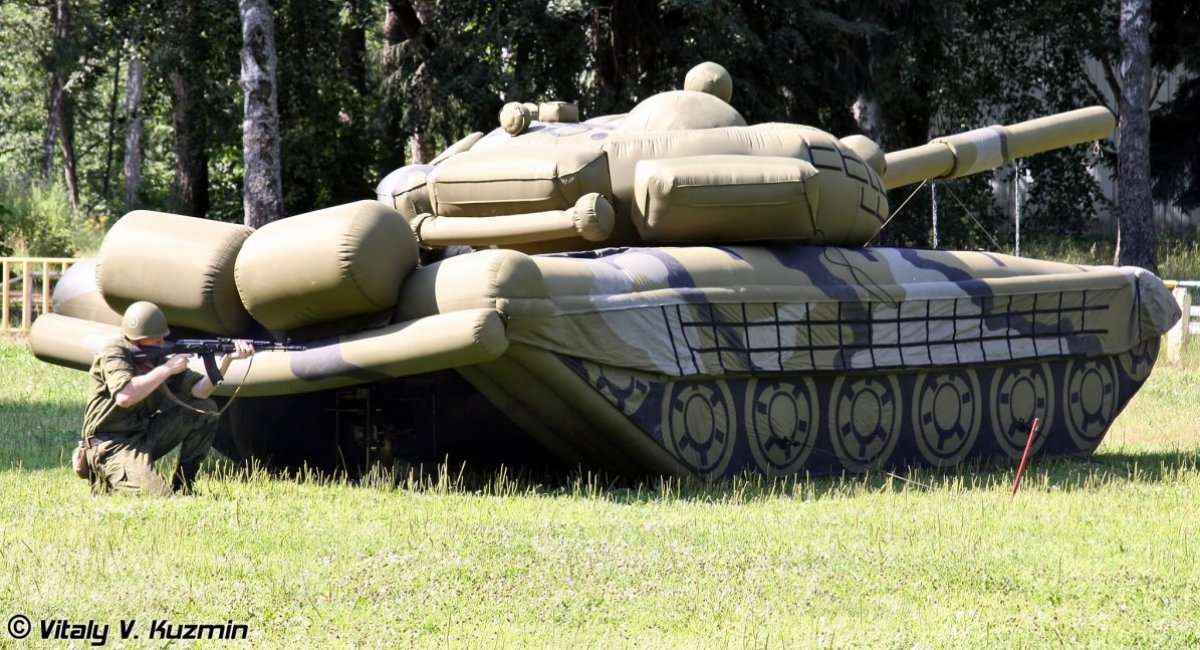
The 2026 US-Israel-Iran conflict has turned social media—especially X—into a battlefield of disinformation. Viral clips, AI fakes, and exaggerated claims flood feeds, often amplified by state actors and echo chambers. Here’s a breakdown of five hot claims you mentioned. I verified each using credible reports, satellite imagery, fact-checks, and on-platform trends. For each, I’ve included a representative image (or closest available visual of the circulating claim/debunk). Verdict at the end of every section.
1. Inflatable military vehicles (fake tanks, jets, helicopters) to trick modern US bombings
The claim (viral on X): Iran imported ~900,000 cheap Chinese inflatable decoys that look real from satellites/drones. US/Israeli missiles are “wasting millions” blowing up balloons instead of real assets.
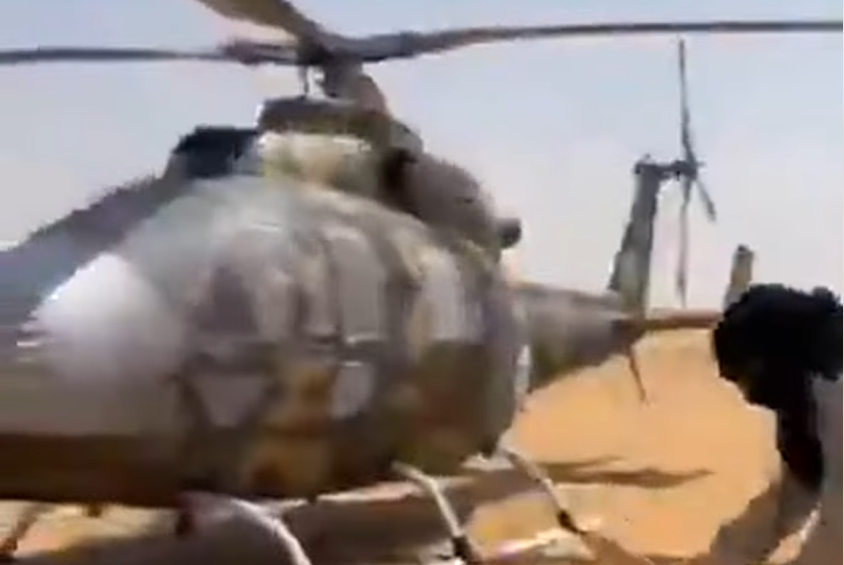
Iran’s Inflatable Army: 900,000 Decoys “Confuse US Strikes” – Pakistan Today – Pakistan Today
Iran’s Inflatable Army: 900,000 Decoys Confuse US Strikes – Pakistan Today – Pakistan Today
Verification: Decoys are a real, decades-old tactic (used by Iran, Russia, others). Recent footage shows painted silhouettes and inflatable mock-ups on Iranian bases. Viral posts hype massive Chinese imports and “balloon hits,” but no independent confirmation of 900k scale or huge US waste. Some videos are old/mismatched Russian-style gear or satire.
Does it trick modern US bombings? Limited effect at best. Inflatable/visual decoys can fool basic satellite reconnaissance or early targeting, forcing expensive precision-guided munitions (PGMs) to waste payloads. But today’s US systems use GPS/INS, multi-spectral sensors, IR/thermal imaging, and real-time drone intel—simple balloons lack matching heat signatures or radar cross-sections without advanced tech (heaters, emitters). Experts call it clever asymmetric warfare, not a game-changer.
Verdict: Partially true tactic + heavy exaggeration. Classic propaganda to portray Iran as outsmarting superpowers. Real decoys exist; the “900k balloons fooling America” scale is hype.
2. Video of a high-rise building in Israel bombed… but someone filmed it intact?
The claim: Dramatic clips show Iranian missiles slamming Tel Aviv skyscrapers (collapsing towers, massive fireballs). Counter-footage supposedly proves the building was fine.
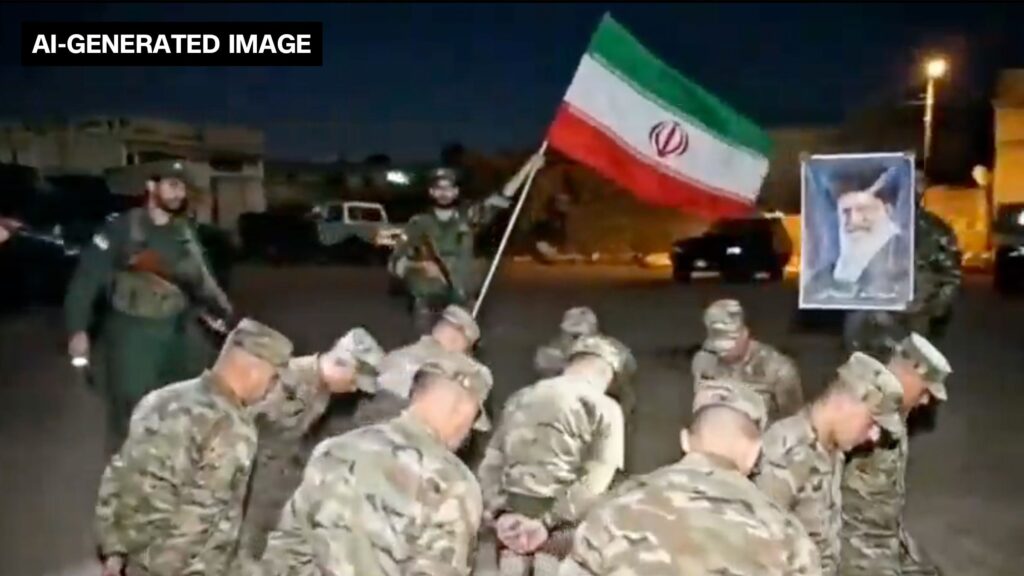
Fake, AI-generated images and videos of the Iran war are spreading on social media | CNN Politics
Fake, AI-generated images and videos of the Iran war are spreading on social media | CNN Politics
Your Attractive Heading
Verification: Multiple viral videos (millions of views) analyzed as AI-generated (Sora tool, Hive Moderation 99% probability). Artifacts: impossible physics (antennas collapse pre-impact, smoke defies gravity, deformed cars untouched). Real Iranian strikes hit central Israel March 2026 with some debris/fires and minor injuries—but no verified high-rise collapses matching these clips. Fact-checks from AFP, Lead Stories, DW, Honest Reporting confirm repurposed/old footage or pure AI fakes.
https://www.yahoo.com/news/articles/fact-check-video-does-not-014949987.html
Verdict: Straight-up fake propaganda. The “building was ok” counter is often seen by 10,000 people while the original clip reached millions… So the war on information is working on paper, which is why governments invest so much in it.
3. Bombing of Dubai commercial center
The claim: Iran bombed Dubai’s commercial heart (airport, datacenters, economic zones).
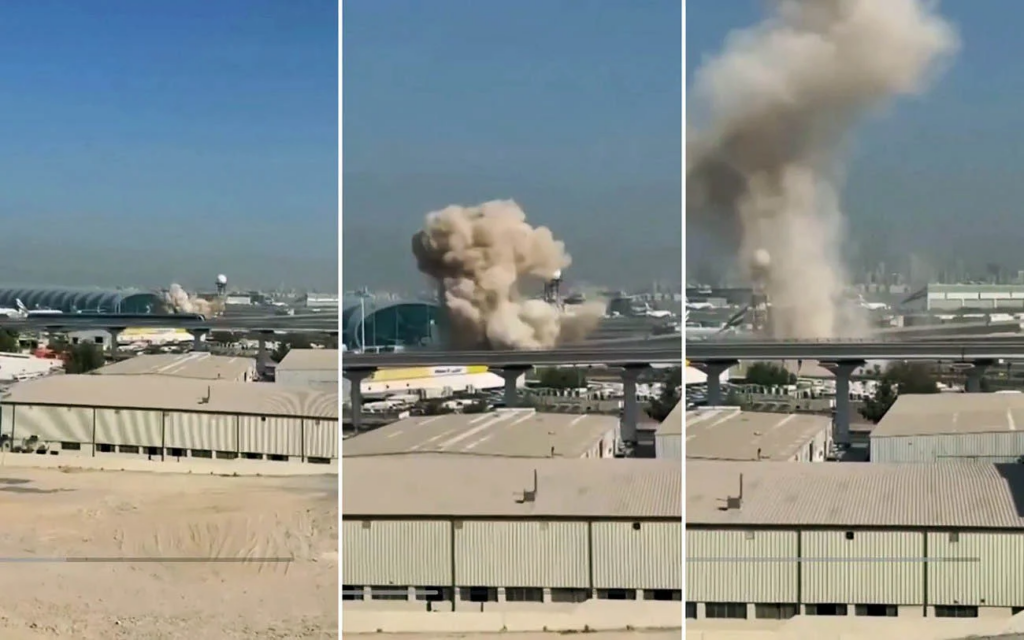
Verification: Confirmed escalation. Iran launched missiles/drones at Dubai International Airport, commercial ships in the Gulf, AWS datacenters, and oil facilities in retaliation. Reports note explosions, wounded civilians, flight disruptions, and economic ripple effects. UAE arrested people for sharing “provocative” footage; some Iranian claims exaggerated casualties (e.g., 100+ Americans killed—denied by US). Not just propaganda—real strikes that shattered Dubai’s “oasis of calm” image.
Verdict: Legitimate attack (part of wider Gulf front). Footage is real, but Iranian state media and allies amplify damage while UAE downplays. Not a hoax—actual information warfare around scale and responsibility.
4. Iran destroyed all but one US detection radars in the region
The claim: Iranian strikes wiped out nearly every US missile-defense radar across the Middle East.
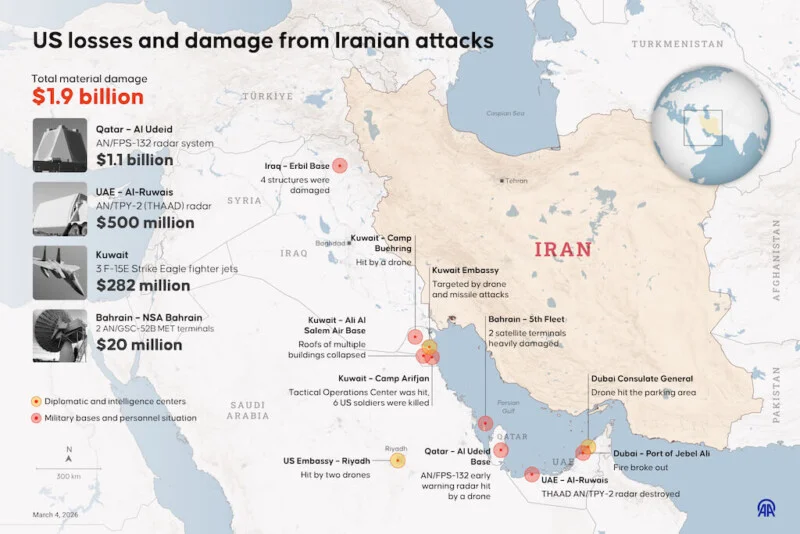
Verification: Strong confirmation on several high-value hits. Satellite imagery + US officials verify destruction/damage to: AN/TPY-2 THAAD radar (Jordan, ~$300–500M), AN/FPS-132 early-warning radar (Qatar), plus systems in Bahrain/UAE. NYT/CNN/Bloomberg reports show at least 7–10 sites affected (radomes, comms infrastructure). Not literally “all but one,” but a major blow to regional missile defense—costing ~$2B in equipment and forcing reliance on scarcer Patriots. Iran used cheap drones/missiles effectively.
https://militarywatchmagazine.com/article/iranian-drone-destroy-radar-thaad
Verdict: Mostly legit and a real Iranian tactical win (you were right—confirmed). The “all but one” phrasing is slight hype, but the radar campaign succeeded beyond initial expectations.
5. Trump begging Putin to help stop the Iran war
The claim: Clips/memes show Trump desperately calling Putin to intervene and end the conflict.
Verification: Phone calls happened. Trump described them positively (“good talk,” Putin “wants to be helpful”). He publicly said Putin “might be helping Iran a little bit” and floated sanctions relief. No evidence of “begging”—no transcripts, leaks, or videos show desperation. Iranian/Russian-aligned accounts twist neutral diplomacy into humiliation. Fact-checks find zero substantiation; it’s classic spin.
Verdict: False propaganda. Calls occurred, but the “begging” narrative is fabricated to portray US weakness.
Bonus Fact-Check: Tourist in Dubai Arrested After Filming Iran Missiles
The claim (circulating on X and elsewhere): A tourist (often specified as British) was arrested in Dubai for posting or sharing video of Iranian missiles flying over the city during the attacks.
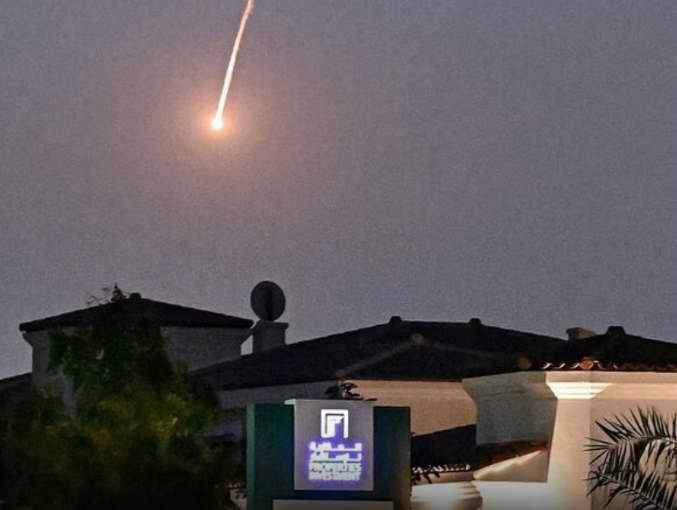
(Representative image: A still from circulating footage showing what appears to be a missile trail over Dubai skyline at night—widely shared before UAE crackdowns; sourced from public reports on the incidents.)
Verification: This is confirmed and legitimate. Multiple credible sources (BBC, The Guardian, CNN, CBS News, Detained in Dubai advocacy group, and others) report that a 60-year-old British tourist (from London, unnamed publicly) was arrested and charged under UAE cybercrime laws. He allegedly filmed Iranian missiles overhead in Dubai but deleted the video immediately when challenged by authorities—yet was still detained and charged.
Key details:
- He is one of 21 people (tourists, expats, influencers, locals of various nationalities) charged together in connection with videos, photos, social media posts, reposts, comments, or even possession of material related to the Iranian missile/drone strikes.
- UAE laws prohibit publishing/sharing content that could “disturb public security,” spread “rumors,” incite panic, or show attack sites/projectile damage. Penalties: minimum 2 years prison + heavy fines (up to ~$54,000), with potential stacking of charges.
- Authorities (including plainclothes police) actively enforce this; the UAE Attorney General and officials warned against circulating such imagery for “national security and stability” reasons (e.g., avoiding panic or aiding enemy intel). UK Foreign Office is assisting the man; the British Embassy issued travel warnings about it.
- Broader context: This fits the UAE’s clampdown on any digital content depicting the attacks (e.g., explosions at airport, datacenters, Palm Islands), as the city tries to maintain its “safe oasis” image amid real strikes that caused injuries, deaths, flight halts, and economic hits.
Verdict: True—not propaganda or exaggeration. The arrests are real and part of official UAE policy to control information flow during the conflict. It underscores how even tourists can get caught in information warfare crackdowns: filming “for fun” or curiosity can lead to serious charges, even if nothing was ultimately posted.
Conclusion: Information Warfare 2.0 — Who’s Driving It & Where?
This conflict proves modern wars are won as much in the info space as on the battlefield. The main actors:
- Iranian state/IRGC accounts and proxies: Flooding X, Telegram, and Instagram with AI-generated “victory” videos (high-rises exploding, radars gone).
- Chinese government-linked content farms: Repost/amplify each other (e.g., decoy stories tie into “China helps Iran” narratives); state reps on X push the line.
- Western “journalists” tied to state media (RT, Press TV affiliates) and declared influencers: Give fake clips credibility.
- Iran accounts boosted by Western liberals/protest crowds: Well intentioned, anti-US-war voices on western social media repost Iranian claims uncritically to oppose “US imperialism.”
- Russian state media (Sputnik etc.) acts as amplifier.
- Meanwhile, pro-US nations offer no refuge to the truth, either. The mainstream media is always biased. The opposition parties rejoice if the war is a failure, for political reasons, while also being in favor of it, ideologically and financially. And US, UK and UAE will harass/arrest people for posting online…
Primary platforms: X (fastest spread), TikTok/Instagram (visual fakes), Telegram (closed echo chambers). Cheap AI tools make it trivial—anyone can generate “proof.” Lesson? Cross-check satellite imagery, official confirmations, and multiple fact-checkers. In info wars, the first casualty isn’t truth—it’s trust. Stay skeptical, verify, or you’re just another pawn in the propaganda machine.

 EN
EN  FR
FR