

Behind Dubai’s tax-free luxury, artificial islands, and billionaire lifestyle lies a disturbing system of migrant exploitation that the world has largely chosen to ignore.
Watch the documentary: The Incredibly Satisfying Collapse of Dubai
Dubai sells the world a dream: spectacular architecture, luxury living, personal freedom, and limitless opportunity.
But who pays for that dream?
1. Thousands of deaths, with questions left unanswered
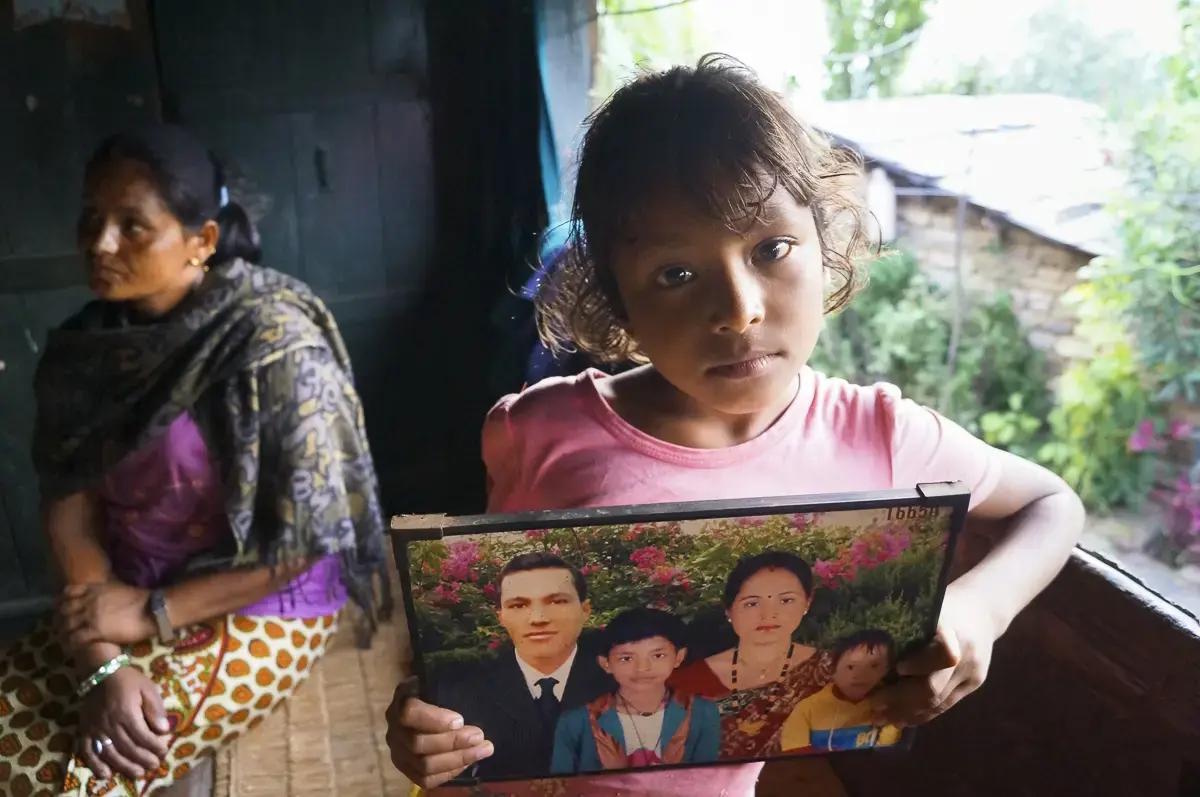
The documentary highlights one of the most disturbing aspects of migrant labor in the Gulf: the reporting and investigation of worker deaths.
It cites estimates of up to 10,000 migrant-worker deaths annually across the Gulf states, claiming that more than half are recorded as unexplained natural causes or cardiac arrest without adequate investigation.
The central concern is not simply how many workers die, but whether the causes of their deaths are properly established.
Extreme heat, strenuous labor, and inadequate protection raise serious questions about whether occupational factors are being overlooked.
The documentary also recounts the 2011 death of a Burj Khalifa construction worker following a dispute over unpaid wages and emergency leave. It contrasts this case with the implausibly low official death toll reported for the tower’s construction.
These specific figures and allegations require independent verification. But the broader issue deserves scrutiny: without transparent mortality data and credible investigations, the true human cost of construction remains difficult to establish.
2. Kafala: The system behind the exploitation
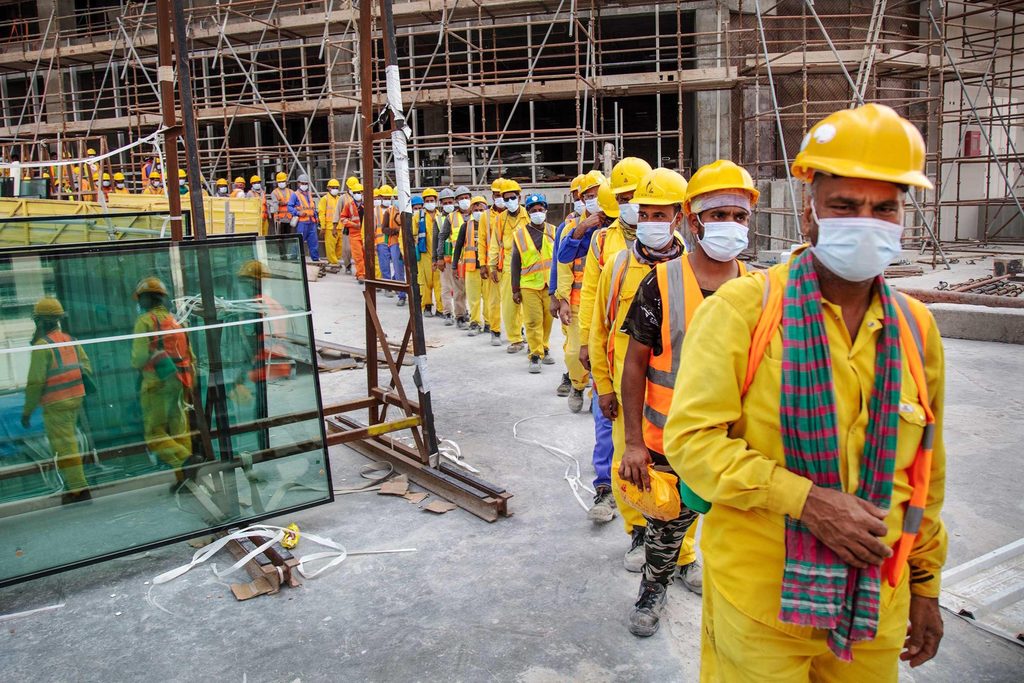
The documentary identifies the kafala system as a central mechanism enabling worker exploitation.
Under employer-sponsored employment arrangements, migrant workers’ residency has historically been tied closely to their employer. Although the UAE has introduced reforms, workers can still face significant practical barriers when attempting to change jobs, recover unpaid wages, or escape abusive employment.
The documentary describes a familiar pattern:
- Workers borrow thousands of dollars to pay recruitment agents.
- Their passports are confiscated after arrival.
- Employment contracts promising decent wages are replaced with less favorable terms.
- Salaries are withheld for months.
- Workers who attempt to escape risk losing income and facing immigration consequences.
The result is a trap: workers arrive deeply indebted, only to discover that leaving an abusive employer may be almost as difficult as enduring the abuse.
Recruitment fees charged to workers in violation of UAE law and passport confiscation are documented problems. Legal reforms exist, but enforcement remains a critical issue.
A worker who cannot recover their passport, collect their wages, or afford a ticket home is not meaningfully free to leave.
3. A city designed not to see its workers
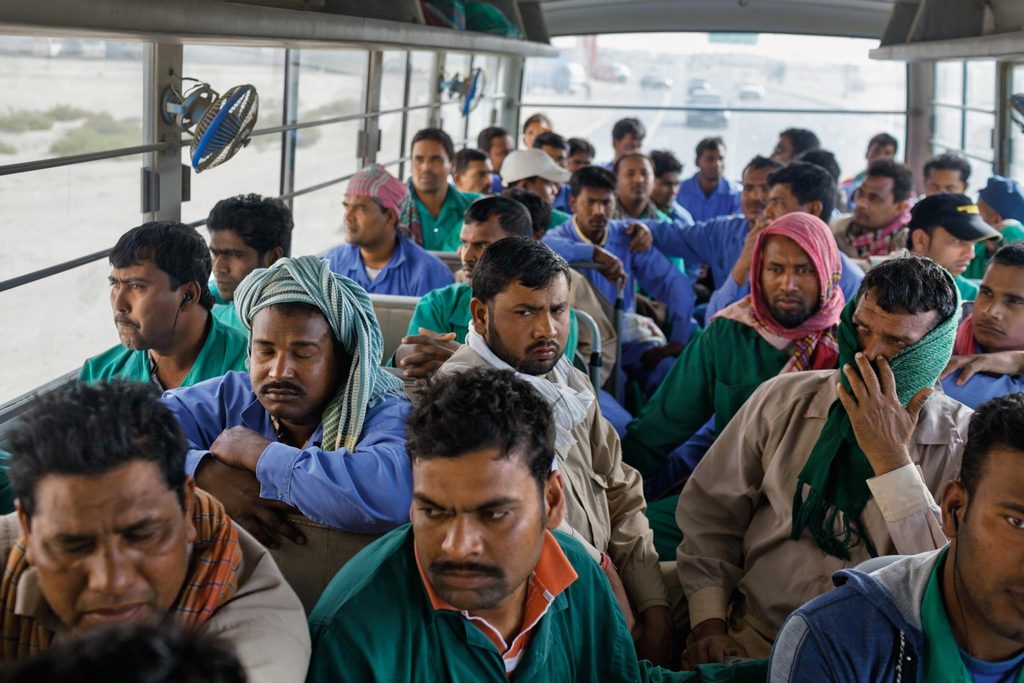
One of the documentary’s most striking observations is how physically separated Dubai’s workers are from its luxury lifestyle.
Tourists see infinity pools, supercars, designer boutiques, and gleaming skyscrapers. The workers who build and maintain those environments often live in crowded accommodation far from the tourist districts.
The documentary describes labor camps, overcrowded rooms, dangerous heat, inadequate sanitation, and long working hours.
This separation is more than an economic divide. It makes the workforce sustaining the city largely invisible to the people enjoying its attractions.
The same contrast appears in domestic work, where women recruited for household jobs may face withheld wages, restrictions on movement, and physical or sexual abuse.
Human Rights Watch has documented serious abuses affecting migrant domestic workers in the UAE.
The uncomfortable question is whether Dubai’s luxury image depends partly on keeping the conditions of its workforce out of sight.
4. The international complicity nobody wants to discuss
The documentary does not place responsibility solely on the UAE.
It points to Western universities, governments, businesses, investors, and wealthy expatriates who benefit from projects and commercial relationships built on cheap migrant labor.
Its examples include allegations concerning the construction of New York University Abu Dhabi and labor abuses associated with major international developments.
Meanwhile, influencers are encouraged to promote Dubai as an aspirational destination, while the workers who make that lifestyle possible rarely appear in the promotional imagery.
This is the contradiction at the heart of Dubai’s international reputation: human rights feature prominently in corporate marketing, yet allegations of abuse can be forgotten when lucrative investments and prestigious projects are at stake.
The real price of paradise
Dubai’s achievements are real. So is the suffering documented by labor-rights organizations.
The question is whether a city should be celebrated as a model of modern civilization when serious questions remain about worker deaths, unpaid wages, recruitment debt, and the ability of vulnerable people to escape exploitation.
The documentary, The Incredibly Satisfying Collapse of Dubai, challenges viewers to look beyond the skyline and examine the system beneath it.
The most disturbing possibility is not that Dubai hides its poorest workers from tourists. It is that the world knows enough about their treatment to ask difficult questions—and repeatedly chooses the luxury, the money, and the spectacle instead.
Sources:
“Up to 10,000 Asian migrant workers die in the Gulf every year, claims report” — The Guardian, 11 March 2022. It reports that more than half of these deaths were unexplained and often recorded as “natural causes” or “cardiac arrest,” without proper investigation. Read the Guardian article
“Families mourn ‘devastating’ suicide rates among Nepal’s migrant workers” — The Guardian, 6 April 2023. It reports that almost 12% of Nepali migrant workers who die abroad, mainly in the Gulf and Malaysia, died by suicide. That is 12% of recorded migrant-worker deaths—not 12% of all Nepali migrants. Read the Guardian article