
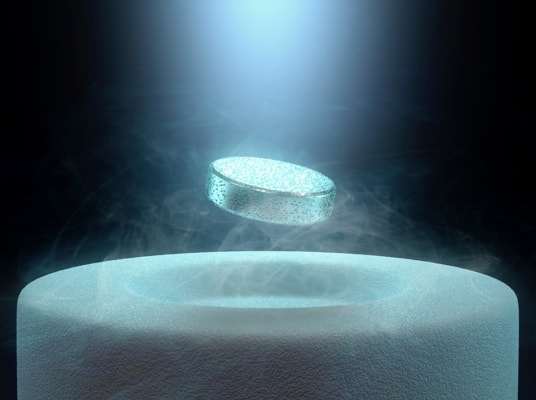
In July 2023 a small Korean team posted preprints claiming LK-99—a copper-doped lead apatite—conducted electricity with zero resistance at room temperature and ordinary pressure. The material was simple: mostly lead, phosphorus, oxygen and a little copper. Videos showed a small sample partially levitating over a magnet. Online hype compared the discovery to the transistor. Claims followed for cheaper MRI machines, easier fusion reactors, maglev trains, electric motors without cooling, power cables and even quantum computers.
Philip E. Mason (Thunderf00t), a British chemist who has followed superconductivity research for decades, pointed out two separate problems.
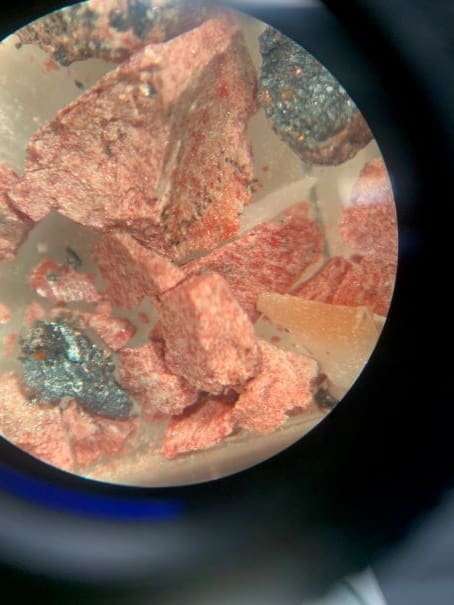
First, even if the claim had been true, the material would have changed almost nothing. High-temperature superconductors that work in cheap liquid nitrogen have existed since the late 1980s. They are ceramics. Ceramics are brittle, crack under stress and expand at different rates from metals. Turning them into reliable, long, flexible wires has proved extremely difficult. That is why the Large Hadron Collider, ITER fusion magnets and nearly every commercial MRI scanner still use conventional metallic superconductors cooled with expensive liquid helium. The mechanical properties of a brick-like ceramic kill most practical applications long before the transition temperature becomes an issue. Critical current limits, quench behaviour and fabrication costs (powder-in-tube silver tapes, vapour deposition) further restrict use. Thirty years of high-Tc research produced only niche products. A room-temperature ceramic version would face the same barriers.
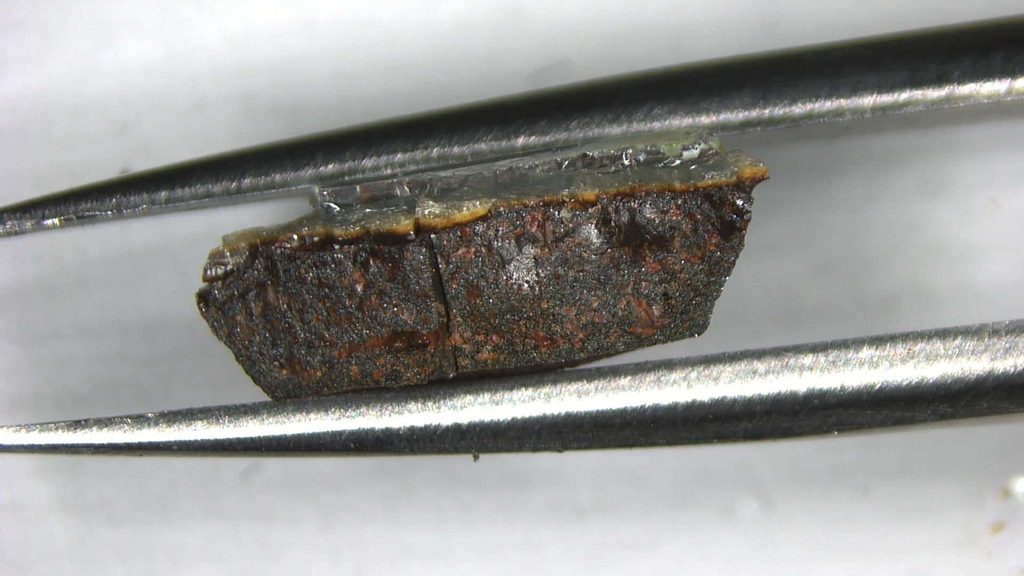
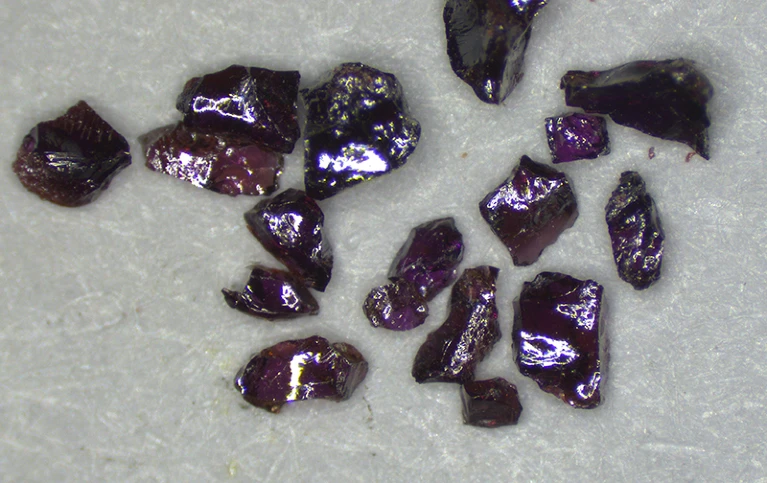
Second, the claim itself did not survive scrutiny. Independent laboratories worldwide quickly synthesised samples matching the reported composition and structure. Pure material turned out to be an insulator. Apparent drops in resistance and magnetic responses matched known phase transitions and impurities, especially copper sulphide, rather than superconductivity. By late August 2023 the scientific consensus was clear: LK-99 is not a room-temperature superconductor.
The episode fits a longer pattern. Superconductivity research often proceeds by mixing, heating and measuring because the underlying mechanisms remain hard to design from first principles. Similar cycles of excitement followed by limited delivery have marked high-Tc ceramics, quantum computing and other fields. A genuine ambient-pressure room-temperature superconductor with useful mechanical properties would be revolutionary. LK-99 was neither.