
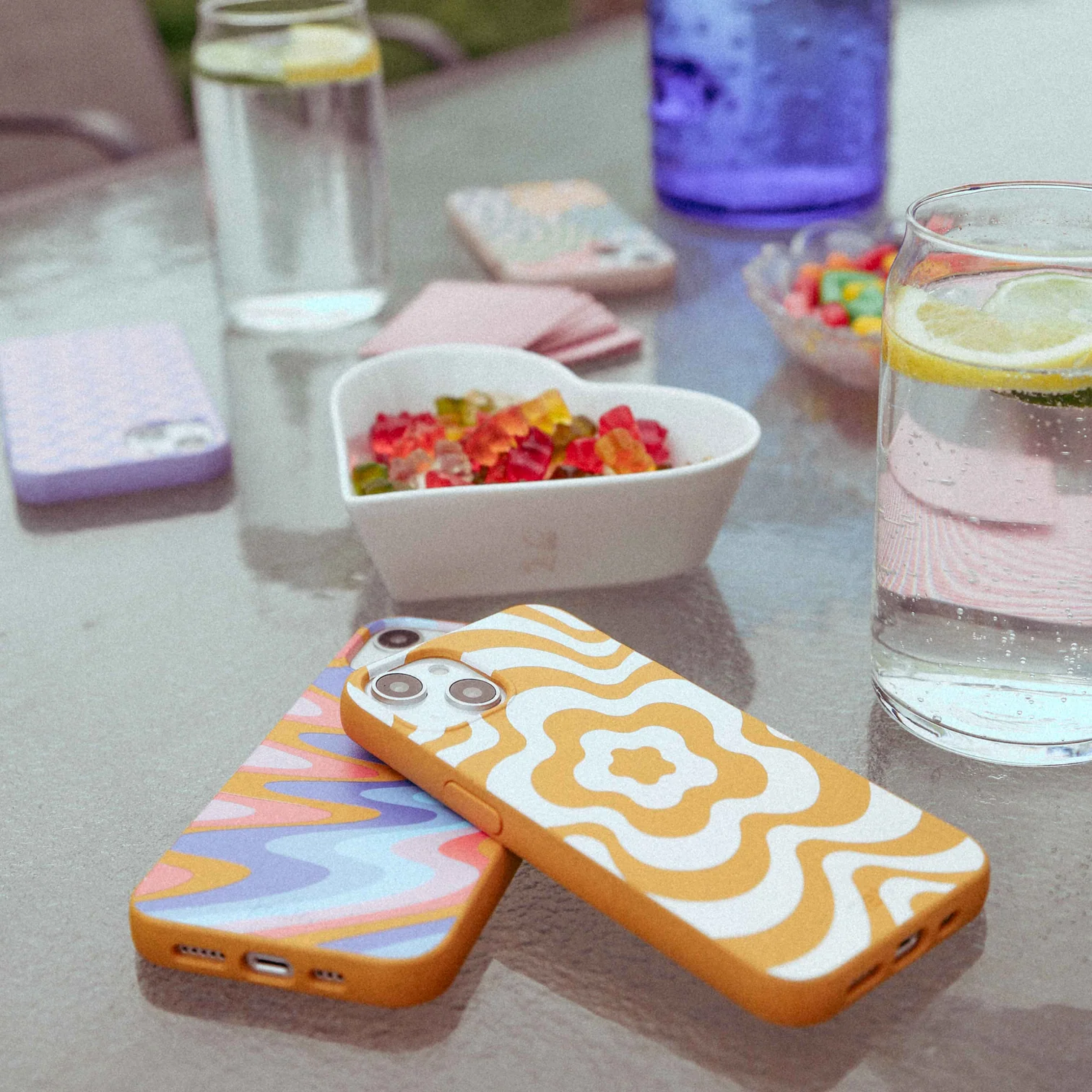
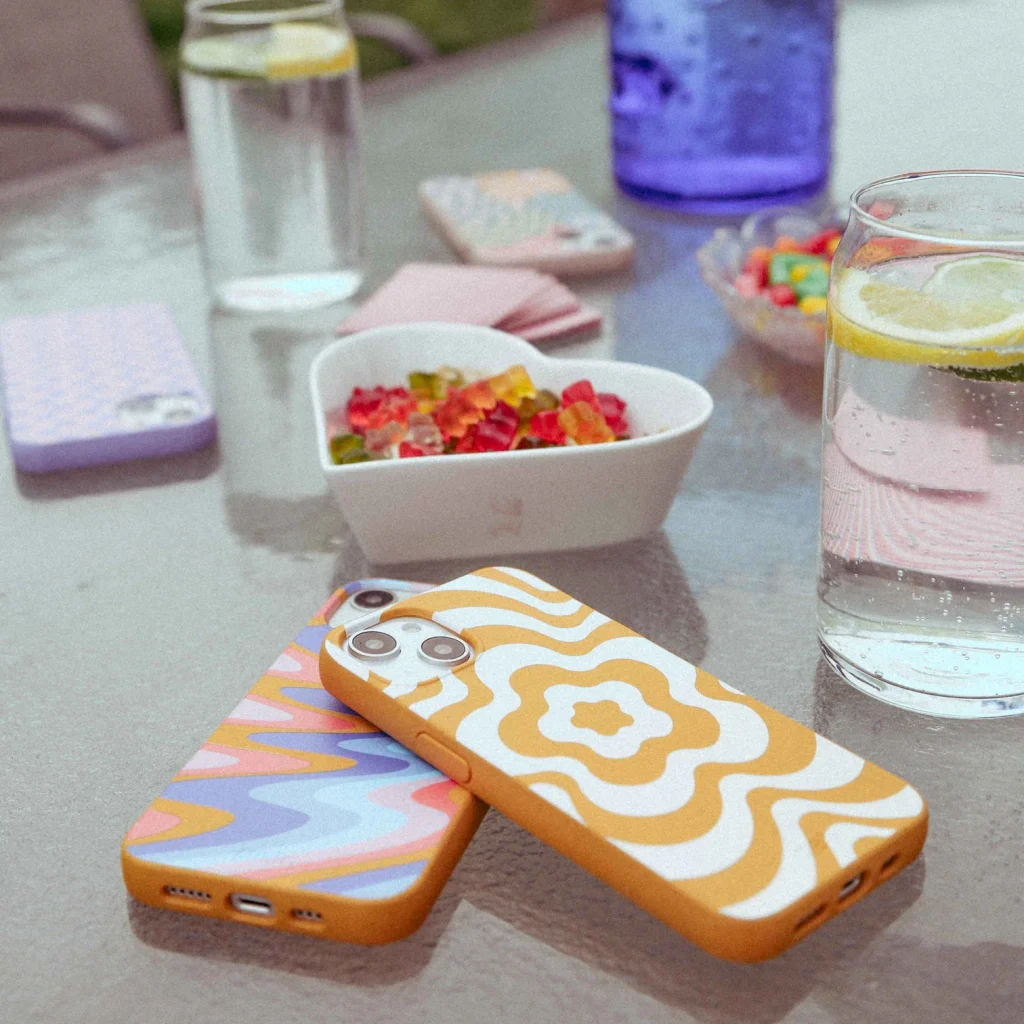
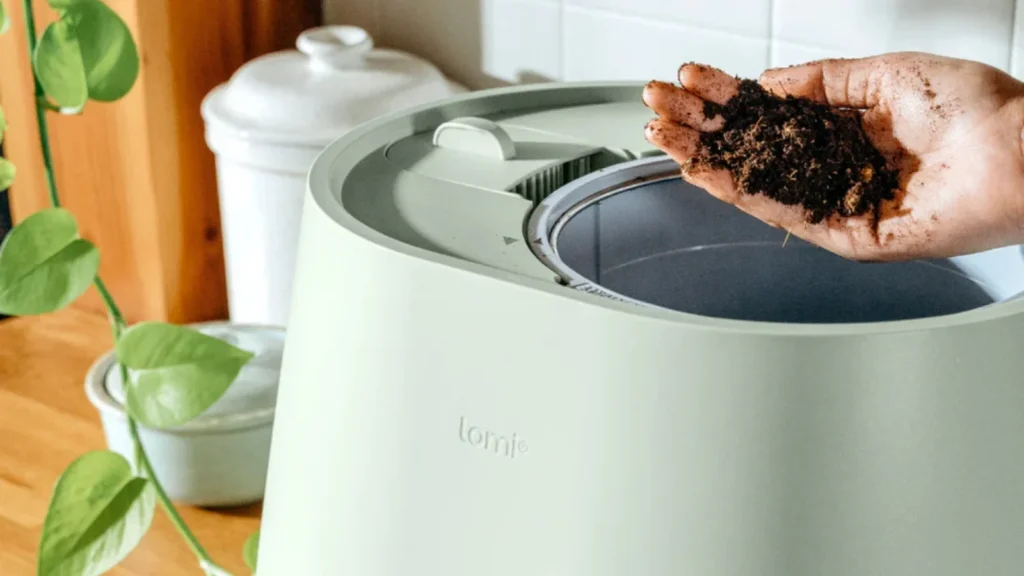
Pela sells compostable-looking phone cases and an insert called Ethos that supposedly protects users from “EMF radiation.” The same company also sells the Lomi, marketed as a high-tech home compost accelerator that turns kitchen scraps into useful dirt in hours. Both products lean heavily on environmental and health fears.
Philip E. Mason (Thunderf00t), a British chemist who has tested the claims, treats the marketing as coordinated greenwashing.
The Lomi is essentially a modified bread maker. It contains a mixing paddle, a circumferential heating element, and an insulated chamber. A cheap unmodified bread maker run on a standard three-hour cycle produces the same dramatic volume reduction by simply grinding the scraps and evaporating most of the water. The energy required to drive off that water is unavoidable; the machine must put it into the room as steam and heat. Filters mainly control odor. The resulting material is desiccated, partially broken vegetable matter, not finished biological compost. Independent user reports and side-by-side tests match this description.
The company’s own site displayed thousands of glowing reviews and almost no negatives. Attempts to post critical reviews were filtered. On platforms the company does not control (Indiegogo comments, Amazon, Reviewopedia), a consistent pattern appears: machines that work for weeks or a few months then fail (stuck grinders, error lights, sticky residues), automatic charcoal or filter subscriptions that are hard to cancel, and customer service that demands videos and lists of contents before offering limited help. The “no discounts, high development cost” messaging sat uneasily with rapid appearance of units on the second-hand market and later sales.
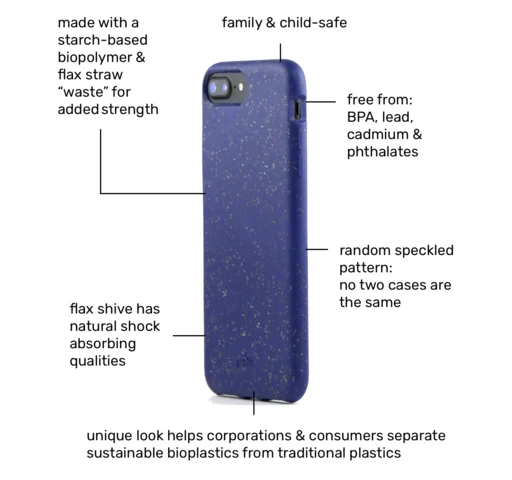
The phone cases follow a similar pattern. Marketing emphasized rapid compostability and “plant-based” materials. Real-world tests showed limited breakdown after months in soil. Roughly half the material is conventional plastic that does not compost; the plant fraction (flax fiber and bioplastic) improves the story more than the performance. Earlier decomposition videos used by the company did not match independent results.
Ethos, the radiation-reduction insert, continues the theme. Non-ionizing radio-frequency energy from phones and Wi-Fi produces only trivial heating at normal power levels. Decades of data show no clear health harm at those exposures. Conductive inserts can reflect energy toward the user or force the phone to increase transmit power, potentially raising exposure. Regulators have long warned against such products.
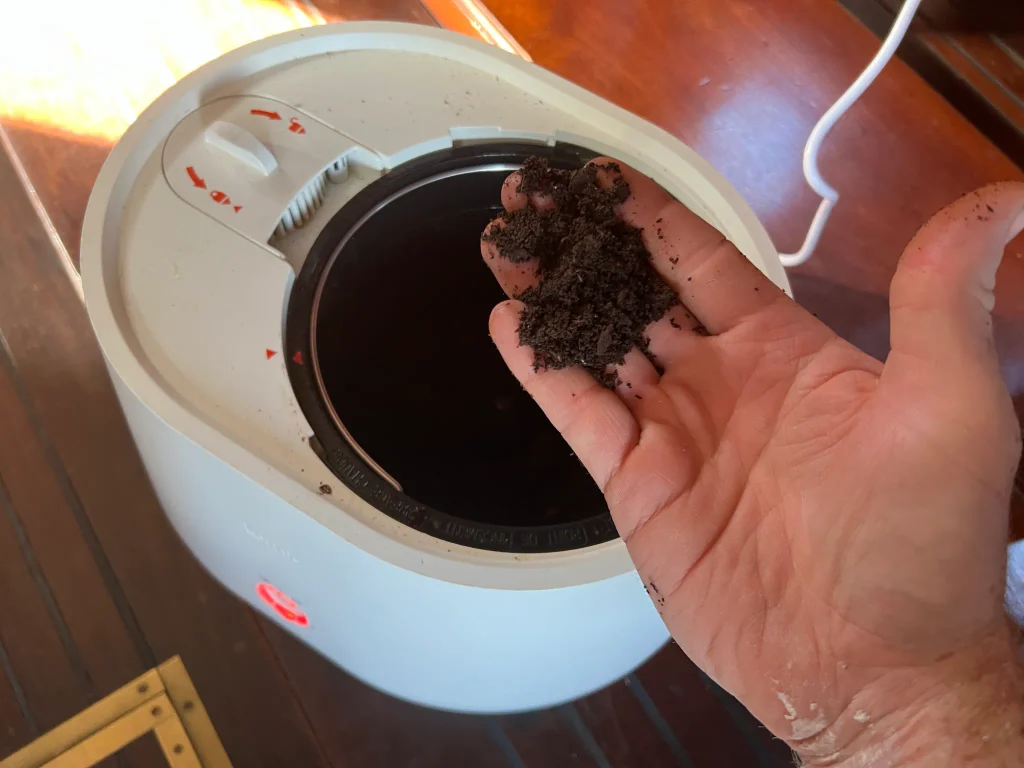
When the core claims about the Lomi were publicly demonstrated with a bread maker, the company responded with legal threats rather than technical rebuttal. The same approach was used against smaller critics. The combination of exaggerated environmental benefits, filtered reviews, auto-subscriptions, and aggressive legal responses forms a consistent pattern across both product lines.