

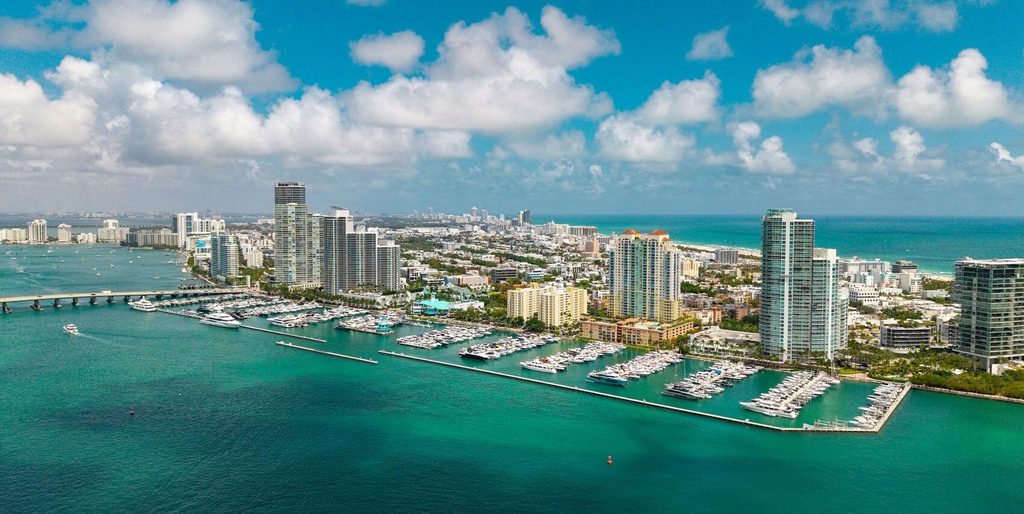
For years, Bali was where aspiring influencers went to film themselves working on laptops beside infinity pools; Miami is increasingly where they go when they want to look as though they have already made it. The city has become a magnet for crypto traders, OnlyFans creators, pickup artists, plastic-surgery enthusiasts and entrepreneurs selling the dream of extraordinary wealth. Its appeal is easy to understand: sunshine, nightlife, luxury property and Florida’s lack of a state income tax. The result is a city where almost every lifestyle seems to have its own personal brand, whether that means a yacht, a camera-equipped pair of sunglasses or a podcast explaining how to become a millionaire.
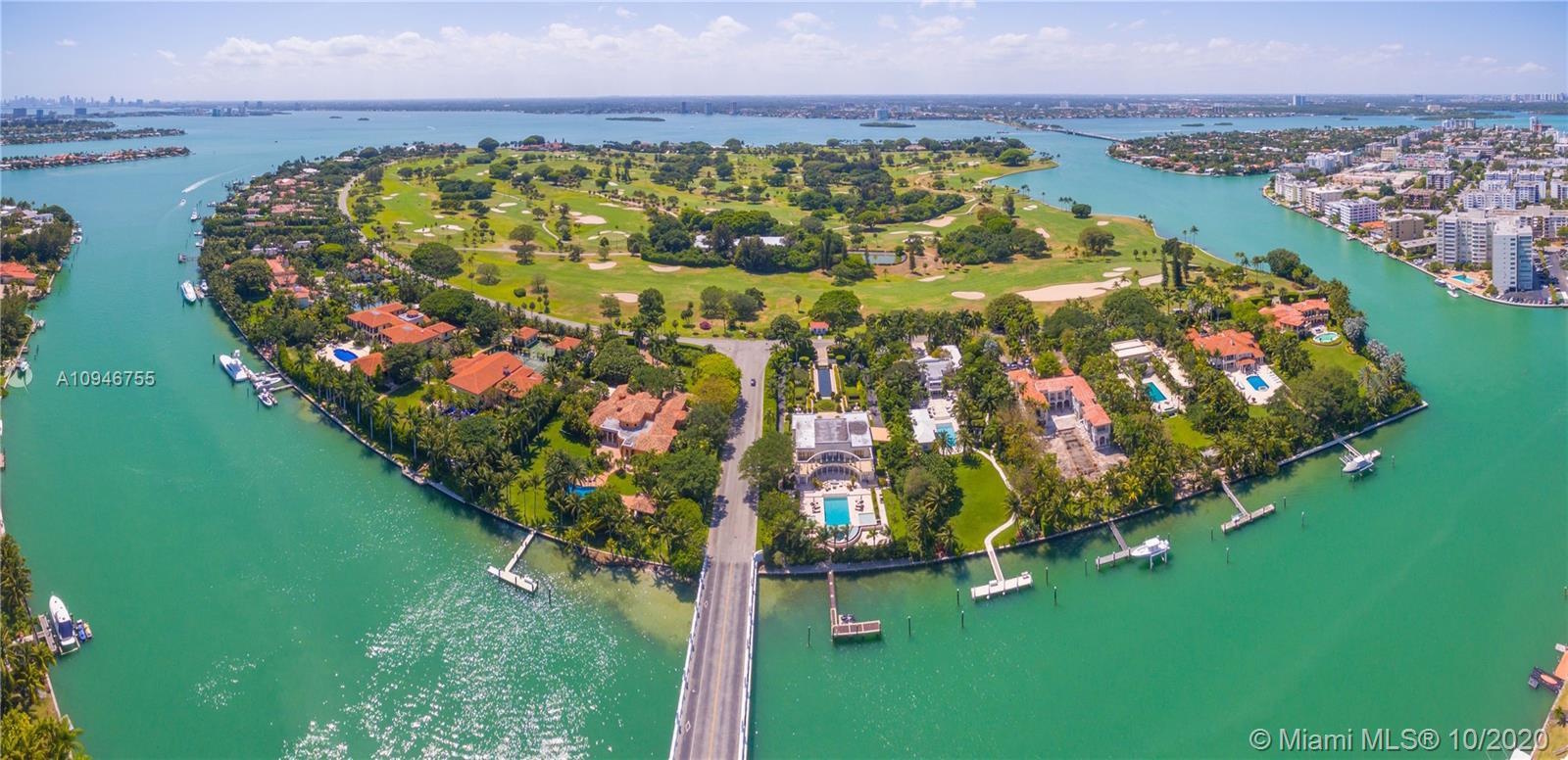
The serious money has arrived, too. Indian Creek Island, nicknamed “Billionaire Bunker,” is a heavily guarded enclave where billionaires can live behind gates and patrol boats. Jeff Bezos has bought property there, while tech fortunes have increasingly found their way to South Florida. Citadel moved its headquarters from Chicago to Miami in 2022, and in February 2026, Palantir announced that it was moving its headquarters from Denver to Miami. The city’s financial ambitions are no longer just a mayor’s sales pitch; major companies and some of the world’s wealthiest people are putting real money behind them.
Miami’s enthusiasm for the next big fortune has a much longer history than Bitcoin. In the 1920s, speculative developers sold land to investors who sometimes never even visited the properties, helping fuel a real-estate bubble that collapsed spectacularly. South Florida later became associated with savings-and-loan scandals, mortgage fraud and, more recently, dubious crypto projects and investment schemes. The video draws a direct line between those episodes and today’s appetite for NFTs, memecoins and fast money: Miami has repeatedly attracted people convinced that the next boom will make them rich before anyone else catches on.
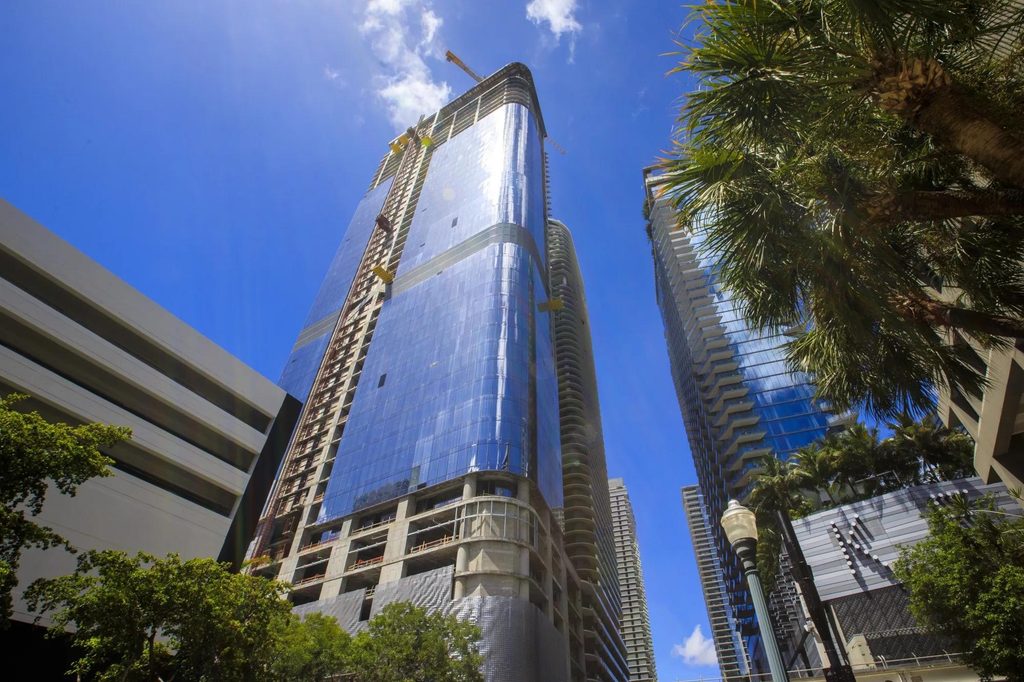
Even the luxury developments can feel like part of the performance. The 66-storey Aston Martin Residences was marketed with a private marina, helipad and beach-club access, while its top penthouse reportedly sold for $59 million. Yet after the building opened in 2024, residents raised complaints in lawsuits about problems including crumbling concrete and other defects; the promised helipad and beach-club access were also reported as unrealised. It is an almost perfect Miami story: a luxury brand stamped onto a tower, spectacular prices, and a gap between the glossy sales pitch and what buyers say they actually received. In a city built over swampland and endlessly remade to look like paradise, the dream of effortless wealth has found an appropriately theatrical home.