
For more than a century, industrial food promised to make nourishment cheaper, safer and available to everyone. It transformed agriculture, food preservation and distribution. But it also transformed what people eat, how food is produced and how the human body interacts with it. Now, as chronic disease, microbiome disruption and contamination become increasingly difficult to ignore, the food industry is preparing another revolution: synthetic ingredients, cultivated meat and meals manufactured in laboratories.
1. The original promise: feeding the world
The industrialization of food had an understandable starting point. Growing cities needed enormous quantities of affordable food, agricultural production had to become more efficient, and food needed to survive longer journeys. Famines, seasonal shortages and unreliable harvests provided powerful incentives to develop better preservation, storage and transportation.
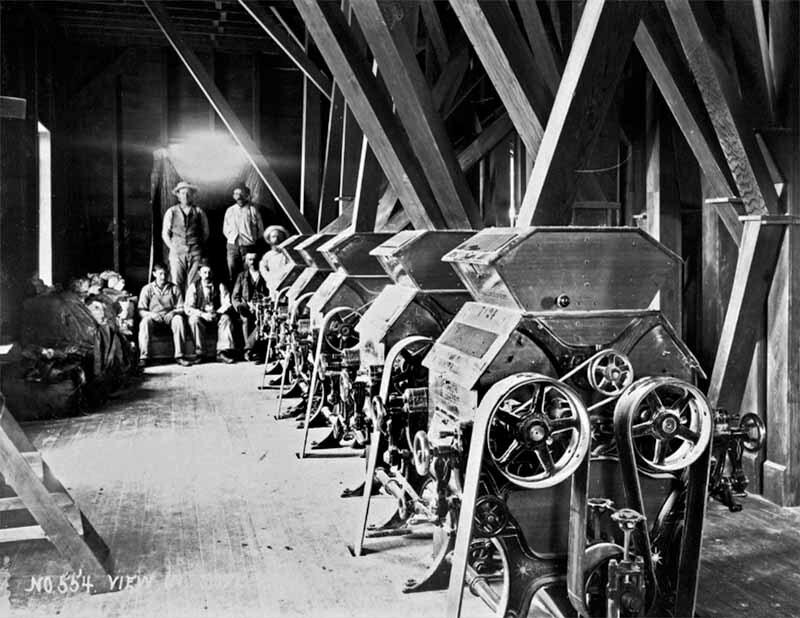
The nineteenth century brought major advances. Steam-powered transport connected distant agricultural regions to urban populations. Canning, condensed milk, commercial refrigeration and industrial milling made it possible to distribute food at unprecedented scale.
Roller milling, introduced commercially during the nineteenth century, allowed manufacturers to separate the wheat germ and bran from the starchy interior of the grain. The resulting white flour was finer, more uniform and easier to store and manufacture. It also contained considerably fewer naturally occurring vitamins and minerals than less-refined flour. Enrichment subsequently restored selected nutrients, but the original grain structure was gone.
The same transformation affected meat, dairy and fruit. Food was becoming more plentiful and convenient, but industrial processing was also changing its nutritional composition.
A particularly interesting historical argument comes from Paul Clayton and Judith Rowbotham’s 2009 study, How the Mid-Victorians Worked, Ate and Died.
The authors challenge the familiar image of Victorian Britain as uniformly unhealthy. They argue that people living between approximately 1850 and 1880 enjoyed remarkably good health, with high physical activity and diets rich in seasonal vegetables, fruit, whole grains, nuts and legumes. They estimate that degenerative disease was a fraction of modern levels.
Their central argument is that the subsequent expansion of imported, preserved and processed food coincided with a deterioration in nutritional standards, especially among the working classes. By 1900, physical deterioration had become sufficiently conspicuous to concern the British government.
2. Industrial food: when efficiency became the product
Traditional preservation techniques emerged from practical necessity. Fermentation, drying, smoking, salting and cooking allowed communities to preserve seasonal abundance and survive periods when fresh food was unavailable.
Fermentation is particularly revealing. Bacteria and fungi transform milk into cheese and yogurt, vegetables into kimchi and sauerkraut, and dough into sourdough bread. Microorganisms become part of the food-making process itself.
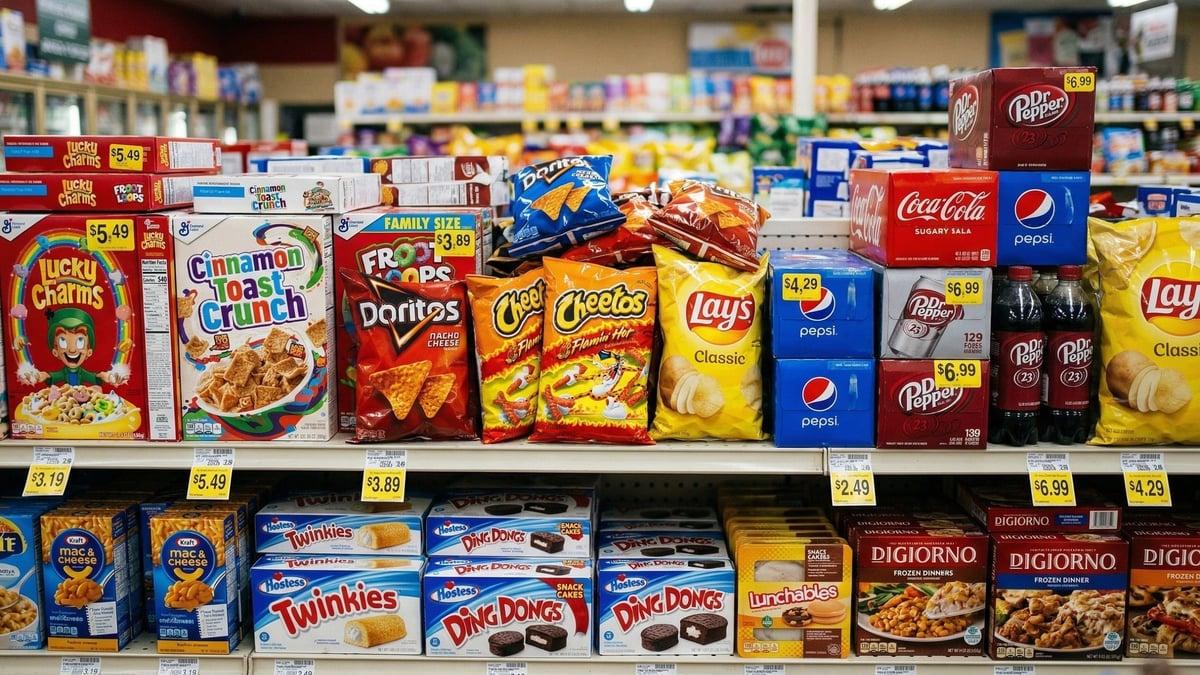
Modern ultra-processed foods operate according to a different logic. They frequently combine refined starches, protein isolates, industrial oils, flavour enhancers, emulsifiers, stabilizers, sweeteners and preservatives into products engineered for consistency, convenience and commercial appeal.
The objective is increasingly to manufacture a repeatable sensory experience rather than prepare a recognizable ingredient. It is marketing targeting basic human evolutionary preferences.
Modern manufacturers can engineer products around those preferences. Sweetness, texture, saltiness, aroma and mouthfeel can be adjusted to produce highly appealing combinations. Products are inexpensive, immediately available and designed to encourage repeat consumption.
In the 2019 NIH-controlled feeding experiment led by Kevin Hall, participants consumed approximately 508 additional calories per day while following an ultra-processed diet compared with an unprocessed diet. They gained weight during the ultra-processed phase and lost weight during the unprocessed phase.

This is the hypernovel food environment: ancient human appetites operating inside a technological environment capable of manufacturing almost unlimited combinations of attractive calories.
Food has also lost part of its social dimension. Cooking, sharing meals, preserving traditional recipes and eating together once connected food to family, geography and culture. Modern food consumption increasingly happens alone, in cars, between appointments or in front of screens.
We have reduced food to nutritional components and commercial convenience while overlooking the biological and social context in which humans developed their eating habits.
3. Chemical agriculture: what goes into food before it reaches the factory
The industrialization of food begins long before ingredients enter a processing plant. Modern agriculture increasingly depends on herbicides, pesticides, fungicides and chemical treatments designed to maximize yields, simplify harvesting and make large-scale crop production economically predictable.

Glyphosate, the active herbicide in Roundup, is one of the most widely used agricultural chemicals in the world. It is particularly important to the industrial grain economy because it allows farmers to control weeds across enormous cultivated areas.
In Canada, glyphosate is registered for pre-harvest weed control in cereals and other crops. Agricultural guidance warns that application timing matters because spraying too early can increase residues in harvested grain. This makes pesticide residues an important part of the discussion about industrial wheat, flour and everyday bread.
The International Agency for Research on Cancer classified glyphosate as probably carcinogenic to humans (Group 2A) in 2015. Its assessment identified sufficient evidence of carcinogenicity in experimental animals and limited evidence in humans.
In June 2025, researchers from the Ramazzini Institute published results from the Global Glyphosate Study in Environmental Health. Their two-year experiment exposed rats from prenatal development onward to glyphosate and two commercial herbicide formulations. They reported increased incidences of multiple benign and malignant tumors, including leukemia, across the treatment groups.
The question of agricultural chemical exposure is particularly relevant because these substances are introduced into food production on an enormous scale, creating repeated opportunities for human exposure through the food supply.
Regulatory approaches differ considerably. The European Union prohibits glyphosate use as a pre-harvest desiccant to control harvest timing or optimize threshing, although it continues to approve other uses until December 2033. Canada, meanwhile, permits specified pre-harvest weed-control applications. These differences matter when agricultural commodities move through international supply chains.
Sources: IARC glyphosate classification; Global Glyphosate Study, 2025; European Commission glyphosate restrictions.
4. Food additives and colourants
Another revealing feature of industrial food is the enormous number of chemical substances used to modify products during manufacturing.
These ingredients serve very specific commercial purposes. They preserve colour, improve texture, accelerate bread production, prevent separation, extend shelf life and make inexpensive ingredients resemble more desirable foods.
The regulatory differences between countries are particularly revealing. Some substances permitted in North America are not authorized in the European Union, while other ingredients remain permitted in Europe only with specific warning labels.
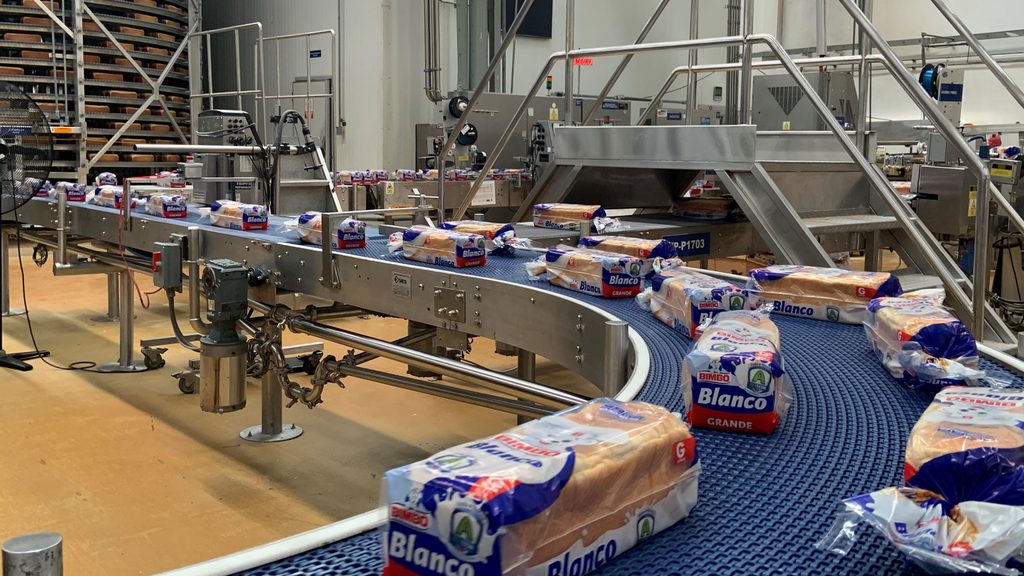
Azodicarbonamide (ADA) is a flour bleaching agent and dough conditioner authorized in the United States. It can be used in cereal flour and commercial bread production at concentrations of up to 45 parts per million. The FDA acknowledges that the substance produces semicarbazide during breadmaking. The European Union bans it.
Titanium dioxide (E171) is a whitening agent formerly used in confectionery, cakes, pastries and food supplements. The European Commission withdrew its authorization for use in European food products in 2022. The FDA’s current regulations continue to permit titanium dioxide as a US food colour additive, subject to a maximum concentration of 1% by weight.
Artificial food colourants provide another example. European regulations require products containing six particular synthetic dyes—tartrazine (E102), quinoline yellow (E104), sunset yellow (E110), carmoisine (E122), ponceau 4R (E124) and allura red (E129)—to carry a warning stating that they may adversely affect activity and attention in children.
Sources: FDA azodicarbonamide regulations; European Commission on food additives; European Commission titanium dioxide withdrawal; EFSA food colours.
5. A concentrated food industry with enormous reach
The industrial food system is dominated by increasingly powerful corporations operating across agriculture, processing, manufacturing, distribution and retail.
The concentration is particularly visible in essential sectors.
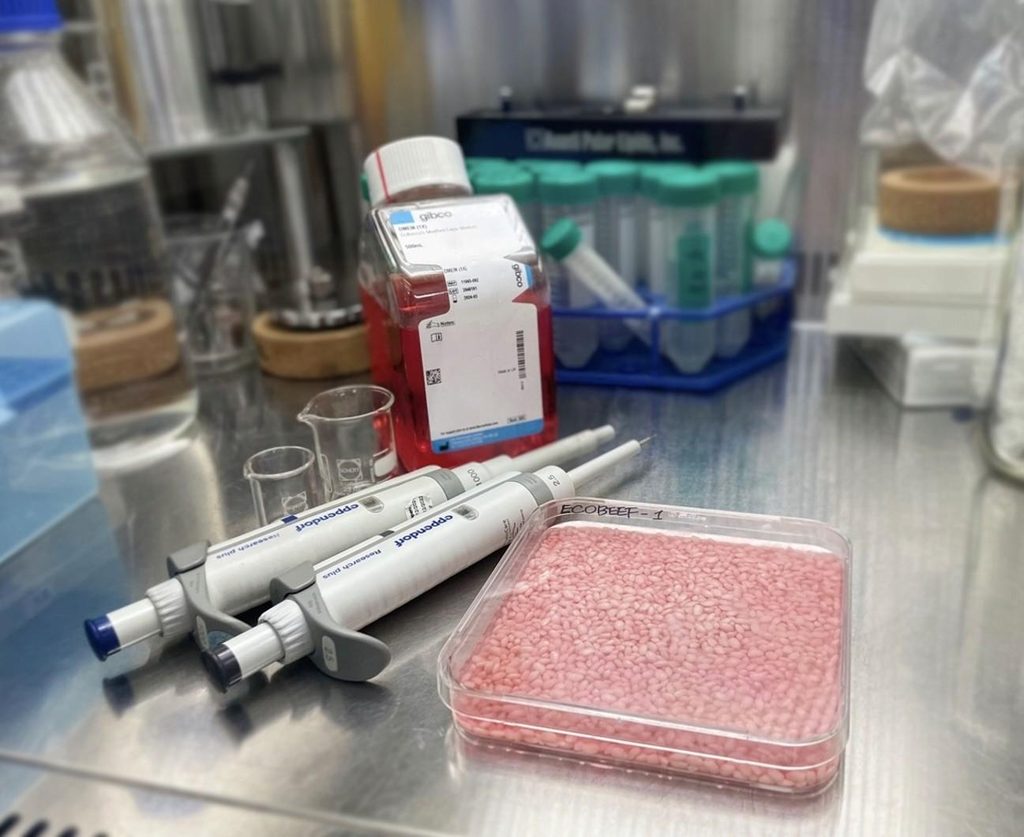
According to the USDA, the four largest American beef-processing companies handle approximately 85% of steer and heifer purchases. The four largest pork processors handle approximately 67% of hog purchases.
At the global level, research published in Nature Food by Jennifer Clapp examines the growing concentration of corporate power in seeds and agrochemicals. These companies influence agricultural markets, technological development and the policy environment surrounding food production.
This concentration has consequences beyond pricing. Large companies have the resources to influence which ingredients become standard, which production techniques receive investment and what kinds of food products dominate supermarket shelves.
The business model rewards scale, shelf life, predictable ingredients and the ability to manufacture products cheaply.
The second DarkHorse discussion also highlights a particularly revealing development: food manufacturers study consumer behaviour to improve their products. When weight-loss medications begin diverting customers away from conventional snack foods, manufacturers investigate how to redesign products to attract those consumers again.
The industry can spend enormous resources studying appetite, taste preferences and purchasing behaviour. The same sophistication is rarely visible in its commitment to protecting long-term nutritional health.
The competition is increasingly about controlling the consumer’s relationship with food.
6. Food safety: industrial scale, industrial consequences
One of the strongest promises of industrial processing was food safety. Standardized facilities, sanitation, refrigeration and laboratory testing were supposed to make food more predictable and eliminate many traditional hazards.
They prevent enormous amounts of illness, but the modern food supply continues to experience serious contamination disasters.
The CDC’s 2024 figures are revealing. American investigators confirmed 62 multistate enteric disease outbreaks, resulting in 2,605 reported illnesses, 861 hospitalizations and 36 deaths. Contaminated food accounted for 1,533 illnesses, 519 hospitalizations and 19 deaths among the solved outbreaks.
Salmonella caused 38 of the multistate outbreaks investigated. Seeded vegetables accounted for 754 reported illnesses, while contaminated ready-to-eat meats were responsible for two serious Listeria outbreaks, including one involving 65 illnesses and 10 deaths.
These are not isolated problems involving questionable street food. They involve industrially distributed vegetables, packaged meat, dairy products and ready-to-eat foods.
Centralized processing and long distribution chains mean that contamination can spread across multiple regions before investigators identify its origin.
The problem illustrates a contradiction at the heart of industrial food: the same concentration and distribution systems that make enormous quantities of food available can also amplify the consequences of a manufacturing failure.
And contamination is only one dimension of food safety. A product can pass every microbiological test while still contributing to a diet that damages metabolic and neurological health over time.
7. The microbiome: what industrial nutrition overlooks
One of the most important discoveries in modern biology is that humans are ecosystems.
The gut microbiome contains communities of bacteria and other microorganisms involved in digestion, immune regulation, metabolic signalling and interactions with the nervous system.
The consequences of disrupting these communities are becoming an important area of research.
Alan Logan’s work on Natural Environments, Ancestral Diets, and Microbial Ecology and Dysbiotic Drift: Mental Health, Environmental Gray Space, and Microbiota examines how modern diets and environments contribute to microbiome disruption.
The concept of microbiome deserts is particularly interesting. Urban environments with little contact with nature, manufactured surfaces, limited access to fresh food and highly processed diets can create conditions associated with reduced microbial diversity.
Their research connects these changes with a wider collection of problems, including inflammatory conditions, allergies, metabolic dysfunction, psychological stress and mental-health disorders.
The larger implication is that human nutrition cannot be understood solely by calculating calories, protein, carbohydrates and vitamins. Food also interacts with an enormous biological ecosystem inside the body.
Traditional fermented foods provide an interesting contrast to industrial formulations. Kimchi, for example, contains living communities of lactic-acid bacteria that participate in fermentation and create a complex food environment.
A striking 2026 study published in Bioresource Technology investigated a kimchi-derived bacterium, Leuconostoc mesenteroides CBA3656.
The researchers found that the bacterial strain could bind nanoplastics. It performed particularly well in simulated intestinal conditions and increased the amount of nanoplastic excreted in experiments involving mice.
The study identifies a food-derived microorganism with a potentially useful role in addressing plastic contamination.
This is a fascinating intersection of traditional food microbiology and modern environmental problems. While industrial products introduce new synthetic exposures, the microbial world associated with traditional fermented food may contain biological mechanisms capable of interacting with them.
8. Sugar replacements and the neurological consequences of synthetic sweetness
Artificial sweeteners are another example of the industrial approach to nutrition.
Sugar contributes calories and has been associated with metabolic problems when consumed excessively. Replacing it with a synthetic or non-nutritive sweetener appears to offer a convenient alternative.
But the biological consequences extend beyond calorie intake.
A randomized controlled study published in Cell in 2022 examined four non-nutritive sweeteners: saccharin, sucralose, aspartame and stevia.
The trial included 120 healthy adults. Each sweetener produced distinct changes in participants’ gut microbiomes and metabolic profiles. Saccharin and sucralose also impaired glucose tolerance, with the researchers identifying microbiome-related mechanisms behind the altered responses.
A 2022 preliminary human study examined the effects of regular sweetener consumption in 39 healthy adults aged 18–35. After six weeks, participants consuming sucralose showed decreases in overall memory, memory encoding and executive-function performance. EEG measurements also changed.
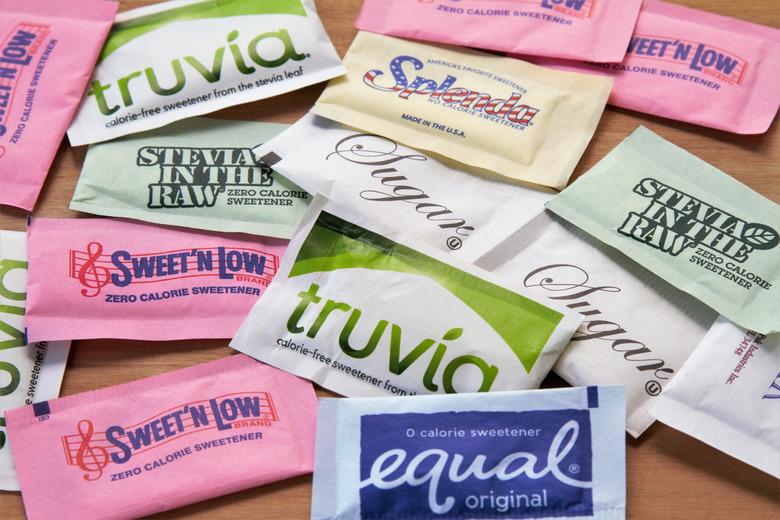
More recently, an eight-year study published in Neurology in October 2025 followed 12,772 adults in Brazil, whose average starting age was approximately 52.
Researchers found that greater consumption of low- and no-calorie sweeteners was associated with faster cognitive decline. Among participants younger than 60, higher consumption was associated with faster deterioration in global cognition and verbal fluency. Aspartame, saccharin, acesulfame potassium, erythritol, sorbitol and xylitol were among the sweeteners investigated.
This is particularly concerning because these substances are increasingly embedded in everyday products marketed as healthier alternatives.
The relationship between dietary exposure, microbial changes, metabolism and cognitive function deserves far greater attention. Cognitive health is not simply an issue for the elderly. The research is examining changes in people during their thirties, forties and fifties.
9. MSG: the flavour engineering of industrial food
Monosodium glutamate is another ubiquitous ingredient used to intensify savoury flavour.
MSG was introduced as a commercial flavour enhancer in the early twentieth century. Today it appears in packaged foods, seasonings, sauces, snacks and restaurant products.
Its commercial usefulness is obvious: it makes products taste more savoury and reinforces flavour.
A 2024 systematic review in Food Science & Nutrition collected 14 studies examining MSG exposure and its relationship with gut microbial changes and metabolic dysbiosis.
The research identified changes involving intestinal microbial communities and metabolic pathways, including the metabolism of trimethylamine, branched-chain amino acids and vitamin B6. It also examined associated liver and kidney effects.
MSG is an example of how industrial food can engineer flavour independently of the original nutritional content of an ingredient.
The more manufacturers rely on isolated flavour compounds and additives to produce desirable products, the further food moves away from the traditional relationship between ingredients, preparation and biological nourishment.
10. Microplastics: the contamination we cannot see
Industrial food production also exists inside an environment saturated with synthetic materials.
Plastic packaging, processing equipment, storage containers, water systems and agricultural materials create multiple opportunities for microscopic plastic particles to enter food.
Microplastics and nanoplastics have been detected in drinking water, food and human tissues. Their presence has become an important question in research on inflammation, intestinal health and metabolic disease.

A 2024 study published in The New England Journal of Medicine detected microplastics and nanoplastics in human carotid artery plaques. Their presence was associated with a higher incidence of cardiovascular events during follow-up.
Plastic contamination is particularly concerning because exposure is cumulative and difficult to avoid in modern industrial environments.
The food system is increasingly composed of products that travel through complex manufacturing chains, remain packaged for extended periods and interact with synthetic materials at multiple stages.
The question is no longer simply whether a particular product contains plastic particles. It is how a lifetime of exposure interacts with the microbiome, intestinal barriers and other biological systems.
9. The next food revolution: cultivated meat and laboratory meals
Rather than reconsidering the foundations of industrial food, the industry is moving toward another technological leap.
Cultivated meat, precision fermentation, engineered proteins and hybrid foods are being developed as alternatives to traditional agriculture.
The promise is familiar: reduce land requirements, improve efficiency, lower emissions, standardize production and make food available independently of climate, geography and agricultural conditions.
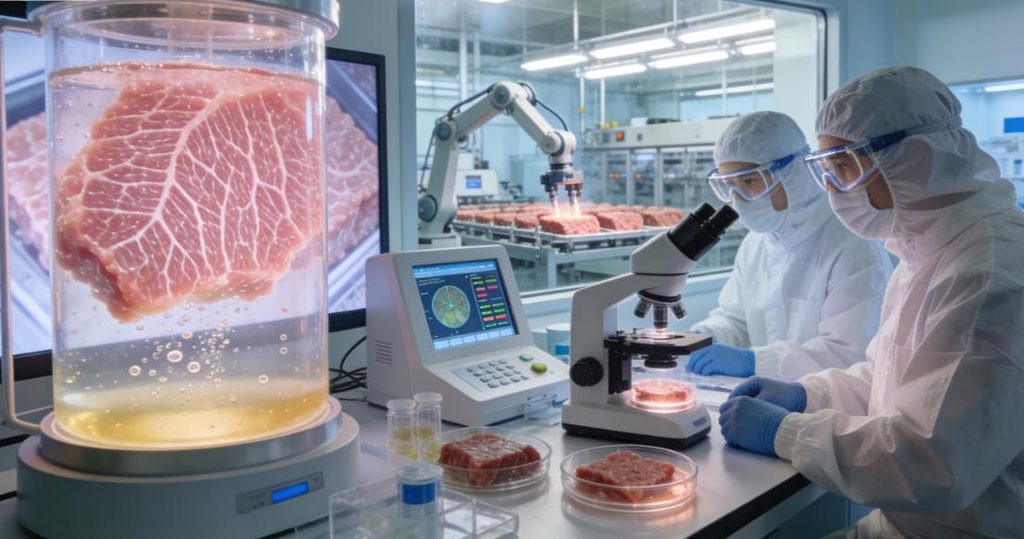
Cultivated meat grows animal cells in controlled environments. Precision fermentation uses microorganisms to manufacture specific proteins and other ingredients. Plant-based alternatives assemble isolated plant components into products designed to resemble meat.
One particularly revealing example appeared in a 2024 paper published in Matter, titled Rice Grains Integrated with Animal Cells: A Shortcut to a Sustainable Food System.
South Korean researchers developed rice grains coated with fish gelatin and food-grade enzymes, allowing bovine muscle and fat cells to attach and grow. The resulting product combines rice with cultivated animal cells.
The authors proposed the technology as a possible sustainable food ingredient that could help address future food crises.
The example captures the direction of the industry remarkably well: rather than producing traditional food more efficiently, researchers are exploring ways to manufacture entirely new food structures.
The broader objective is to make food production less dependent on conventional agriculture. Instead of growing animals, harvesting crops and preparing recognizable ingredients, manufacturers could eventually produce specific biological components in controlled facilities and assemble them into finished products.
This raises important questions about what consumers will actually be eating and how the nutritional characteristics of these products will be evaluated over time.
Industrial food is entering another phase in which the laboratory, rather than the farm or kitchen, increasingly determines what ends up on the plate.
The future of food should not be decided by manufacturing efficiency
The industrial food revolution began with a legitimate objective: making food more available and affordable for growing populations.
It delivered enormous changes in agriculture, preservation and transportation. But the economic incentives that made industrial food successful also encouraged the replacement of traditional ingredients with standardized formulations, the concentration of production and the engineering of consumer appetite.
The consequences now reach far beyond obesity. Researchers are examining links between industrial diets, microbiome disruption, metabolic dysfunction, cognitive decline, environmental contaminants and the neurological effects of synthetic additives.
The food industry increasingly responds to these problems by developing even more problematic technologies. Let’s not pretend they have our well being as their main priority. Each new technology creates another opportunity to expand the industrial food model.
Meanwhile, traditional food production still offers an enormous range of possibilities: diverse agriculture, seasonal ingredients, whole grains, vegetables, fermented foods, locally produced meat and dairy, and cooking methods developed through generations of experience.
The lesson of industrial food is not that technology has no place in nutrition. It is that manufacturing efficiency and human nutritional health are not interchangeable objectives.
A food system should be judged by the health of the people who depend on it, the quality of its ingredients and the resilience of its production. The next generation should not have to discover, decades later, that another technological shortcut solved a commercial problem while creating a biological one.