

What elite private networks, political scandals and secretive gatherings reveal about who gets access to power—and what the evidence actually proves.
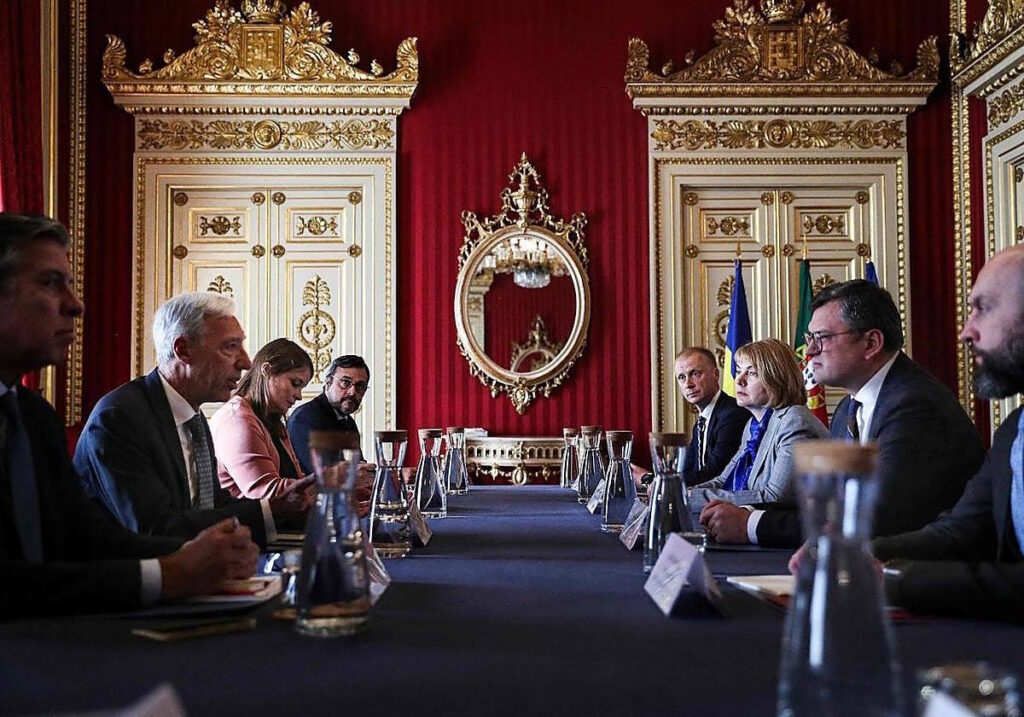
When someone talks about a “big club” of billionaires, politicians, intelligence officials and corporate leaders, the claim is easy to dismiss as conspiracy thinking. Yet history contains real examples of private networks whose members shared information, built influence and sometimes tried to steer public institutions out of public view. The challenge is to separate documented facts from the much larger claims that often grow around them.
Various of my favorite sources over decades of interest in the matter led me to follows a trail through invitation-only gatherings, policy organizations, intelligence-linked circles and notorious scandals. My strongest insight is that influence can accumulate through overlapping relationships.
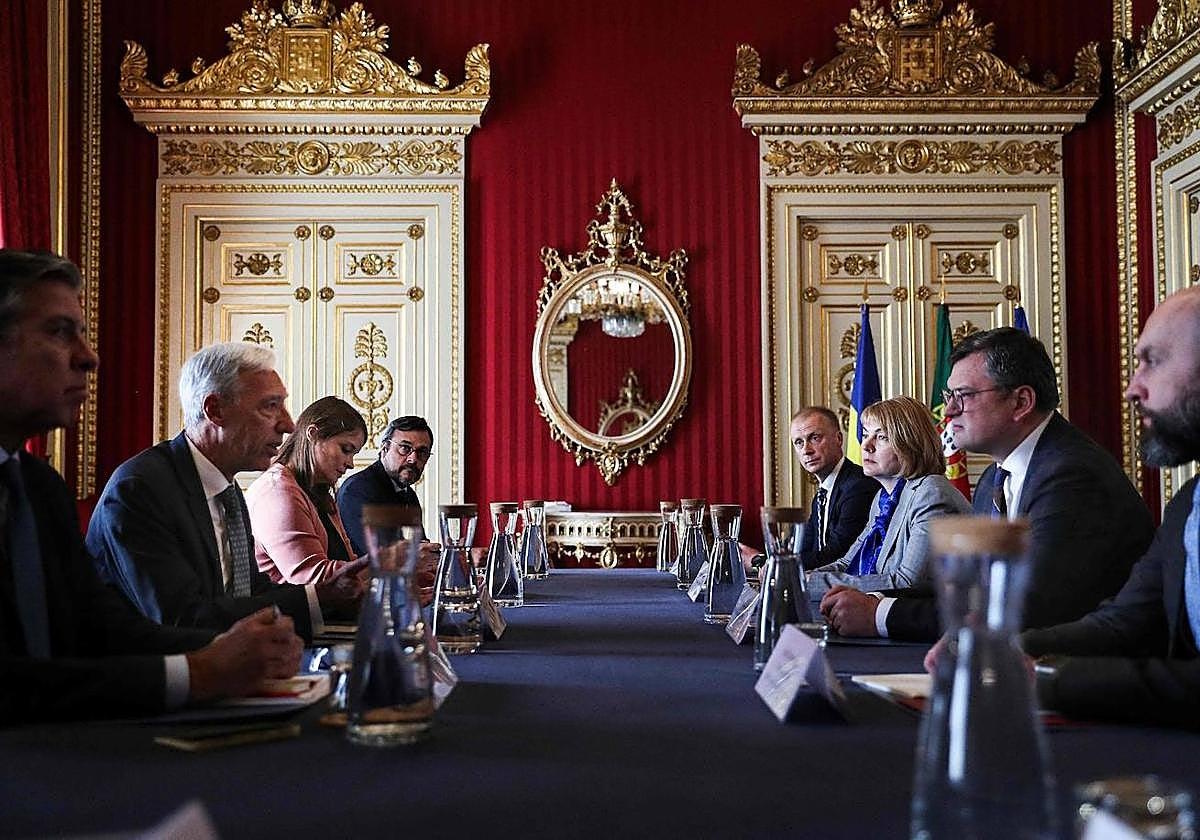
Bilderberg: a real private meeting, with real questions about access
Founded in 1954, the Bilderberg Meeting brings together senior figures from politics, finance, industry, academia and media, primarily from Europe and North America. Its organizers publish participant lists and discussion topics, while meetings operate under the Chatham House Rule: participants may use ideas they hear, but they may not attribute comments to named speakers.
The meeting reminds me of Hillary Clinton’s emails – background discussions with clear instructions to prepare, negotiate and hash out how the public will later be informed. People may speak more freely when their comments will not be quoted by name. These people hate the truth and democracy.
The more defensible criticism concerns unequal access. People with invitations can exchange views directly with other powerful people, while the public sees little of the conversation. That deserves scrutiny without assuming that the group secretly dictates government policy.
To be fair, the truth and democracy are easily twisted so they really enjoy a forum to discuss without scrutiny. But should we remind them they’ re human beings like the rest of us? These organizations are clear demonstration of their sense of superiority and entitlement.
Source: Official Bilderberg FAQ.
Rockefeller, Kissinger and the foreign-policy establishment
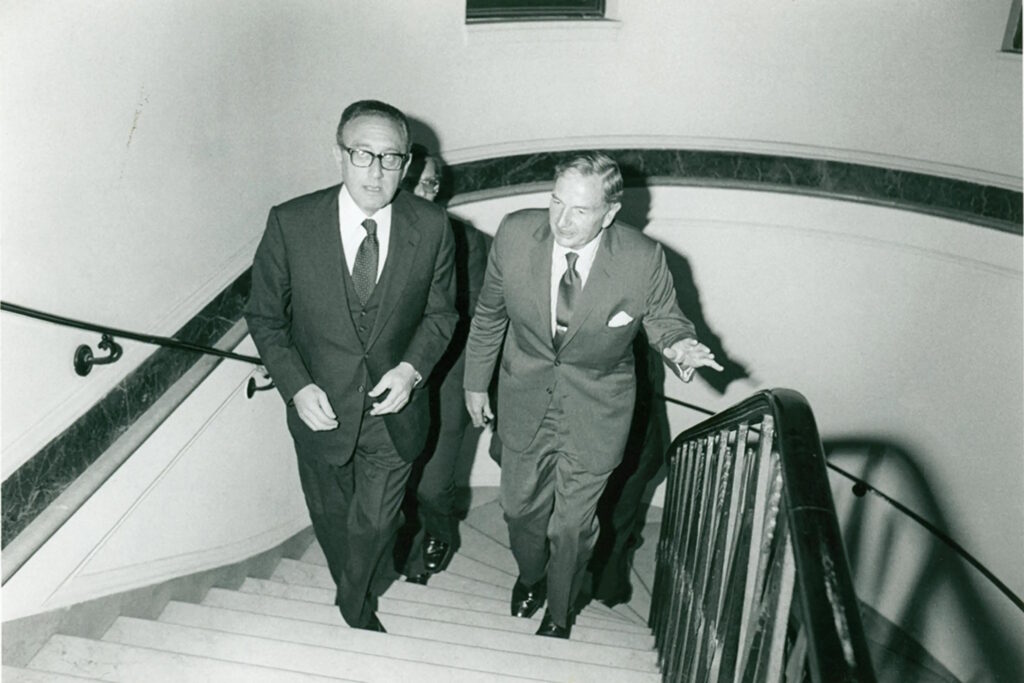
The evidence follows the relationship between financier David Rockefeller and diplomat Henry Kissinger, using them to illustrate how private wealth and public office can reinforce one another.
A figure such as Kissinger could provide access to diplomatic thinking and decision-makers. A wealthy network could provide business contacts, introductions and institutional influence. These relationships matter because policy discussions often begin long before an official announcement or public vote.
The Council on Foreign Relations (CFR) is a prominent foreign-policy think tank and meeting place for officials, scholars, journalists and business leaders. Such institutions give people access to ideas, expertise and influential contacts. Their membership networks can help establish which issues receive attention and which policy proposals gain credibility.
That is it’s purpose on paper. But considering the untimely end of journalists poking into their affairs, or at least losing their jobs, then it’s hard to argue everything they do is above board. What is the ” exchange of ideas ” and why does it need to happen in a closed forum – not a popular one – in the age of the Internet and democracy? Dubious.
The Trilateral Commission provides another example. Created in the 1970s, it brought together influential participants from North America, Europe and Japan. Its 1975 report, The Crisis of Democracy, argued that democratic governments faced problems of governability and controversially discussed an “excess of democracy.”
The phrase is revealing because it expresses concern about the difficulty of governing amid expanding public demands. It raises legitimate questions about how elite policymakers view democratic participation. They measurably have succeeded in the US as a study clearly showed that the people’s interests have no bearing on government policy – money wins every time.
Jimmy Carter was associated with the Trilateral Commission before becoming president, and individuals from elite policy circles subsequently occupied important government positions. These overlaps demonstrate how recruitment and relationships connect institutions. A claim that the Commission secretly installed an entire government would require additional evidence.
Sources: CFR history of Kissinger and Rockefeller and the 1977 Congressional Record discussion of the Trilateral Commission.
P2: when a hidden network became a public scandal
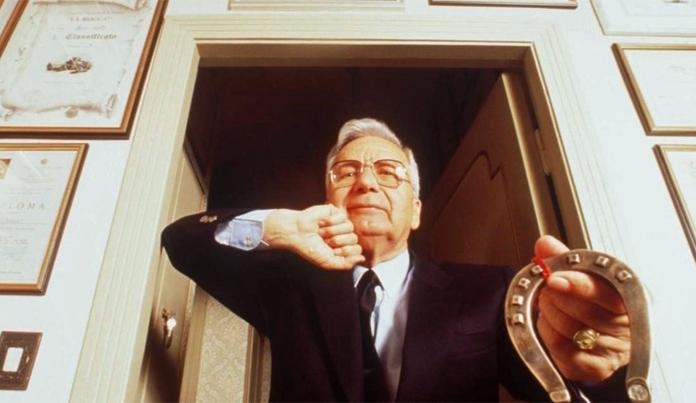
The most compelling historical example is Italy’s Propaganda Due, usually known as P2. In 1981, investigators discovered a list of 962 names associated with the clandestine Masonic lodge led by Licio Gelli. The list included politicians, military officers, intelligence personnel, business figures and civil servants.
The scandal forced resignations and threatened the stability of the Italian government. A parliamentary investigation subsequently examined P2’s connections and efforts to penetrate public institutions and influence the country’s political, economic and military life.
There is an important qualification: appearing on a confiscated list is not identical to proving that every person had formally joined the lodge or participated in all the activities attributed to it. Even with that distinction, the scandal was substantial. Investigators and a parliamentary commission examined actual documents and evidence of institutional connections.
P2 demonstrates that organized, secretive networks can accumulate considerable influence across different branches of society. Their power can become a national crisis when their activities are exposed.
This is where suspicion becomes a documented historical case. Investigators had names, records and material that could be examined by journalists, courts and elected representatives. The lesson is to investigate concrete evidence of covert influence, rather than automatically treating every private organization as another P2.
Source: The Washington Post’s report on the Italian parliamentary investigation.
Bohemian Grove: ritual, privacy and elite social networks
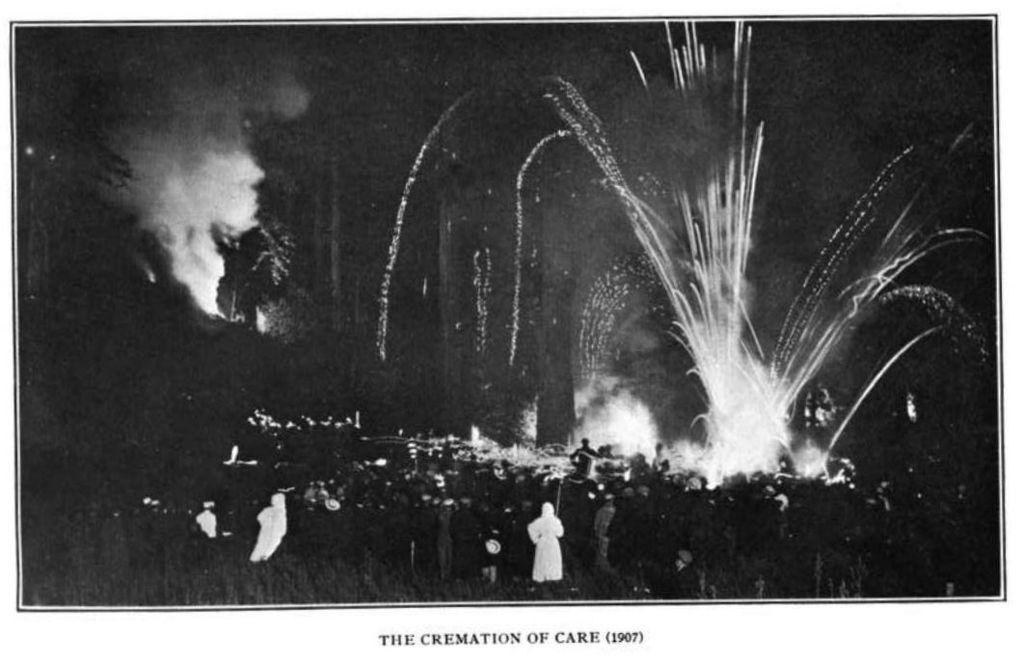
Bohemian Grove is the private encampment associated with the Bohemian Club, where members and guests gather for social events and theatrical ceremonies, including the “Cremation of Care.” Its seclusion and the prominence of some attendees have made it a magnet for speculation.
The list of attendees that got leaked is very impressive and broad: military, judicial, political and of course, billionaires. The Grove hired teenage girls from neighboring schools to be servers. Very little information got leaked out – that process of selection and the rituals are critical to their success.
The roots of the CIA started at Ivy league universities who already had exclusive clubs that used sworn allegiances and rituals to ensure loyalty. Most notably at Yale, which had “Skull and bones”. The secret society that survive decades and centuries indeed have a methodology of power we can extrapolate from the fringe evidence.
Epstein and it’s kin
In recent years – these conspiracies entered mainstream interest, with Jeffrey Epstein’s contacts with prominent figures and elite institutions, then raises the possibility that he operated as an intelligence asset or used compromising information to control powerful people. His associate is linked to the CIA, Ghislaine Maxwell, through her father and her dealings.
Epstein’s social access and crimes warrant serious scrutiny. Records of relationships, donations and communications can help explain how he maintained access to influential circles. His strange death also raises suspicion. It is being said he was the middle man for the Mossad, or an even more powerful intelligence group. He financed personally the various secret groups mentioned here and their projects – but nobody can explain how he got paid so much for his ” tax advice “.
His nefarious activities involving children can be considered part of the ritual method to maintain loyalty and secrecy.
Davos: the modern public-private network
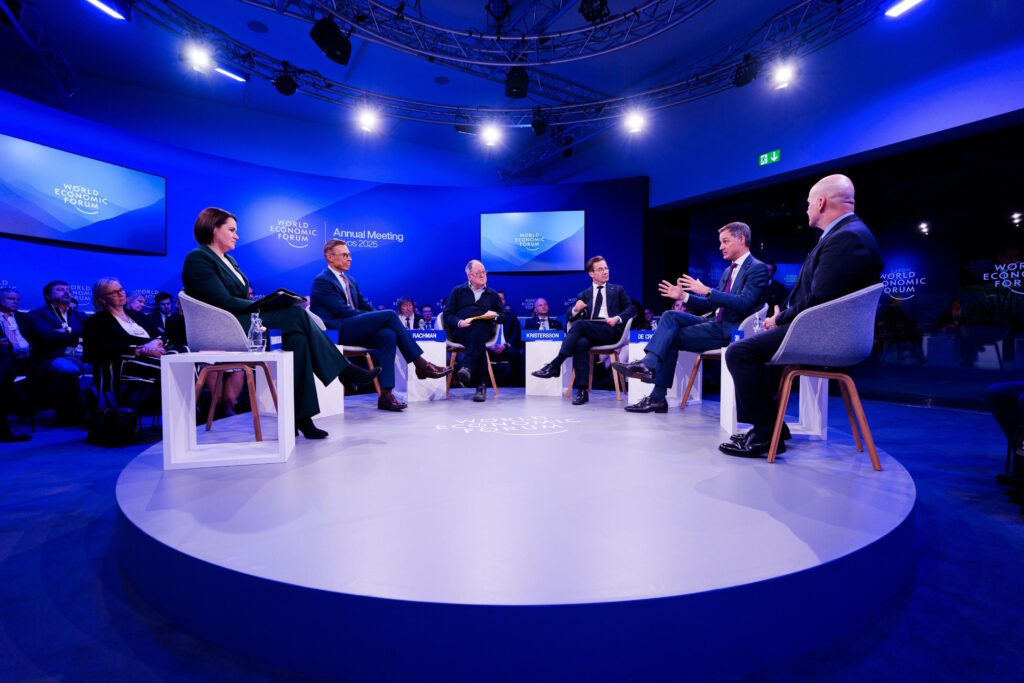
The World Economic Forum offers a visible example of the same intersection between public authority and private power. Its meetings bring together government leaders, corporate executives, investors, academics and other policy actors to discuss economic, technological and geopolitical questions.
The Forum openly describes its work in terms of collaboration and shaping industry and global agendas. Corporate participation in discussions about public policy, technology and economic rules is therefore a legitimate subject for scrutiny. Companies can have significant resources and expertise, while elected officials carry public responsibilities. The balance between these interests matters.
But the discussions that occur there about globalization are thinly vailed encouragements of democracies to increase speech control, financial control and expand globalization – giving up localized government power in favor of global entities: WEF, WHO and worse…