

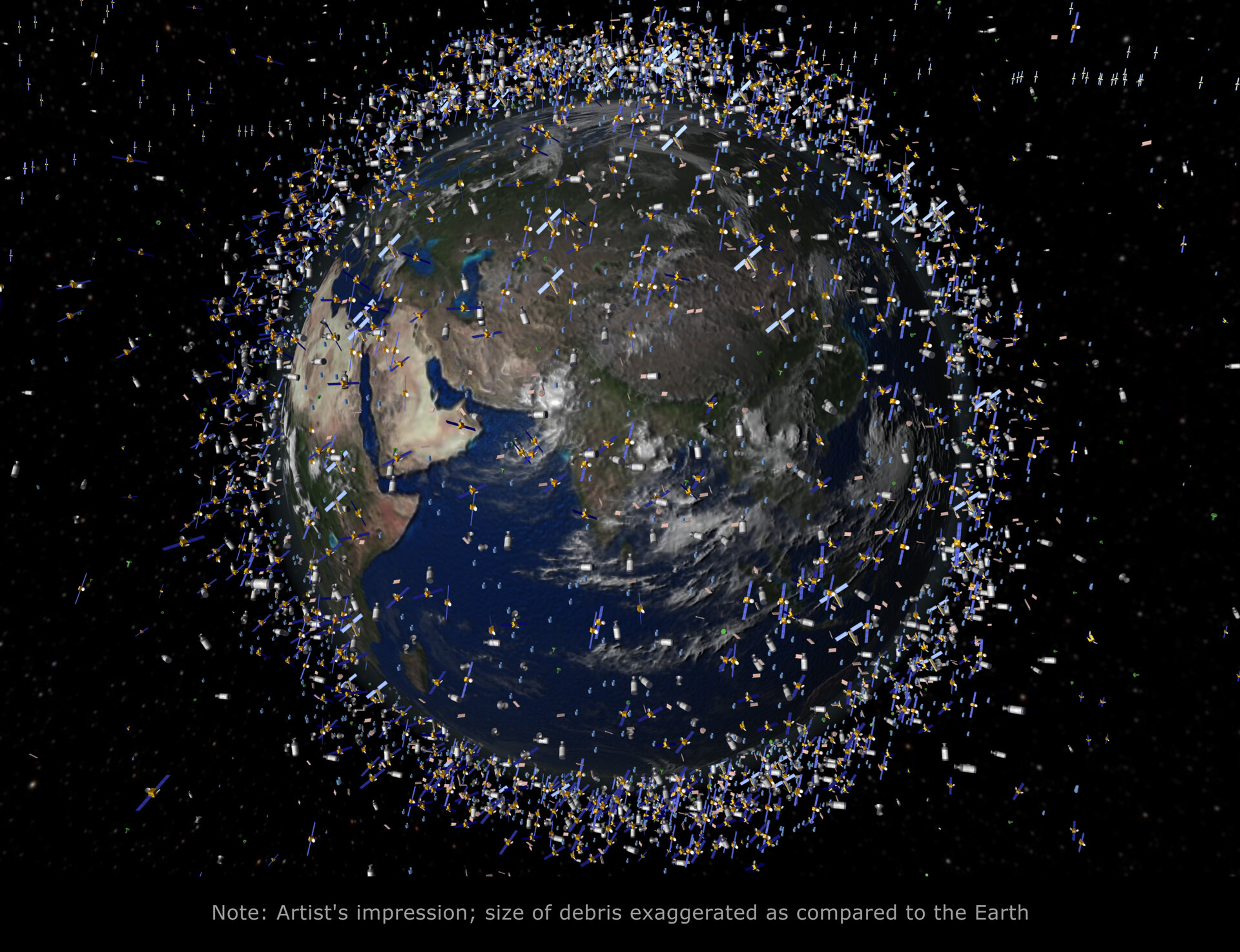
A Chinese military reconnaissance satellite has fragmented in orbit, creating a new cloud of debris in a rarely used and persistent orbital regime. The event went unacknowledged by Chinese authorities, becoming public only after U.S. Space Force tracking data entered the open catalog.
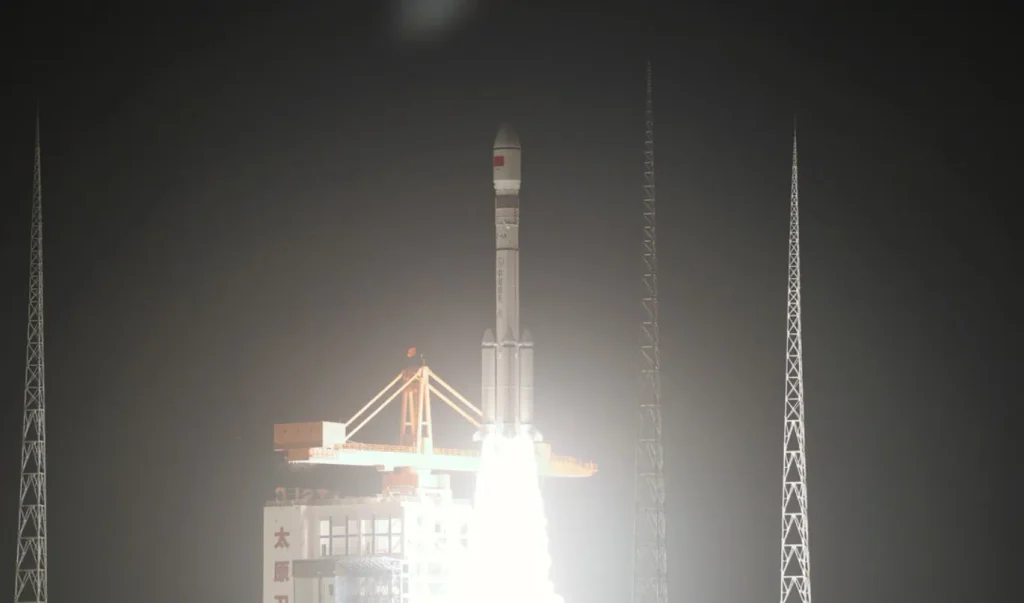
Yaogan-50 (02) launched on March 15, 2026, from the Taiyuan Satellite Launch Center aboard a Long March 6A rocket. Official Chinese statements at the time described a complete success. The satellite reached a highly retrograde orbit with an inclination of approximately 142 degrees and an altitude near 950 kilometers—traveling against the direction of Earth’s rotation. Such orbits are energy-intensive and uncommon. Western analysts regard most Yaogan satellites as dual-use or military reconnaissance platforms, though official descriptions list civilian applications such as land surveys, crop estimation, and disaster monitoring.
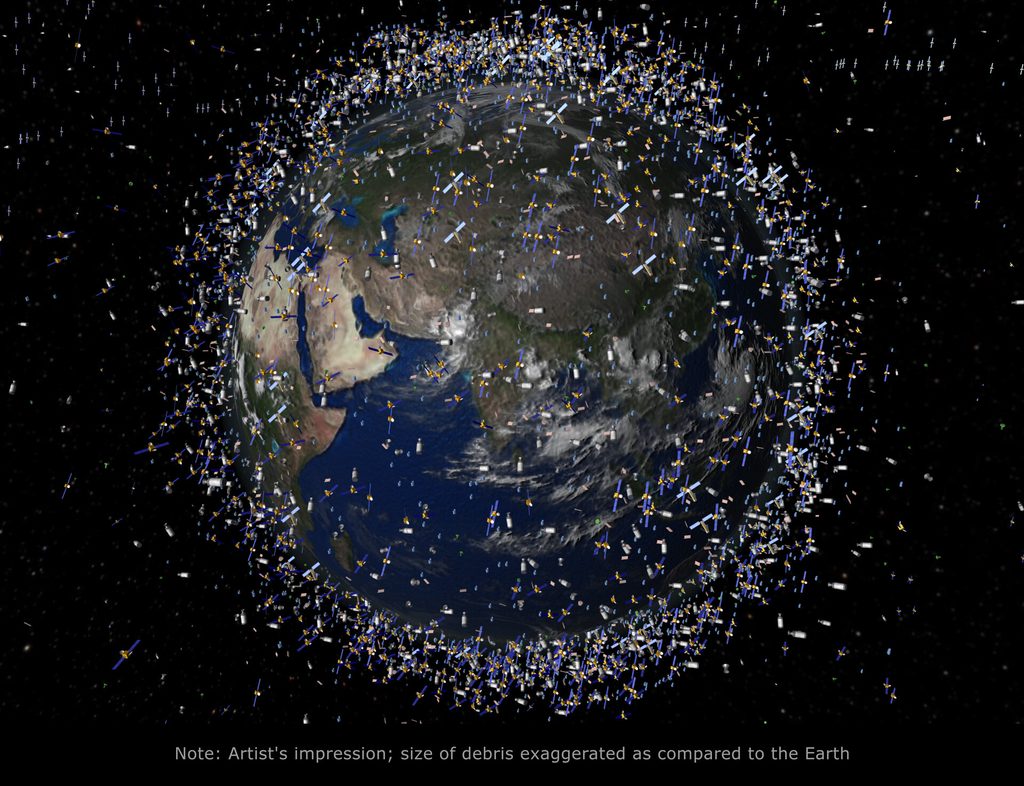
By early September 2026, the U.S. Space Force had cataloged at least 43 debris objects associated with the satellite. Independent orbital analysis indicates the fragmentation or shedding event occurred weeks earlier, around late July or early August. The fragments now occupy altitudes between roughly 600 and 1,100 kilometers while remaining in the original retrograde inclination. At these heights atmospheric drag is negligible, so the debris is expected to remain in orbit for decades and possibly centuries.

No public statement from the China Aerospace Science and Technology Corporation (CASC), the China National Space Administration, or related academies has addressed the breakup. Chinese state media that promoted the March launch as a success have remained silent. Limited entries for related fragments appear to have been added to China’s own Spacemapper catalog, indicating internal detection, yet no explanation, cause assessment, or debris-mitigation update has been released. Awareness of the event therefore rests primarily on U.S. Space Force catalog data released through Space-Track and subsequent reporting by independent analysts.
The cause remains unknown. Possibilities include an internal failure (propulsion system or battery) or a collision with preexisting debris. The parent satellite’s orbit showed little change, consistent with the release of relatively low-mass fragments such as insulation or structural pieces.
This incident fits a broader pattern. Long March 6A upper stages have fragmented on multiple occasions in recent years, generating hundreds of trackable objects in long-lived orbits. Other Chinese rocket bodies have also broken up, and China has left a disproportionate share of high-mass derelict stages in altitudes above 650 kilometers. Each new debris cloud increases conjunction risks for operational satellites, including China’s own systems and large constellations operated by other nations.
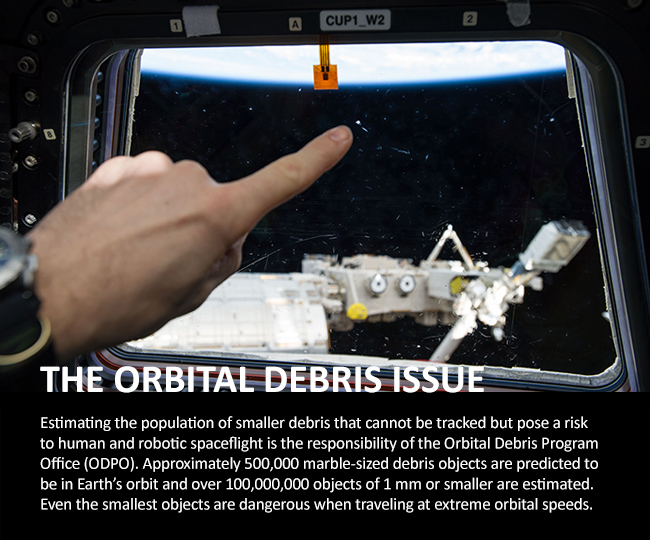
Relative velocities in low Earth orbit routinely exceed several kilometers per second. Even centimeter-scale fragments carry destructive energy. Cataloged objects represent only the larger pieces; smaller debris is harder to track yet remains hazardous. Debris in a retrograde orbit introduces different relative-velocity geometries compared with the far more common prograde traffic, complicating risk assessments.
Orbital debris is cumulative. Once generated at altitudes with minimal atmospheric decay, it persists and multiplies collision probability over time. The Yaogan-50 (02) fragments add another long-duration hazard in an already congested environment. Without transparent reporting and improved passivation and disposal practices, such events will continue to degrade the sustainability of low Earth orbit for all users.
Sources
- Long March 6A liftoff from Taiyuan with Yaogan-50 (02), March 15, 2026 (CASC / Xinhua coverage of the launch): https://spacenews.com/chinese-reconnaissance-satellite-breaks-up-in-rare-retrograde-orbit/
- NASA visualization of trackable objects in low Earth orbit: https://orbitaldebris.jsc.nasa.gov/
- ESA artistic representation of the space debris environment: https://www.esa.int/About_Us/ESOC/Space_debris_-_evolution_in_pictures
- Example LeoLabs radar detection plot style from prior Chinese upper-stage fragmentation events (publicly discussed in coverage of 2024 Long March 6A breakups): https://spacenews.com/chinese-rocket-stage-breaks-up-into-cloud-of-more-than-700-pieces-of-space-debris/
- Schematic illustration of orbital debris density and collision cascade risk (NASA Orbital Debris Program Office materials): https://orbitaldebris.jsc.nasa.gov/faq/

 EN
EN  FR
FR