

$2,000 per child, per day.
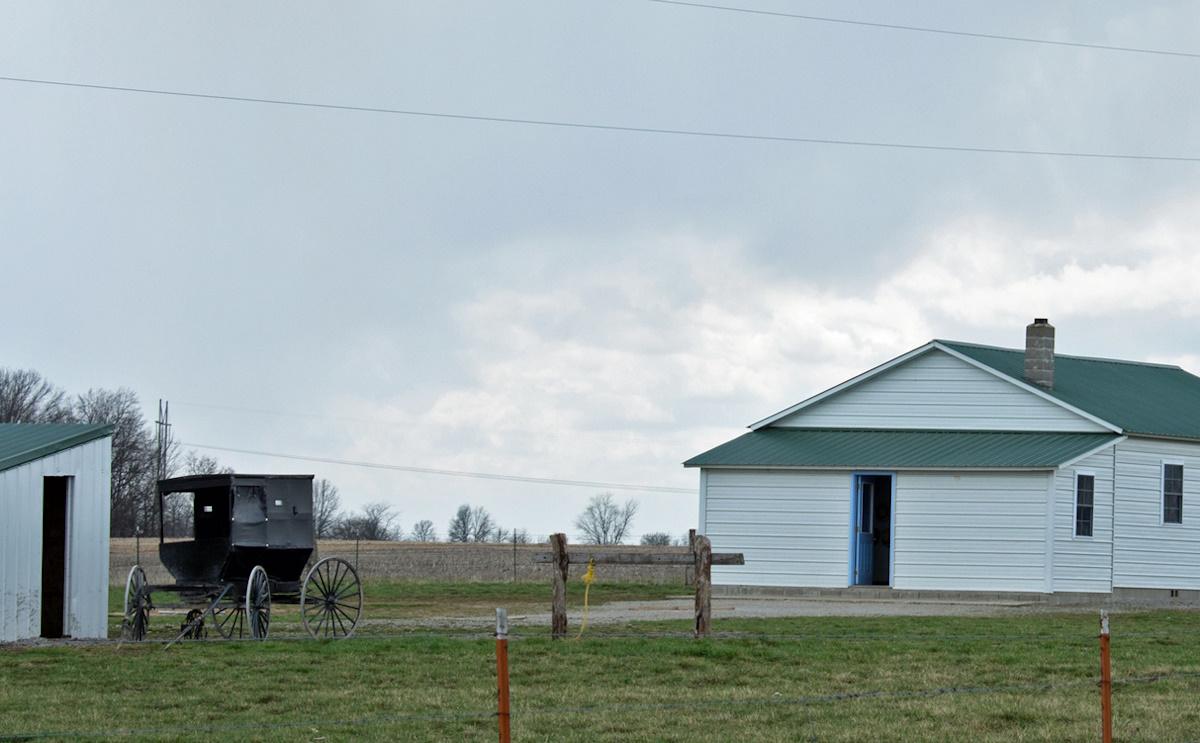
In New York, three small Amish schools fined a combined $118,000 in penalties for failing to comply with the state’s school vaccination requirements. Under the state’s interpretation of the law, each day an unvaccinated student attends school can constitute another violation. With 59 students involved, that creates a potential exposure of $118,000 for every additional school day if the maximum penalty is applied to each child.
Imagine running a tiny rural school with an Amish teacher, a simple classroom and no electricity, then being told that keeping your children together for another day could generate a six-figure bill.
Imagine STILL, this vaccine freedom discussion 5 years after COVID dust has settled. After all that has been demonstrated in health risk/benefit ratio, and challenged the hardline one-size-fits-all government policies. We learned nothing.
Le Amish vaccine fines also raise a question that reaches beyond religion: when does protecting public health become a disproportionate exercise of government power, and what evidence should justify such an extreme penalty?
How the Amish vaccine fines were calculated
The state assessed the following penalties:
| School | Fine imposed |
|---|---|
| Dygert Road School | $52,000 |
| Pleasant View / Twin Mountain School | $46,000 |
| Shady Lane School | $20,000 |
| Total | $118,000 |
The calculation was more complicated than simply multiplying 59 children by $2,000 for one day. But I make a long story short. If the maximum is applied to each:
- One day: $118,000.
- Five school days: $590,000.
- A 180-day school year: $21.24 million.
Even a fraction of that liability could overwhelm a small community school. The families argue that the penalties threaten their ability to educate their children together, a central part of their religious way of life.
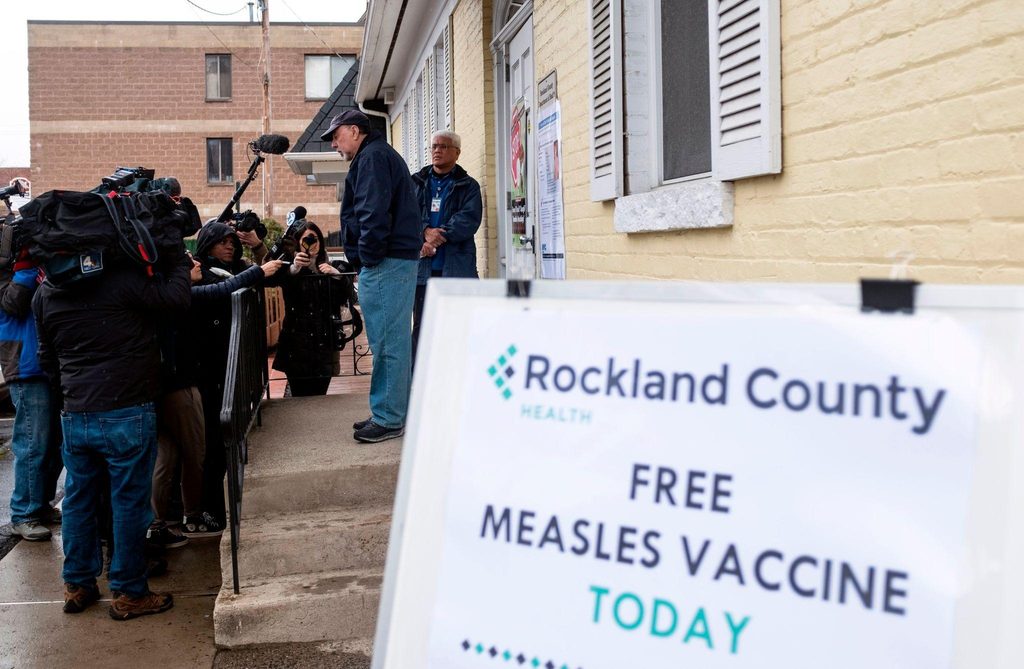
There is something deeply disproportionate about the potential consequences. The state has a legitimate interest in protecting public health, but that does not automatically settle whether this particular enforcement method is reasonable.
From a measles outbreak to a statewide religious exemption ban
The history matters because the policy was not originally designed around these three Amish schools fined.
The timeline:
- 1966: New York’s school immunization law provided both medical and religious exemptions.
- 2018–2019: A major measles outbreak spread through the United States, with New York at its epicentre. Many cases occurred in communities with clusters of unvaccinated people, including Orthodox Jewish communities in Brooklyn and Rockland County.
- June 13, 2019: New York’s legislature repealed the religious exemption. Governor Andrew Cuomo (a man in retrospect, with a less than stellar record during COVID, to say the least) signed the measure, and the exemption was eliminated immediately.
- November–December 2021: The health department audited the three Amish schools fined.
- March 2022: The department concluded that some students had attended beyond the statutory grace period without vaccination documentation, evidence of immunity or valid medical exemptions.
- December 2022: The state imposed the penalties totalling $118,000.
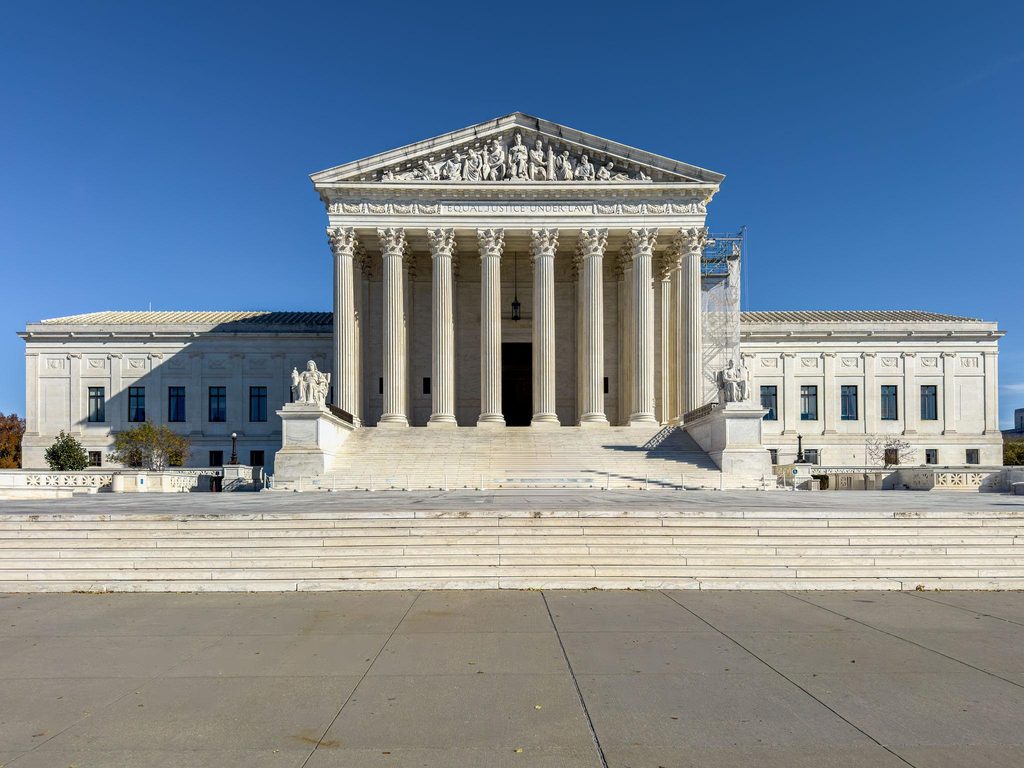
- June 30, 2026: The Second Circuit again ruled against the Amish plaintiffs after reconsidering the case following a Supreme Court remand.
- September 28, 2026: The families filed another petition asking the Supreme Court to review the decision.
The law now applies to students attending public, private and parochial schools, except those who qualify for a medical exemption.
But the political language accompanying the repeal deserves attention. State Senator James Skoufis reportedly characterized the religious exemption as fabricated and fake. Assemblymember Jeffrey Dinowitz called it “utter garbage.”
Politicians are entitled to disagree with religious beliefs. Yet dismissing those beliefs as nonsense does not answer the constitutional question of how far the state may go in compelling people to act against them.
New York had accommodated religious objections under its school immunization law for more than five decades. The Amish community itself has had roots in the state for generations. Suddenly, families who had organized their education around their faith found that the rules had changed.
I could understand if 5 decades of un-vaccination had caused severe health risks in the Amish – but it’s quite the opposite.
Why are the Amish paying the price for an outbreak elsewhere?
The outbreak that prompted New York’s policy change was concentrated largely in Orthodox Jewish communities in Brooklyn and Rockland County. The three Amish schools fined are now at the centre of this dispute are a different community, in rural parts of the state.
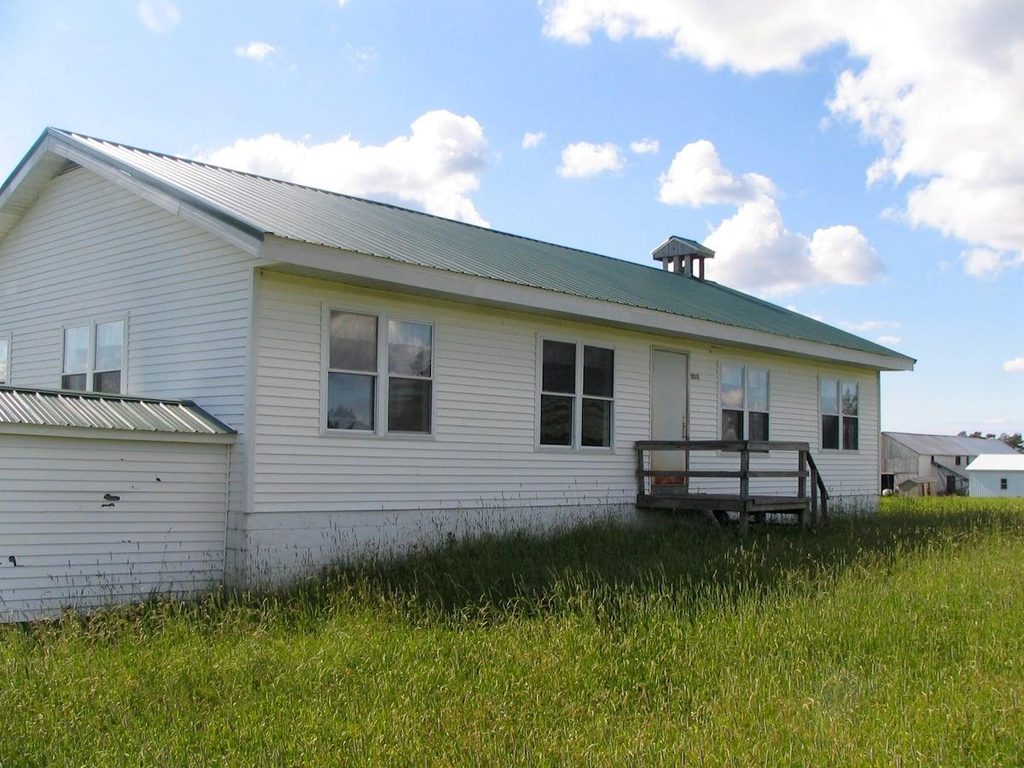
The distinction is important. The record establishes that New York repealed a statewide exemption in response to the measles outbreak. It does not establish that these three Amish schools caused that outbreak, or that the state adopted the law specifically to target the Amish.
Nevertheless, the effect of a statewide rule can be felt most severely by a small minority whose circumstances differ from those of the population that prompted the original political response.
This is where the enforcement question becomes uncomfortable.
Misha Paullin and Chris Keene, discussing the case on The Jimmy Dore Show, raise the comparison between these Amish schools and unvaccinated pupils elsewhere in New York. They cite figures of approximately 97,000 noncompliant children statewide, including roughly 66,000 in public schools, and question whether public-school pupils are generally excluded from attendance rather than generating comparable fines against their schools.
Those specific statewide figures are claims made during the discussion; I have not independently established them from the appellate opinion. The enforcement comparison still deserves an answer: how consistently are the rules applied, and why should the financial consequences fall so heavily on these particular schools?
A child excluded from a public classroom creates one set of consequences. A tiny private school accumulating thousands of dollars in penalties for every day of noncompliance faces another.
The distinction does not, by itself, prove discriminatory enforcement. Nor does it invalidate the state’s public-health rationale. But if the practical result is that certain families can continue their education while Amish families cannot, New York should explain why that difference is justified.
The hosts also question why vaccinated people require those around them to be vaccinated. The public-health argument is that vaccination reduces transmission and helps protect people who cannot be vaccinated or who remain vulnerable despite vaccination. That is a legitimate consideration, especially for highly contagious diseases such as measles.
Still, it does not end the discussion about proportionality, religious liberty or which enforcement measures are appropriate.
A $2,000 daily penalty is a particularly blunt instrument. Exclusion, accommodation, an alternative schooling arrangement or another enforcement approach might produce very different consequences. Whether any of those alternatives would adequately protect public health is a question the state should address, rather than treating the size of the penalty as an end in itself.
Religious liberty versus government authority
The families’ lawsuit is not simply an argument about vaccine safety. It is a constitutional challenge involving freedom of religion and parental authority.
Their lawyers rely in part on Wisconsin v. Yoder, the Supreme Court case recognizing Amish parents’ religious interests in their children’s education. They argue that New York is compelling them to violate religious beliefs in order to send their children to Amish community schools.
The state, by contrast, maintains that the immunization law is neutral and applies generally, with a medical exemption but no religious exemption. The Second Circuit accepted that reasoning and held that the plaintiffs had not established a viable constitutional claim.
The court also distinguished the burden imposed by the vaccination law from the particular educational and religious burdens at issue in Yoder and the later Mahmoud v. Taylor decision.
In other words, the lower court has not agreed that the constitutional argument succeeds. That is precisely why the case matters: it tests the boundaries between a state’s public-health powers and the ability of a religious minority to maintain its way of life.
As of October 26, 2026, the families’ petition is pending before the Supreme Court under docket number 26-438. The petition was filed on September 28 and docketed on October 2. The state’s response is due November 2, according to the official Supreme Court docket. The Supreme Court has not yet issued a decision on this latest petition.
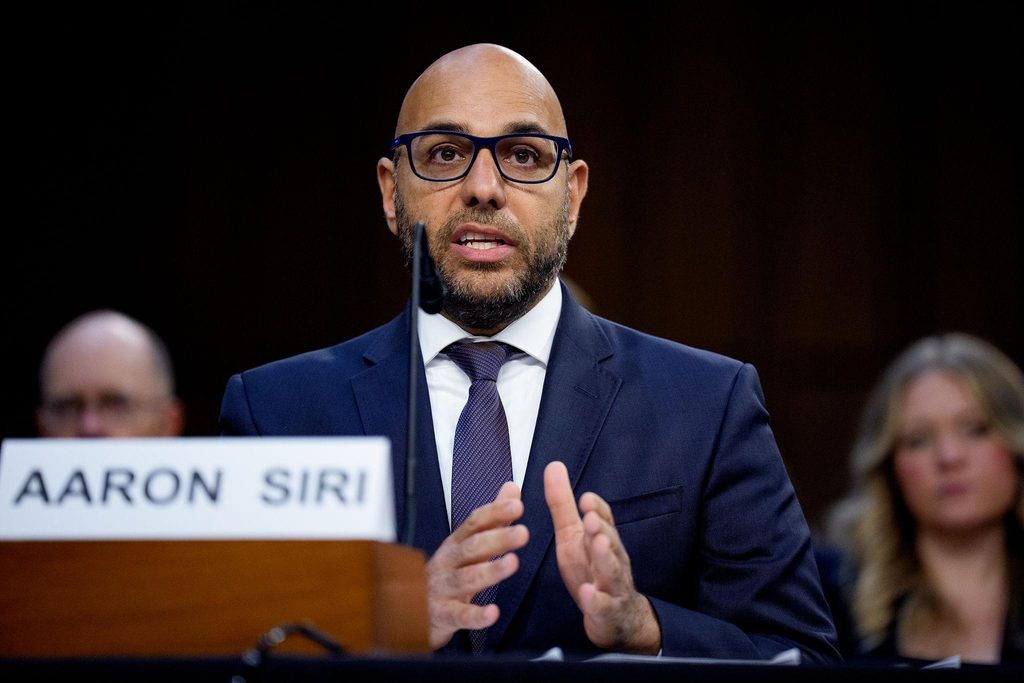
First Liberty Institute, working with Siri & Glimstad and other attorneys, represents the Amish plaintiffs. Its position is that New York is forcing Amish families to abandon their religious practices or leave the state.
Attorney Hiram Sasser has argued that New York is making the choice for the families, rather than the families freely choosing to leave. Siri has similarly warned that the outcome could force the Amish to move elsewhere.
One Amish man, speaking anonymously to The Epoch Times, expressed the depth of the conflict: he did not know whether people would leave, but said many would refuse vaccination and would go to jail rather than comply.
That is a serious predicament for families who want to continue living and educating their children according to their faith.
The argument that the state intends to acquire Amish land cheaply is a separate matter. The show raises that possibility, but the legal records do not establish a land-grab motive. I would not present it as a proven explanation. The threat of financially unsustainable penalties is troubling enough without having to prove a conspiracy behind it.
Are Amish children healthier? What Aaron Siri’s survey claims
The scientific side of this dispute deserves the same scrutiny as the legal side.
Siri says he surveyed the health conditions of approximately 160 children among families associated with the three schools. He argues that the children had remarkably few chronic conditions compared with what he would expect from general childhood prevalence figures.
His examples include asthma and other chronic health conditions common among American children. He says he expected to find several cases of particular conditions but reported finding none among the children surveyed.
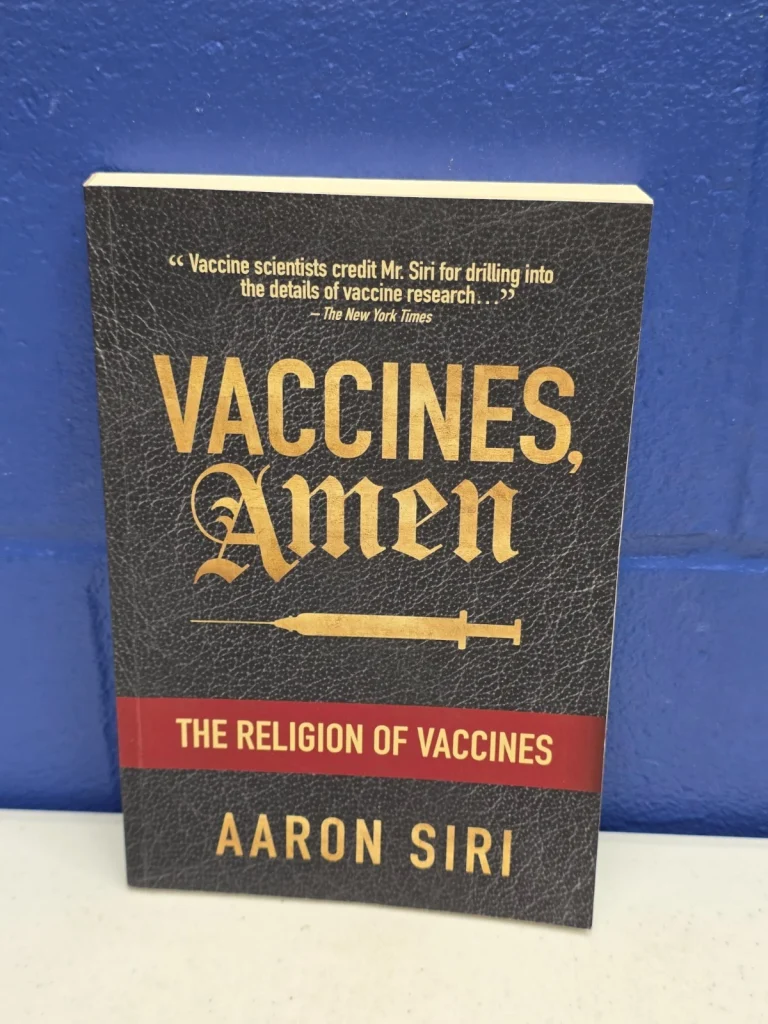
He also says that the information appears in court papers and in his book, Vaccines, Amen, alongside approximately ten studies comparing vaccinated and unvaccinated children. He describes one line of research involving three pediatric practices that included both vaccinated and unvaccinated children.
These claims are worth investigating. However, the survey should not be confused with a peer-reviewed population study demonstrating that unvaccinated children are generally healthier. Sadly, we have no such studies to pull data from. WHAT A SHAME / COINCIDENCE. I’m sure the policy makers and industry leaders are rushing to finance such studies to back their health claims and settle the matter once and for all. <sarcasm>
Siri argues that many of the children were old enough for meaningful health outcomes to be apparent. He also says that Amish families do visit conventional doctors, despite their distinctive way of life.
He describes spending time with Amish families and seeing how closely parents engage with their children. Many communities restrict smartphones and television, and family life may involve fewer of the distractions common in the wider population. Amish practices vary, however, and these observations cannot be generalized to every family.
Those differences could be relevant to health research. Diet, activity, family environment and other social factors can influence health outcomes. The same considerations could also complicate an attempt to attribute differences to vaccination status alone.
There is another problem with interpreting a report of zero diagnoses: the absence of a recorded diagnosis is not necessarily the absence of a condition. Different levels of healthcare use and diagnostic access can affect what is identified and recorded.
Siri says that some Amish children who received vaccines were exceptions to the pattern he observed. He also recounts an anecdote in which an Amish acquaintance associated a vaccinated child’s behaviour with vaccination. Such accounts may motivate research, but individual observations cannot establish a causal relationship.
My conclusion is straightforward: the Amish survey is a reason to ask better questions, not a sufficient basis for declaring that vaccines cause chronic illness or that every unvaccinated Amish child is healthier.
If this group has unusually good health outcomes, a properly designed study could help identify why and how – help billions of children across the world potentially. At the very least, it would help policy makers decide if a fine for a remote school is justified or not! How WEIRD there has been no “proper” studies done in 5 decades.
The vaccine-autism dispute: what the studies do and do not establish
Autism is one of the most contentious parts of the vaccine debate. Siri argues that rising autism diagnoses cannot be explained entirely by improvements in diagnosis and changes in diagnostic criteria. He points to California data on severe autism going back to the 1970s and describes friends with nonverbal autistic children whose experiences, in his view, differ substantially from what he remembers from his childhood.
That is his argument, but personal experience and trends in prevalence cannot independently identify the cause of autism.
Siri also says that approximately 40–70% of parents of autistic children continue to believe vaccines contributed to their children’s autism. He argues that these parents are too often dismissed when they describe what they believe happened to their children.
Parents should be listened to respectfully. Their experiences can identify questions worth researching. But a parent’s belief about the cause of a condition, however sincerely held, is not itself evidence that a particular exposure caused it.
The more specific controversy concerns whether the evidence adequately addresses each vaccine given during early childhood.
What happened in the CDC records dispute?
Through the Informed Consent Action Network (ICAN), which his law firm represents, Siri requested studies from the Centers for Disease Control and Prevention concerning vaccines administered during the first six months of life.
The request covered five vaccine types: hepatitis B (HepB), diphtheria-tetanus-acellular pertussis (DTaP), Haemophilus influenzae type b (Hib), inactivated polio (IPV) and pneumococcal conjugate vaccines (PCV). Siri sought studies addressing both the individual vaccines and their cumulative exposure in infancy.
According to ICAN’s account of the records dispute, the agency eventually identified 20 studies, but ICAN argued that they did not directly answer the questions posed. Its breakdown was one study concerning MMR, thirteen concerning thimerosal, five concerning both MMR and thimerosal, and one concerning antigen exposure.
Siri says that 19 of the 20 studies were irrelevant to the specific infant vaccines under examination, while the remaining review did not establish the categorical claim he was asking the agency to support. He also describes the Institute of Medicine’s 2012 assessment of DTaP and autism as finding the evidence inadequate to accept or reject a causal relationship.
There is a genuine methodological issue here. Evidence addressing one vaccine, ingredient or exposure cannot automatically be treated as a direct answer to every question about a different vaccine or combination of exposures.
The legal history needs to be stated precisely, too. The FOIA lawsuit was filed in December 2019 and ended with a stipulated dismissal in March 2020. It was a dispute over records, not a full judicial trial that established that vaccines cause autism. The fact that an agency cannot produce a study addressing a particular narrowly framed question does not, by itself, establish the opposite conclusion.
The CDC’s own website has since changed its language. In a revision dated July 22, 2026, the agency stated that its previous categorical claim that vaccines do not cause autism was not evidence-based because studies had not ruled out the possibility that infant vaccines contribute to autism. Its updated discussion also acknowledges that the Institute of Medicine found the evidence inadequate to accept or reject a causal relationship between DTaP and autism.
That is an important qualification to the older, categorical way this debate was often presented. A scientific claim should reflect what the available evidence actually establishes, including its limits.
But the absence of a definitive study ruling out every conceivable contribution is different from demonstrating that a vaccine causes autism. To establish causation, researchers have to evaluate the full body of evidence, study quality, alternative explanations and whether observed associations are reproducible.
The Gallagher–Goodman study that was silenced
Siri cites research by Carolyn Gallagher and Melody Goodman, affiliated with Stony Brook University, concerning hepatitis B vaccination of male neonates and later autism diagnoses. Siri describes it as finding approximately three times the rate of autism among boys vaccinated against hepatitis B in the first month of life.
However, the paper he identifies—Hepatitis B Vaccination of Male Neonates and Autism Diagnosis, NHIS 1997–2002—was formally retracted on May 21, 2026.
Le journal’s retraction notice cites fundamental methodological flaws. For instance, it blames the study for not establishing the causal link. But an astute scientist might argue the threshold to establish this link is very high. Because of how little we know about immunology AND autism – we should cherish every single study that explores this. If the evidence is weak, then make more studies to disprove it – or you might find evidence to support it.
The authors disagreed with the retraction, but the journal withdrew confidence in the paper’s conclusions.
This again demonstrates a scientific community hostile to small studies and shutting them down before funding a bigger one. The debate should be held openly not with censorship.
What does the broader evidence show?
The Amish findings also raise a much broader question about how little we know about the health differences between traditional communities and industrialized populations. Consider the hepatitis B vaccine given at birth: some doctors and vaccine advisers have questioned the need for a universal birth dose in babies whose mothers test negative, prompting the CDC to adopt individual-based decision-making for this group in December 2025, while retaining immediate vaccination when the mother’s status is positive or unknown (CDC announcement).
Meanwhile, claims that women in isolated South American communities rarely develop stretch marks or cellulite deserve investigation, although robust comparative studies establishing such a pattern are scarce. Cellulite itself remains surprisingly under-researched, with major gaps in its prevalence and causes (review). Traditional diets, physical activity, genetics, hormonal factors and exposure to ultra-processed foods could all help explain differences between populations; research in Peru, for example, has associated more traditional dietary patterns with lower prevalence of hypertension, diabetes and high BMI than diets richer in processed foods (study).
Yet how many rigorous studies systematically compare isolated communities with industrialized populations and disentangle these factors? When preliminary findings suggest potentially important differences in health, the answer should be to investigate them properly. If governments can justify coercive policies and potentially millions of dollars in fines, surely they can justify funding independent research into the very populations whose health they claim to protect.
The World Health Organization published an updated systematic review on September 3, 2026, examining studies published between 2010 and August 2025. The review included 31 primary research studies on vaccines and autism, alongside five meta-analyses. All these studies also have problems in isolating communities and establishing placebos – and reference each other like a web. They could have been dismissed by journals like the Gallagher–Goodman study, but they are backed by powerful institutions.
Is this about public health—or about protecting Big Pharma?
I want to argue that pharmaceutical companies benefit when vaccine policy is strict. Because patients and families who believe they have suffered injuries often struggle to obtain answers or compensation. Siri likewise argues that the legal and financial arrangements surrounding vaccine manufacturers can limit ordinary market accountability.
When the Amish schools fined get vaccinated, there will be no unvaccinated population to test the placebo against. And no basis for a cause and effect study or litigation
I don’t need to prove either theory to question the policy.
The immediate issue is whether a small religious community should face potentially ruinous financial penalties for maintaining schools in accordance with its beliefs. The scientific issue is whether the available evidence justifies specific claims about vaccine safety, and how uncertainty should be handled. The political issue is whether a rule adopted after one outbreak is being enforced proportionately across very different communities.
Those questions are related, but they are not interchangeable.
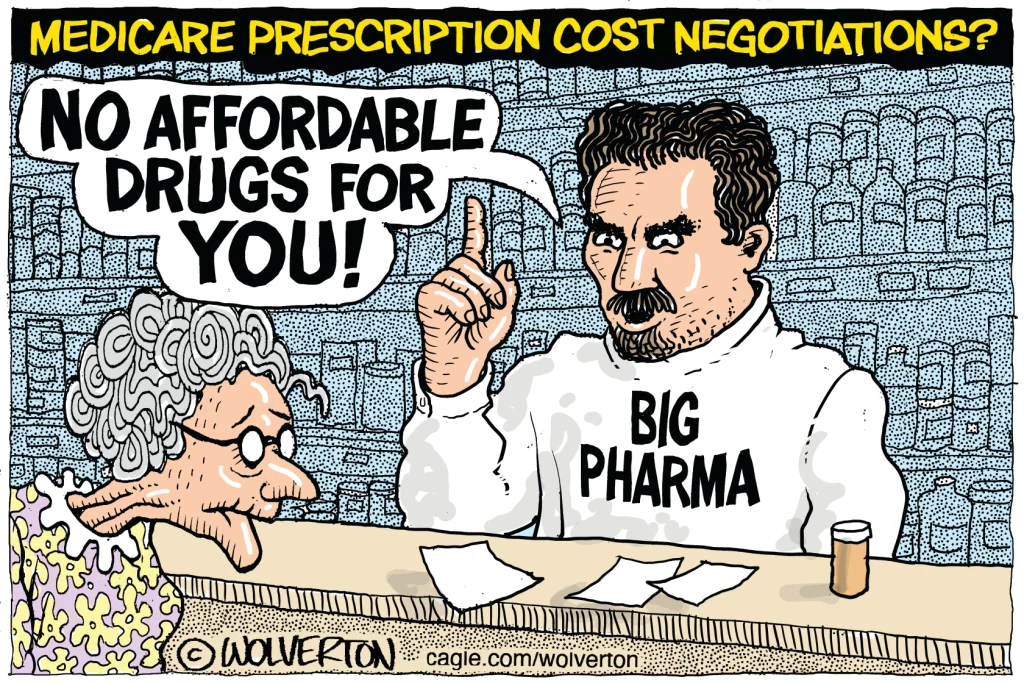
Le Amish vaccine fines also illustrate the limits of using financial punishment to compel compliance. If families cannot pay, and the penalties threaten the schools that allow them to educate their children together, the policy may produce displacement rather than the constructive engagement its supporters claim to want.
The families say they could be forced to leave New York. One has said that people may choose jail rather than vaccination. Whether the Supreme Court ultimately accepts their constitutional argument remains to be seen.
Meanwhile, I would like to see the health claims examined in a way that neither dismisses inconvenient observations nor turns them into proof before the work has been done. If the Amish children really do have lower rates of particular chronic conditions, that deserves serious independent investigation. If the difference reflects lifestyle, diagnostic practices, selection effects or other factors, those explanations matter too.
Are these Amish families a meaningful public-health risk—or have they become a financial and political liability for a system that has little patience for dissent?
That is a question worth asking. It does not require pretending that all unvaccinated children are healthier, that vaccines cause autism, or that a pharmaceutical conspiracy has been established. It requires taking both the science and the consequences of state power seriously.
A government should be able to defend a public-health policy on evidence and proportionality. A scientific institution should be able to explain the limits of its evidence without resorting to slogans. And families should not have to risk financial ruin simply because their beliefs fall outside the majority’s preferences.
Sources and further reading
Legal case and religious-liberty dispute
- Miller v. McDonald — Second Circuit decision, June 30, 2026
- Supreme Court docket, Case No. 26-438
- First Liberty Institute — New York Amish case
Vaccine-autism research and the records dispute
- WHO — Vaccines, thiomersal and autism spectrum disorder: evidence review 2010–2025
- Journal retraction notice — Gallagher and Goodman, 2026
- Original Gallagher–Goodman paper, PubMed record with retraction notice
- CDC — Autism and Vaccines, updated July 22, 2026
- ICAN’s account of its CDC records dispute
Original discussion and additional commentary
- Credit: The Jimmy Dore Show — “Dems Declare WAR on the Amish Over Vaccines!”, featuring Misha Paullin and Chris Keene.
- Further discussion: Aaron Siri’s YouTube channel.