

Figures are as of January 2023.
Crypto is an umbrella term. Store-of-value coins, digital currencies, utility tokens and security tokens all sit under it, and the technology behind each differs. What they share is the one input that matters: trust. A coin is worth what people believe it is worth. When belief drops to zero, so does the price, which is how Coinopsy came to list 2,421 dead coins by May 24, 2022 (breakdown of that data).
Pumps, dumps and Dogecoin
A lot of those coins were targets of pump-and-dump groups, and some advertised openly. One group, Crypto Pump Calls, told members to buy a coin together, promote it across social media for six hours, then place sell orders in the last hour so outsiders chasing the rise would fill them. The pitch promised gains of 1,000 to 2,000 percent. Regulators go after this in stocks and have been slower in crypto.
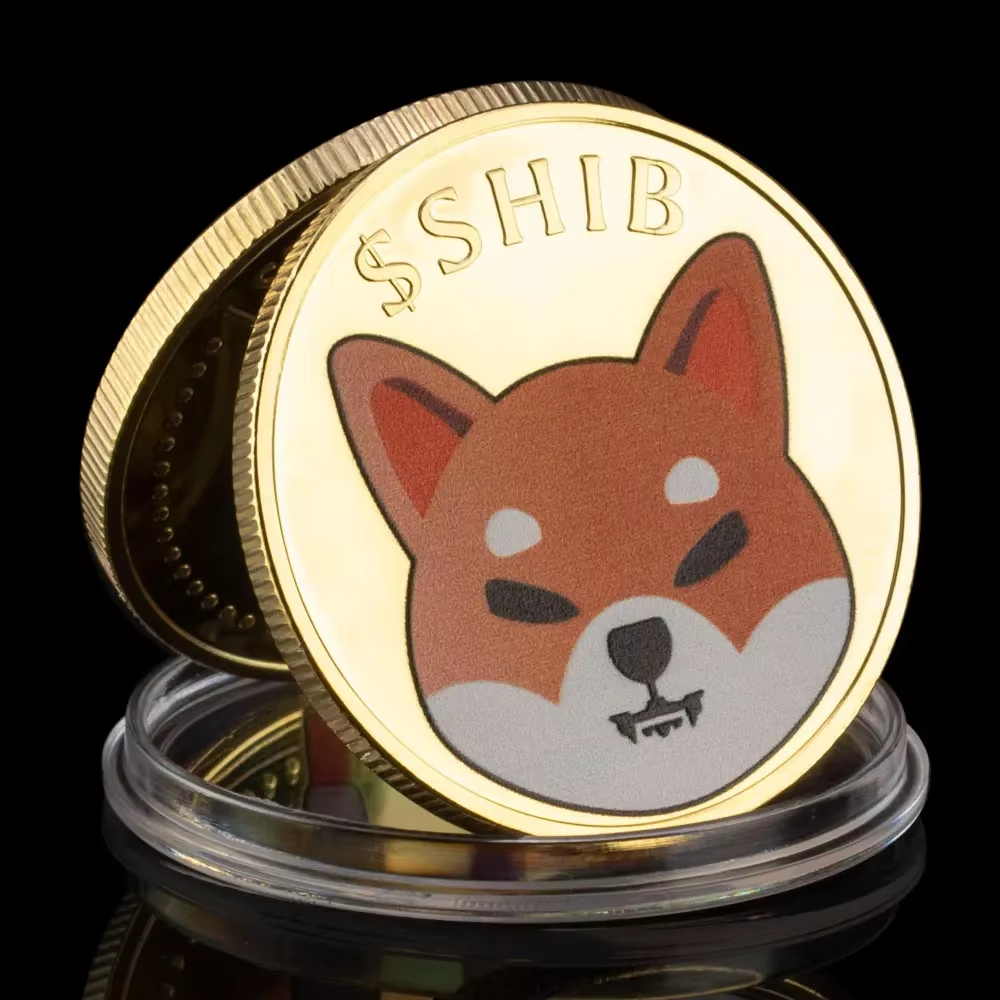
Dogecoin is the best-known case. Billy Markus and Jackson Palmer launched it in December 2013 as a joke built on a Shiba Inu meme (history). It sat in a small tipping community until Binance listed it in 2019, after which Elon Musk, Snoop Dogg and Gene Simmons started talking it up. Musk kept at it through 2021, promising to put one on the Moon. The price peaked near 69 cents on May 8, 2021, the day he hosted SNL, then fell below 20 cents almost at once. Since early 2022 it has traded between six and eight cents.
In June 2022 an investor, Keith Johnson, filed a class action in federal court in Manhattan seeking $258 billion from Musk, Tesla and SpaceX under the civil racketeering statute (coverage). In September the suit grew to add the Boring Company, the original Dogecoin founders and the Dogecoin Foundation, whose advisory board includes Musk’s financial manager Jared Birchall and Ethereum founder Vitalik Buterin. Initial conferences were set for February 24, 2023.
The blockchain is not the coin
Defenders of crypto often retreat to the claim that blockchain is the future. Maybe so, but using a technology is different from investing in it. You use electricity and pay the bill without owning a share of the power company.
The technology also has costs. Estimates of Bitcoin’s electricity use put it at roughly the annual consumption of a mid-sized country (Cambridge index, Digiconomist). A single transaction takes about ten minutes to confirm and often 60 to 90, which rules it out for everyday purchases. The ledger is also less permanent than advertised: in January 2019 an attacker rewrote part of Ethereum Classic’s transaction history and took about $1.1 million.
NFTs run on the same idea. A token can prove you own a cartoon monkey. It cannot stop the price from collapsing.
As of January, CoinGecko tracked 12,431 coins across 641 exchanges, with a combined market value just over $1 trillion, down about $2 trillion, or 65 percent, from the November 2021 high.
Is Bitcoin a store of value?
Bitcoin came out of the 2008 crash, described in a white paper signed Satoshi Nakamoto, a name no one has tied to a person. Its early users were largely on the dark web. A store of value is supposed to hold its worth reliably over time. Bitcoin traded near $16,000 at the start of 2023 after peaking at $68,789, a 75 percent drop in about a year. Nothing backs it except the next buyer.
Warren Buffett’s test is productivity: a farm yields crops, a business yields earnings, and a non-productive asset only pays if someone else pays more later. He has said he wouldn’t pay $25 for all the Bitcoin in existence (report).
The scarcity argument is weak too. Dogecoin has no cap and issues 10,000 coins a minute. Ethereum adds about 18 million a year. Bitcoin is capped at 21 million, but each coin splits into 100 million satoshis, so the real unit count is 2.1 quadrillion. That is how 190 million people can claim to use a coin with 19 million in circulation: the average holding is about a tenth of one. A banana that could be cut into 100 million edible pieces would not be scarce either.
A casino chip makes a useful comparison. It carries a fixed face value, and Nevada requires casinos to keep a bankroll separate from operating funds to cover redemptions. It is not affected by market swings or a billionaire’s tweets, and cashing it in costs nothing. Exchanges, by contrast, charge a fee on every buy, sell and trade.

What failed, and when
Centralized exchanges are the easiest way in, and they fail often. About 42 percent of failed exchanges vanished without explanation, with customer funds gone. A partial record:
- Mt. Gox, 2014. Handled over 70 percent of Bitcoin trades. Lost 850,000 coins, worth about $473 million then. CEO Mark Karpelès was arrested, and he later reported finding 200,000 coins in an old wallet (his later conviction).
- QuadrigaCX, 2019. Canadian customers lost around $190 million after founder Gerald Cotten died. Regulators concluded it was a Ponzi scheme that paid withdrawals with fake balances and new deposits.
- Cryptopia, 2019. Hacked for about NZ$24 million, with an employee also diverting funds. It was the exchange named in the pump-group ad.
- BitMEX, 2021. Fined $100 million for operating without anti-money-laundering controls. Co-founder Arthur Hayes pleaded guilty (background).
- 2022, a run of failures (timeline, more). Babel Finance froze withdrawals after losing $280 million. CoinFlex halted withdrawals. Voyager Digital filed in July. Vauld, backed by Peter Thiel, filed in Singapore. Hedge fund Three Arrows Capital collapsed after Terra and its founders disappeared. Celsius filed with a $1.2 billion hole. Zipmex, Hodlnaut and BlockFi followed. FTX failed on November 11 and its founder was arrested and extradited (overview). His colleague Caroline Ellison is cooperating with prosecutors.
- Coinbase. The SEC charged a former product manager and two others with insider trading in July 2022, then opened a probe into whether Coinbase listed unregistered securities. Shares fell more than 80 percent from their peak.
- Voyager and the celebrities. Mark Cuban and the Dallas Mavericks were sued over their promotion of Voyager, which counted 3.5 million investors.
- Early 2023. The SEC charged Gemini and Genesis over their Earn product, and Genesis filed for Chapter 11. A Russian founder of the Hong Kong exchange Bitzlato was arrested in Miami. Nexo settled with the SEC for $45 million.
The damage is reaching ordinary savers. The Ontario Teachers’ pension plan lost money on FTX, and a Fairfax, Virginia pension fund has $35 million exposed to Genesis. Signature Bank and Silvergate borrowed about $14 billion from the Federal Home Loan Banks, a system built in the 1930s for mortgage lending, to cover withdrawals. Custodia, a crypto bank, was refused access to the Fed’s payment system.
No insurance, no legal tender
The FDIC insures deposits up to $250,000 at more than 4,700 banks and held $125.5 billion in its fund at the end of September 2022. Crypto is not covered (FDIC). Canada’s CDIC insures up to $100,000 and says plainly that crypto is excluded. The UK’s FSCS covers £85,000, also without crypto. If an exchange goes under, you file a claim with the bankruptcy trustee and wait. US brokerage accounts have SIPC protection. Crypto exchanges don’t.
Legal tender is money a court must accept as payment of a debt, and in practice it is issued by a central bank: the Federal Reserve, the Bank of Canada, the Bank of England. A common crypto retort is that fiat is backed by nothing. It is backed by the economy that issues it, and that history is worth a short pass. The dollar was tied to gold and silver from 1792. An international gold standard took hold in 1871. The Fed arrived in 1913. In 1933 Executive Order 6102 forced Americans to hand over their gold at $20.67 an ounce, after which the price was set at $35. Under the Bretton Woods system, 44 currencies were pegged to the dollar and the dollar to gold. Nixon ended that link in 1971 (Fed history), and Ford lifted the ban on private gold ownership in 1974. Since then the dollar has rested on confidence in US output, which is why other countries still hold it as a reserve.
A Bitcoin purchase buys a token from another person. Merchants that accept it can drop it whenever they like. Tesla bought $1.5 billion of Bitcoin in February 2021, said it would take payment in it, sold about 10 percent in April, and in May reversed course, citing energy use.
Stablecoins
There are four kinds. Some claim to be backed by fiat money. Some claim to be backed by commodities. Some are backed by other crypto. The fourth kind, algorithmic and uncollateralized, is the dangerous one. The first two copy things that already exist, and for people who say they dislike central control they are an odd choice.
Terra and Luna were the algorithmic case. When the pair collapsed in May 2022 about $200 billion disappeared across the market, roughly $60 billion of it from holders of the coins. Terra’s Anchor program had offered about 20 percent interest, a figure that should have raised flags. IMF chief Kristalina Georgieva called unbacked stablecoins paying such returns a pyramid. South Korea issued an arrest warrant for co-founder Do Kwon in September 2022, and he was reported to be in Serbia. The IMF warned again in July that more algorithmic stablecoins could fail.
Kwon had been here before, as co-founder of Basis Cash in 2020, which lost its peg and collapsed. Empty Set Dollar failed the same year. Iron Finance’s Titan token fell from about $64 to a fraction of a cent in a day in 2021. Cuban, who had backed it, said he took losses (coverage). He and Kevin O’Leary, who lost money in FTX, both later called for regulation.
One question follows. If all this machinery exists to hold an imaginary token near a real dollar, why not move real dollars on a ledger, with the receiver withdrawing in whatever currency they like?
Miners
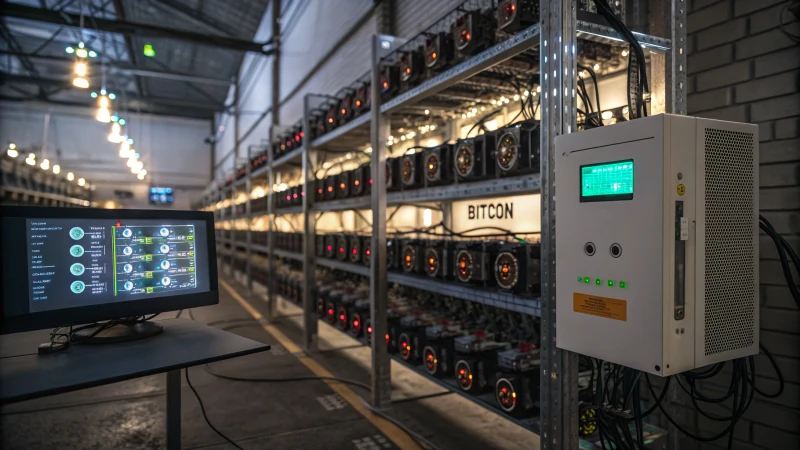
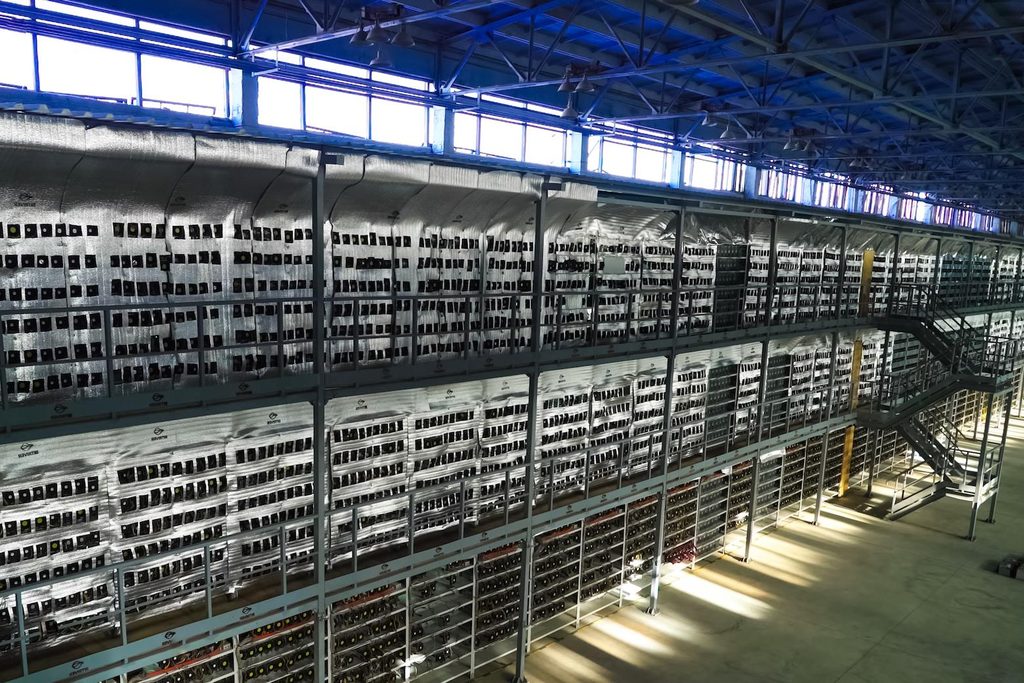
Mining firms are failing as well. Core Scientific, the largest listed Bitcoin miner, filed for Chapter 11 in December 2022 with about $1.3 billion in deficit. Its shares peaked at $14.32 on November 14, 2021, when Bitcoin closed near $65,500, and had dropped to cents. When miners quit they sometimes walk away from warehouses of rigs that become electronic waste.
Who actually made money
Some people did get rich, and it matters who they were. Yahoo Finance began tracking Bitcoin in September 2014, near $400. Before that it was mostly a currency for the dark web, especially Silk Road, which ran from 2011 and took only Bitcoin. The government shut it in 2013 and arrested its founder, Ross Ulbricht, who ran it as Dread Pirate Roberts, in a San Francisco library. He was sentenced to life. The 144,000 coins taken from him were auctioned in 2014 and 2015 for about $48 million, near $334 each. In November 2022 the Justice Department announced a $3.36 billion seizure from James Zhong, who had pulled about 50,000 coins out of Silk Road in 2012.
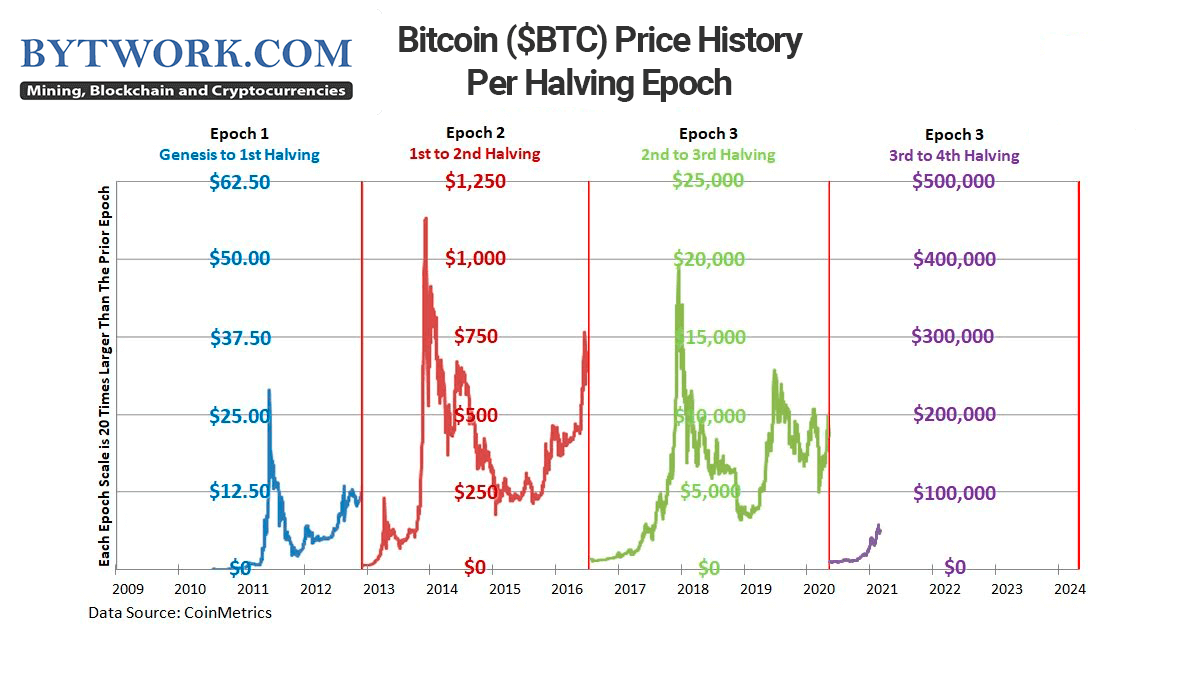
Bitcoin started at zero in 2009. It reached nine cents in July 2010, topped a dollar in April 2011, hit $32 that June and sank back to $2 by November. In 2013 it passed $1,000, then ended the year near $530. In December 2017 it spiked to almost $20,000. Anyone holding from the early days, including traffickers, hackers and auction buyers, could sell to later arrivals at almost any point on the chart. Late buyers could only profit by finding someone later still. Analysts such as ARK Invest’s Cathie Wood argued the price had no ceiling, and buyers at the 2021 peak are now deciding how much they are willing to lose.
The chart for Bitcoin, Ethereum, Cardano, Litecoin, Solana, Ripple and Dogecoin has the same shape: a flat start, a steep rise as early holders sell, and a long fall. The terms for this are the greater fool theory, where you profit by finding a bigger fool than yourself, and the bag holder, who bought the top.
Poker shows the structure. In the 2022 World Series of Poker Main Event the buy-in was $10,000, and a player from Norway won $10 million. The casino has no stake in the result, so every chip a winner gains is another player’s money. Skilled players, the sharks, read the beginners, the fish. The Bitcoin community even ranks holders from humpback down to shrimp, and with an average holding of a tenth of a coin, most are shrimp. In crypto the final table is known before play starts: the people who created and held the tokens at the beginning.
The trust test
Trust rests on three things: shared purpose, honest motives and competence. FTX’s own bankruptcy chief described its leadership as grossly incompetent. “Decentralized money free of government control” is the stated purpose, but the motive of many promoters is to get rich from your purchase. The privacy pitch is false too, since every transaction is permanently recorded and traceable. Use cash if you want untraceable.
Look at who is selling. Tom Brady fronted FTX ads. Matt Damon told viewers in a crypto.com spot on October 21, 2021 that fortune favors the brave. Michael Saylor holds nearly 18,000 Bitcoin at an average cost under $10,000. At the peak he was worth about $1.2 billion on paper, and now about a third of that, so he gains when the price rises and his tweets push for it.
People with no position and no sponsor say something different. Buffett calls crypto a non-productive asset. His partner Charlie Munger has called Bitcoin “stupid” and “evil” and wants a ban. Bill Gates calls it an asset class built entirely on the greater fool theory. At Davos in January, JPMorgan’s Jamie Dimon called Bitcoin a hyped-up fraud and a pet rock, while saying blockchain as a ledger is deployable. Bank of America likes blockchain but thinks speculative trading hurts its reputation, and Citi’s CEO wants safeguards for retirees. Firms that together manage trillions are not sold.
A last note
Bitcoin has bounced in recent weeks, and the hook at the end of the chart is pulling people in again. Anyone buying now is not an early adopter. They are holding money they can’t afford to lose, averaging down and clinging to sunk costs, and that path ends in the same place as the last one. If you had to look up any of the terms here, stay away from crypto.