
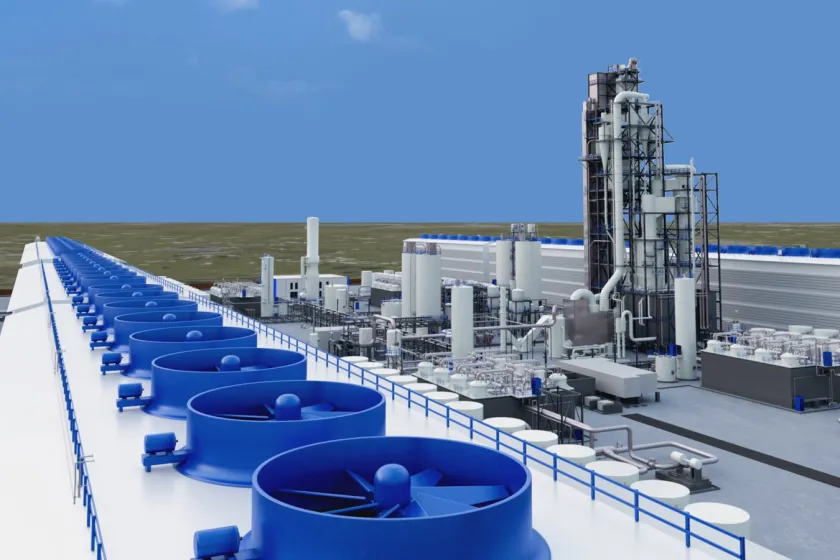
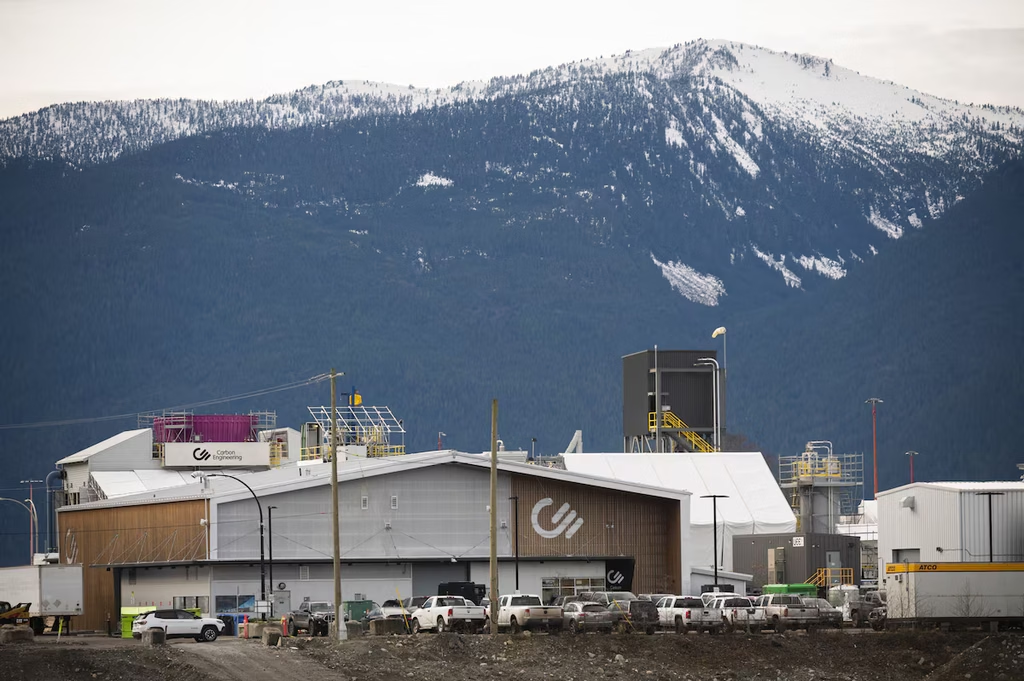
Companies such as Carbon Engineering promote machines that suck CO₂ straight from the air and bury it underground, promising “negative emissions.” A prototype air contactor is shown as the modular building block for massive scale-up. The claim is that this is one of the few ways to deal with emissions from cars, trucks and planes.
Philip E. Mason (Thunderf00t), the British chemist who routinely tests energy and climate claims against basic numbers, argues the approach is financially dead on arrival.
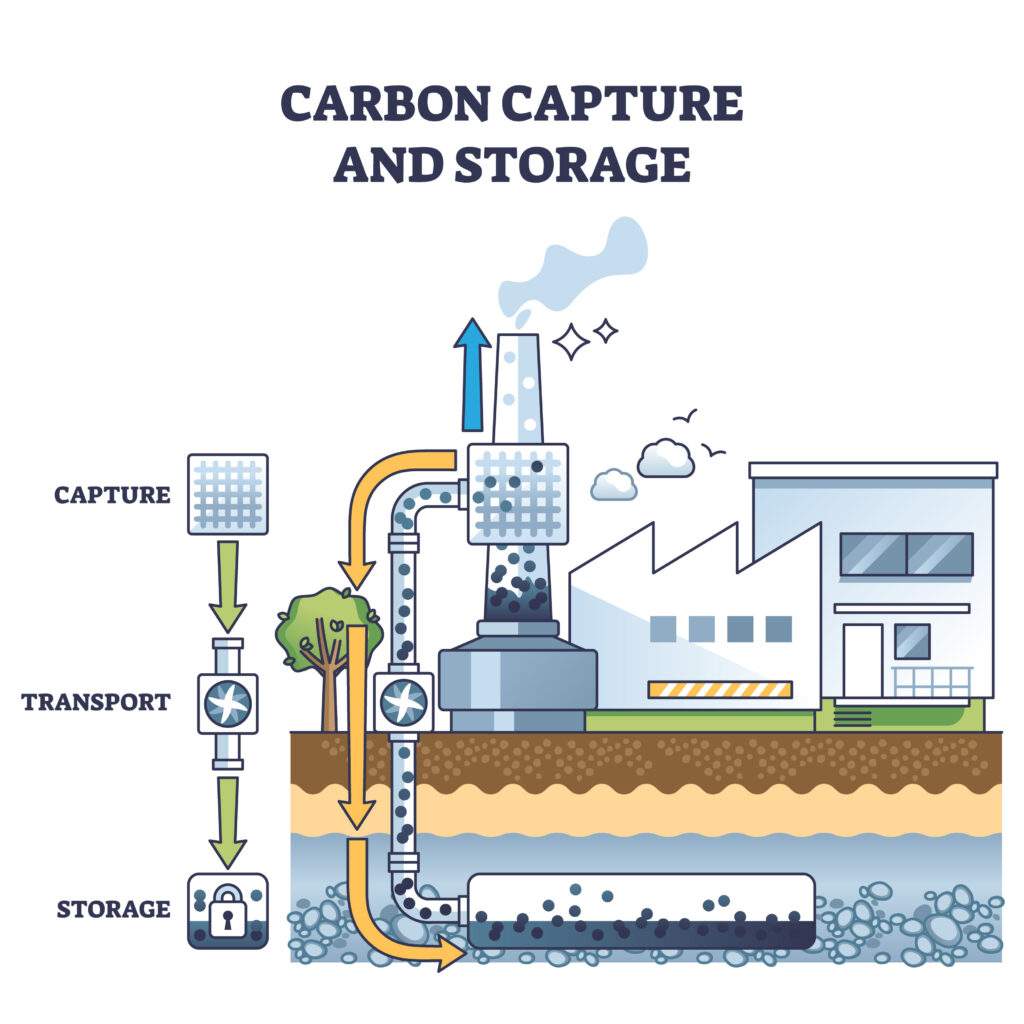
Hydrocarbons remain unmatched in energy density. Burning roughly one litre of gasoline produces about one litre of CO₂ by volume (or two to three kilograms of CO₂ per kilogram of fuel). Global human activity currently emits on the order of 35–40 billion tonnes of CO₂ each year. Matching that volume would require removing the equivalent of roughly twenty cubic kilometres of solid CO₂ every single year—an amount that cannot realistically be stored on the surface.
The only practical long-term store is deep geological reservoirs of the kind that held oil and gas for millions of years. Even optimistic storage costs are comparable to the price of the original fossil fuel itself. Capturing CO₂ from dilute air is far more expensive than capturing it from concentrated industrial streams; current dry-ice prices already run $1–3 per kilogram, and atmospheric capture adds substantial energy and capital. Real-world DAC projects still price out at hundreds of dollars per tonne, and existing capacity remains a tiny fraction of one percent of annual emissions.
Temporary sinks such as trees or greenhouses simply re-release the carbon when the biomass dies or is used. Without a commercial product that pays for the multi-billion-dollar facilities, the free market will continue to prefer dumping CO₂ into the atmosphere because it is cheaper. The scale required to reverse or even meaningfully slow atmospheric accumulation dwarfs anything yet built or seriously funded.