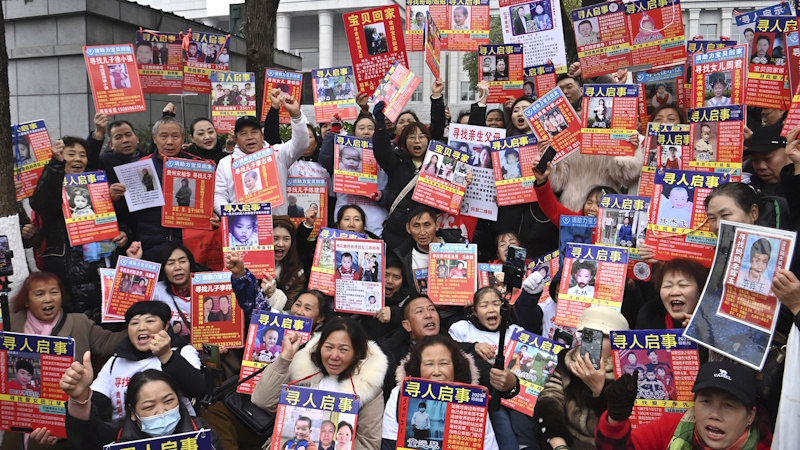

From newspaper advertorials and paid influencers to fake local news sites and coordinated social-media networks, China’s global propaganda operation is a major, multi-channel effort to influence how foreign audiences see the country—and the Communist Party that rules it.
China’s outward-facing propaganda is no longer confined to embassy statements, official broadcasters and government press releases. It has moved into the places where Western audiences consume ordinary news and entertainment: newspaper websites, established publications, YouTube, Facebook, Instagram, TikTok and the feeds of apparently independent influencers.
The objective is political, economic and commercial. Beijing wants to weaken criticism of the Chinese Communist Party (CCP), make its political system appear attractive, protect its international reputation, promote Chinese industries, attract investment and tourism, and influence how foreign governments and populations view issues such as Taiwan, Xinjiang and Tibet.
The important development is the growing use of intermediaries. A state-media article is recognisable as state media. A foreign travel vlogger, a local-looking news website or a familiar newspaper supplement can appear independent—even when the content is paid for, scripted, supplied or amplified by state-linked organisations.
We already discussed Influencers and 82% of Headlines Left Out China in a disaster event as examples. Now, let’s explore the scope of this affair.
How much does China spend?
There is no reliable, consolidated public account of China’s total global propaganda expenditure. The commonly cited estimate is US$7–10 billion per year. Political scientist Anne-Marie Brady discussed this range in her 2015 analysis of China’s foreign propaganda machine, noting that the figures concerned subsidies for media targeting non-Chinese audiences. A 2023 U.S. Senate hearing repeated the estimate while acknowledging that the full budget is impossible to calculate accurately because the spending is dispersed across opaque institutions and activities.
That estimate is useful as an indication of scale, but it is not an audited 2026 budget. The more revealing evidence comes from records that identify actual payments.
| Documented expenditure | What the records show |
|---|---|
| US$7 million+ | China Daily payments for advertising space in at least eight U.S. publications and online outlets between January 2019 and October 2021 |
| US$523,110 | Individually itemised advertising payments to four U.S. publishers in China Daily’s November 2025–April 2026 filing |
| US$4.505 million | All reported disbursements by China Daily Distribution Corporation over that same six-month period—not advertising alone |
| US$300,000 | Chinese Consulate in New York contract with a U.S. marketing firm to recruit influencers for the 2022 Beijing Winter Olympics |
The latest particularly useful primary record is a U.S. Department of Justice Foreign Agents Registration Act (FARA) filing dated May 26, 2026. It covers the six months ending April 30, 2026. The China Daily U.S. distributor reported US$4,505,098.67 in total disbursements.
Within the filing, the individually itemised advertising payments include US$53,750 to USA Today, US$79,000 to Time, US$105,180 to the Financial Times, and US$34,000 to the Los Angeles Times in November 2025. Further payments to these publishers appear in December, with additional US$34,000 payments to the Los Angeles Times in March and April 2026. Adding the listed U.S. publisher advertising entries gives US$523,110.
The distinction matters: US$523,110 is the identifiable advertising subtotal, while US$4.505 million is the distributor’s total reported spending, including such things as printing, delivery, payroll and other operating expenses. The filing also declares the use of newspapers, advertising campaigns, websites and social-media websites to disseminate informational materials. These figures cover one registered organisation, not the entire Chinese influence system.
Traditional media: paying to appear inside trusted publications
China Daily has used paid newspaper inserts and online advertising to place state-produced messaging inside established Western media brands. These placements have appeared in publications including Time, USA Today, the Los Angeles Times, the Financial Times, Foreign Policy and others.
Freedom House’s investigation of Beijing’s global media influence found that China Daily paid more than US$7 million for print and online advertising placements in at least eight U.S. publications from January 2019 to October 2021. The material covered topics such as Chinese culture, poverty alleviation, infrastructure and national development.
The problem is not simply that a government buys advertising. It is that state-produced political messaging can borrow the credibility and presentation of a familiar Western publication. Readers who encounter a supplement or sponsored feature while browsing a trusted newspaper may not understand the extent of the foreign government’s role, the editorial control involved or the purpose of the campaign.
This is one of the most effective ways to normalise a government’s preferred narrative: place it where people already expect to find credible journalism.
Source: Freedom House, Beijing’s Global Media Influence 2022 — United States.
Social media: paying Western voices to sell the message
The move into social media is particularly important because influencers can reach audiences that would never choose to watch a Chinese state broadcaster. The message arrives through a familiar personality, a travel vlog, a lifestyle account or a creator’s supposedly personal experience.
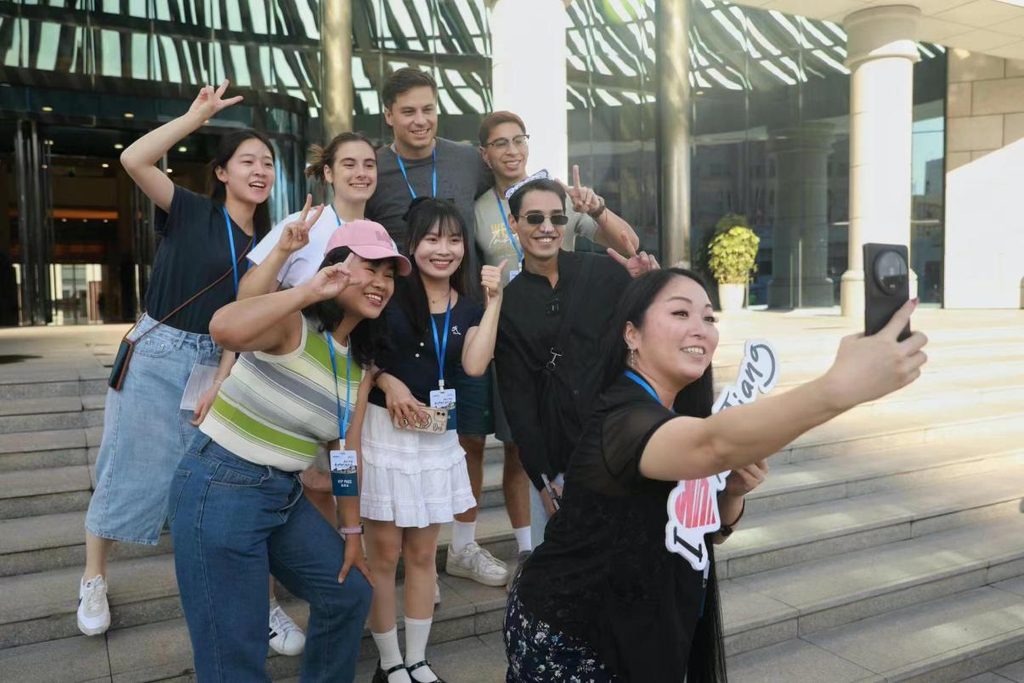
One documented example is the US$300,000 contract signed in November 2021 between the Chinese Consulate in New York and U.S. marketing firm Vippi Media. The contract called for at least eight influencers active on platforms such as Twitch, Instagram and TikTok to produce at least 24 sponsored content segments connected to the Beijing Winter Olympics, Chinese culture and positive U.S.–China relations.
This was not an accidental wave of enthusiastic posts. It was a paid campaign, organised through a U.S. intermediary and disclosed in U.S. foreign-agent registration records.
The approach has continued. In June 2025, Chinese state-affiliated media promoted a ten-day, all-expenses-paid China trip for American influencers with large social-media audiences. In 2026, Hainan’s international tourism promotion programme openly sought to recruit 40–50 foreign content creators, offering free travel experiences and opportunities for cash rewards in exchange for content shared with international audiences.
The marketing objective is obvious: turn the creator’s audience into an audience for the destination—and, by extension, for the national image Beijing wants to promote.
[Sources: ProPublica’s investigation of the Winter Olympics campaign; Hainan’s 2026 influencer recruitment programme.]
The foreign influencer is the message
A 2026 academic study published in Comparative Political Studies examined global propaganda videos featuring Chinese and American influencers. In a preregistered experiment involving 2,400 American participants, videos featuring an American praising China significantly improved perceptions of China’s personal safety and freedom of speech. The measured effects were approximately 1.07 standard deviations for perceived safety and 1.01 standard deviations for freedom of speech compared with the control group.
The American messenger was more persuasive than the Chinese messenger for U.S. viewers. That is the strategic value of the foreign face: it makes a message that would otherwise look like global propaganda feel like a personal recommendation from someone supposedly just like the viewer.
The study does not establish that every creator who praises China is being paid. It demonstrates why state-linked organisations have an incentive to recruit, subsidise and amplify foreign creators.
[Source: Liang and McNamee, 2026, Authoritarian Persuasion at Home and Abroad: The Partial Effectiveness of Foreign Influencers in Propaganda Work.]
The tourism pitch: a controlled version of China for foreign audiences
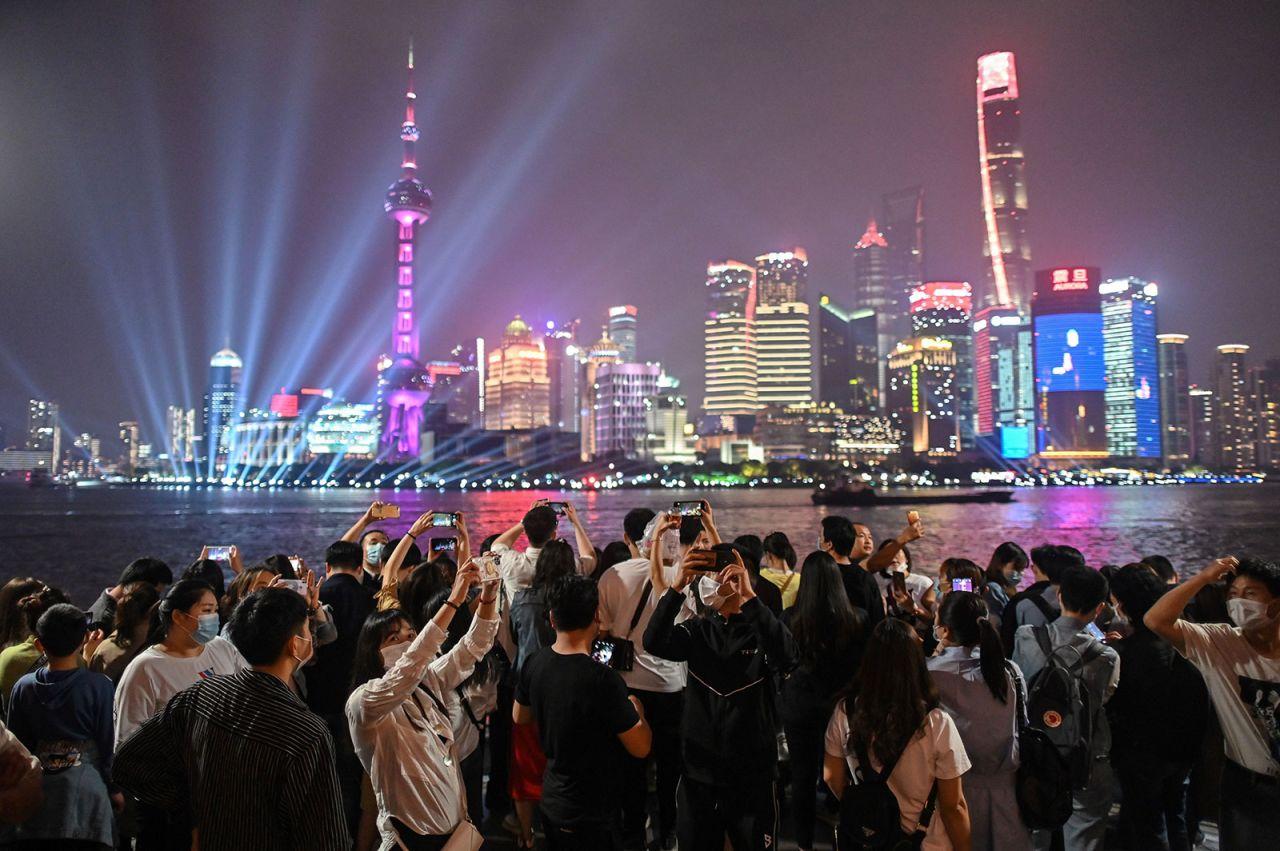
Tourism is particularly useful because it gives a campaign an apparently harmless subject. A foreign visitor films a futuristic skyline, a spotless metro, a drone show, a high-speed train, a robot exhibition or a late-night street scene. The resulting video looks like an independent discovery, even when the trip, itinerary, accommodation or production support came from an official or state-linked source.
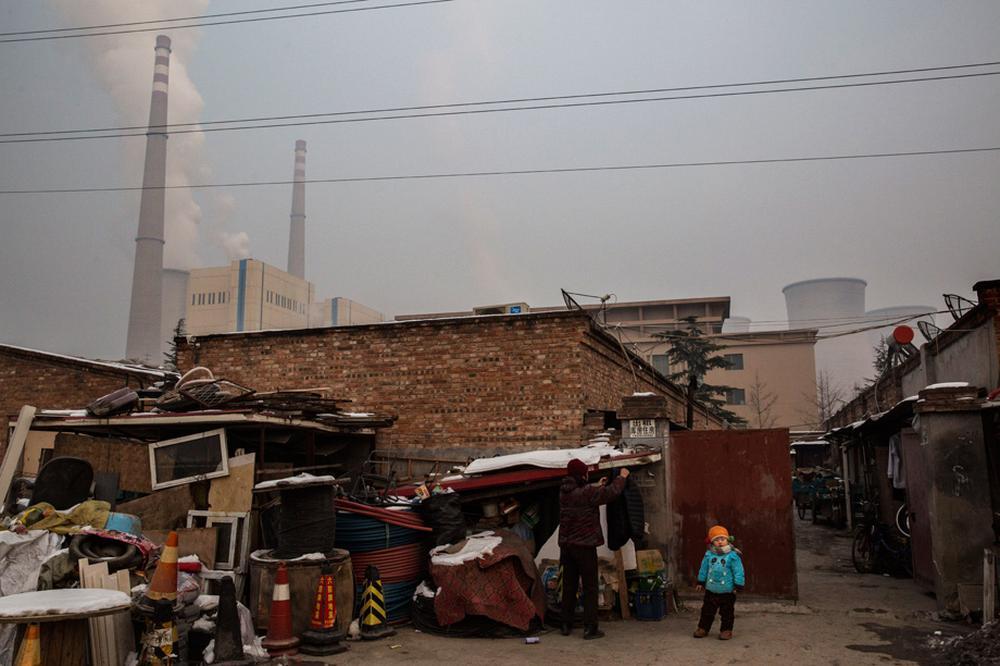
The unattended-valuables video is a particularly effective format. A creator leaves a laptop or phone on a table, walks away, then returns to find it untouched. The clip is presented as proof that China is extraordinarily safe. But a short, uncontrolled social-media experiment cannot establish national crime rates, and it tells viewers nothing about the conditions outside the particular location, time and circumstances filmed.
A September 2025 viral video by a Paris-based creator, for example, showed a laptop left unattended in a Chinese shopping mall for 30 minutes. I found no reliable evidence that this particular video was paid for or staged, so it should not be labelled as such. The more important documented point is that China-linked organisations do finance foreign influencer trips and recruit creators specifically to distribute favourable content. The promotional ecosystem is real even when the funding of an individual viral clip cannot be established.
The Czech Republic provides a much more direct example. A multi-year campaign examined by the CHOICE research project traced influencer approaches back to China Radio International. Czech creators were offered €1,000–€3,000 per video for content involving tourism, crafts and Chinese culture. In 2024, a prominent Czech TikToker was taken on a fully funded trip to Xinjiang, filmed daily and given scripted messages. In 2025, a Czech YouTuber staged a sting operation: three influencers signed mock contracts that included a promise not to criticise China or the CCP.
This is how the method works. The content does not need to look like a political advertisement. It can be dancing, travel, food, architecture or a supposedly spontaneous reaction. The political value comes from the larger impression those videos create.
[Sources: CHOICE investigation, “Scripted Smiles: How Chinese State Media Courted Czech Influencers”; Reporters Without Borders, Propaganda Monitor.]
Fake local news and coordinated distribution
The operation is not limited to paid posts or openly sponsored trips. It also includes networks designed to make state-aligned content appear to originate from independent local media.
Citizen Lab’s investigation of the PAPERWALL network identified 123 domains posing as local news outlets and targeting audiences in 30 countries. Their sites copied local news, press releases and ordinary commercial material, while political content and attacks on critics appeared within the same network. The local-looking names and familiar news formats were designed to create an appearance of legitimacy.
Google’s October 30, 2026, Q3 influence-operations bulletin provides another recent snapshot. Google reported terminating 6,103 YouTube channels in July as part of an ongoing investigation into coordinated influence operations linked to the People’s Republic of China. The channels shared Chinese- and English-language material about China and U.S. foreign affairs. Google also reported separate China-linked channel and Blogger removals for content supportive of China and critical of the United States.
These figures are account removals, not a measure of advertising expenditure or actual audience reach. They show that the operation also uses coordinated distribution networks rather than relying exclusively on paid advertising.
Meta has separately documented a China-origin network using Facebook and Instagram to pose as Taiwanese local communities. The network used fake local identities, operated across platforms and spent about US$15,000 on Meta advertising. It targeted Taiwan rather than the United States, but it demonstrates how Western-owned platforms can be used to disguise the origin of political messaging and make it appear locally produced.
[Sources: Citizen Lab, PAPERWALL; Google, Q3 2026 Influence Operations Bulletin; Meta threat-research indicators, H1 2026.]
The narratives Beijing wants foreign audiences to absorb
The recurring themes are not random. They serve a political, commercial or tourism purpose, and they repeatedly present carefully selected images as proof of much broader claims.
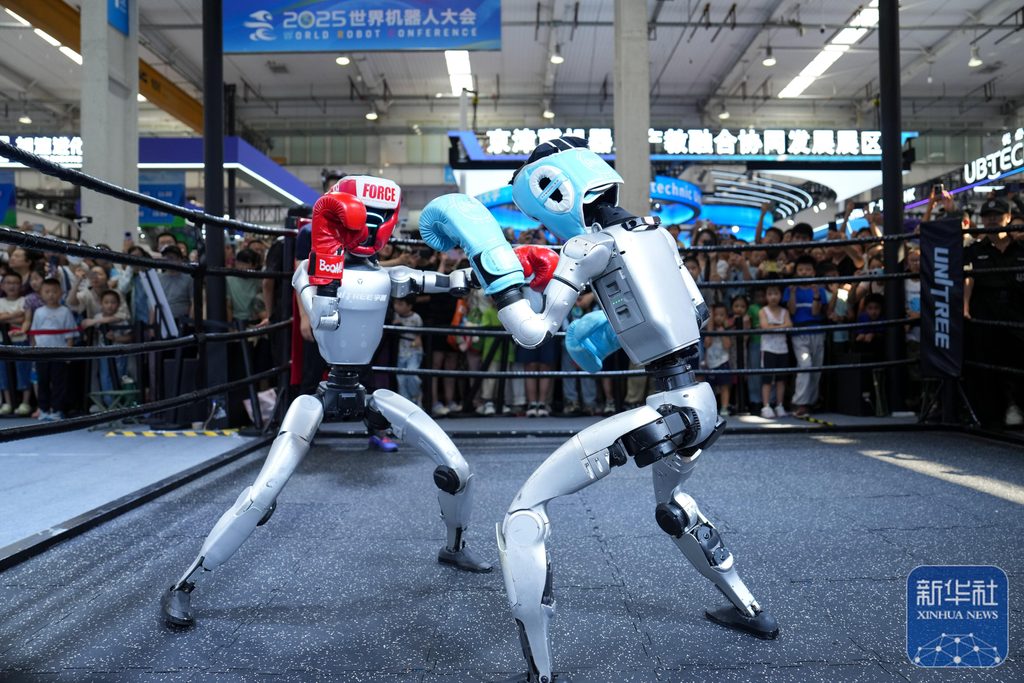
- “China has the world’s best robots, AI and technology.” Spectacular humanoid robots, automated factories, futuristic transport and carefully staged technology demonstrations are presented as evidence of an unbeatable technological future. A show-floor performance or choreographed demonstration is not proof of reliability, autonomous operation or superiority across an industry.
- “China is exceptionally safe.” Influencers leave laptops, phones or valuables unattended, film the result and turn a single anecdote into a sweeping national conclusion. The format is designed to be memorable and shareable, not to measure crime or public safety.
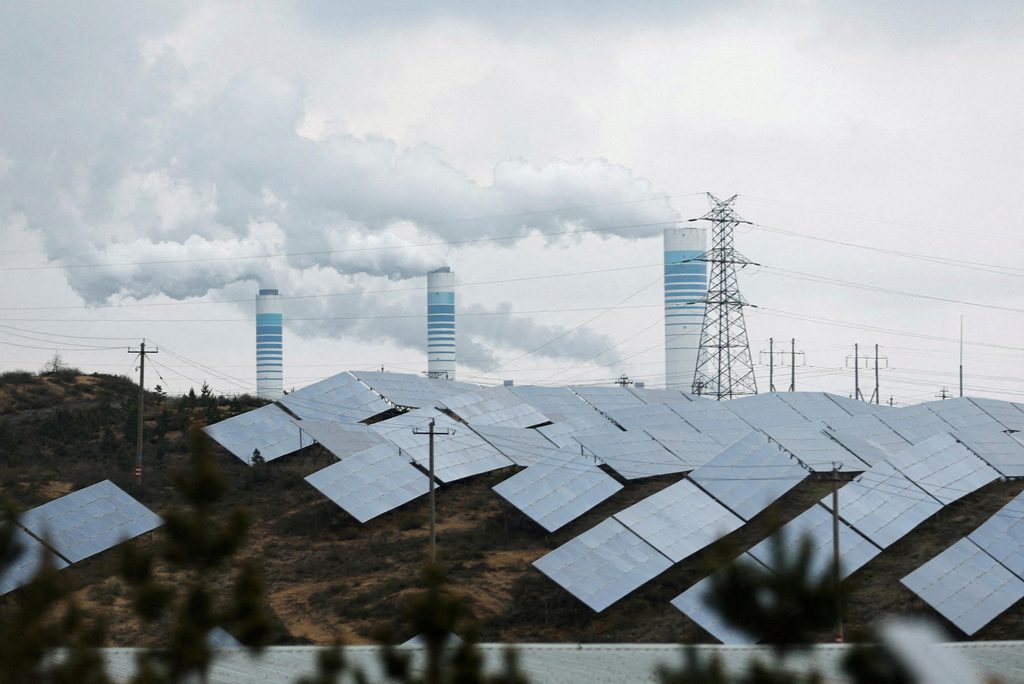
- “China is the world’s green leader.” State messaging presents China as an indispensable climate and clean-energy leader. The green narrative also advances industrial and geopolitical interests in solar panels, electric vehicles, batteries and critical-mineral supply chains. A 2025 DSET report documents how state-affiliated media and other institutions use tailored climate narratives and overseas exchanges to build influence. In reality China’s green energy is ripe with fake reports, manipulated statistics and misleading claims.
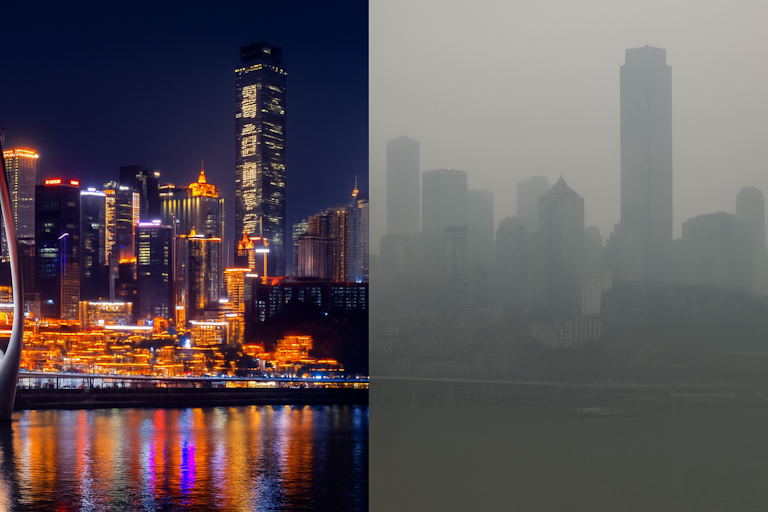
- “China is clean, green and environmentally advanced.” Foreign visitors are shown polished city centres, spectacular skylines, spotless tourist districts and carefully selected modern developments. The industrial reality outside these promotional settings is considerably less attractive. China’s heavy industry is increasingly shifting westward, moving pollution into regions that receive less attention from national air-quality control programmes. A June 2025 investigation by the Centre for Research on Energy and Clean Air found that while national PM2.5 levels declined by 5% in Q1 2025, pollution increased in Guangxi (+32%), Yunnan (+14%) and Xinjiang (+8%). Industrial production, including coal-intensive steelmaking and chemical manufacturing, was expanding in these regions. By October 2026, 18 of China’s 31 provincial capitals still exceeded the national annual PM2.5 benchmark. The health consequences are substantial: China recorded approximately 1.06 million new lung cancer cases and 733,291 lung cancer deaths in 2022. A separate Global Burden of Disease analysis estimated that PM2.5 exposure accounted for approximately 211,400 lung cancer deaths in China in 2021, including 178,600 attributed to ambient outdoor pollution. This is the environmental reality largely missing from the carefully curated image of a clean, futuristic China.
- “Xinjiang is harmonious, prosperous and culturally vibrant.” Carefully selected videos show smiling communities, dancing, festivals, tourism and modern infrastructure, while the political purpose is to discredit criticism and redirect attention from allegations of repression and coercive policies.
- “Tibet and other minority regions are thriving under Beijing.” Tourism footage and curated cultural performances are used to project an image of prosperity and cultural vitality while marginalising questions about political control, autonomy and restrictions on independent reporting.
- “The Chinese economic model is superior.” Infrastructure, high-speed rail, poverty-reduction claims, skyscrapers and industrial growth become proof that authoritarian rule is more effective than democracy. We discussed how this is wrong.
- “China is a peaceful and responsible global power; the West is the destabilising force.” This framing portrays criticism of Beijing as hypocrisy, presents U.S. policy as the source of regional tension and reinforces the claim that Taiwan should accept Beijing’s position. In fact, China had conflicts with every bordering nations, all the way to the Philippines, and led wars of expansions into annexing distinct territories.
- “Foreign media lie about China; foreign visitors reveal the real country.” This is the meta-narrative that makes all the other campaigns work. The influencer is cast as the brave outsider who supposedly sees through Western reporting, even when the itinerary, content brief or funding comes from a state-linked organisation. Actually, foreign media barely covers internal affairs of China at all – since they are not interested and it’s too complicated to send reporters there.
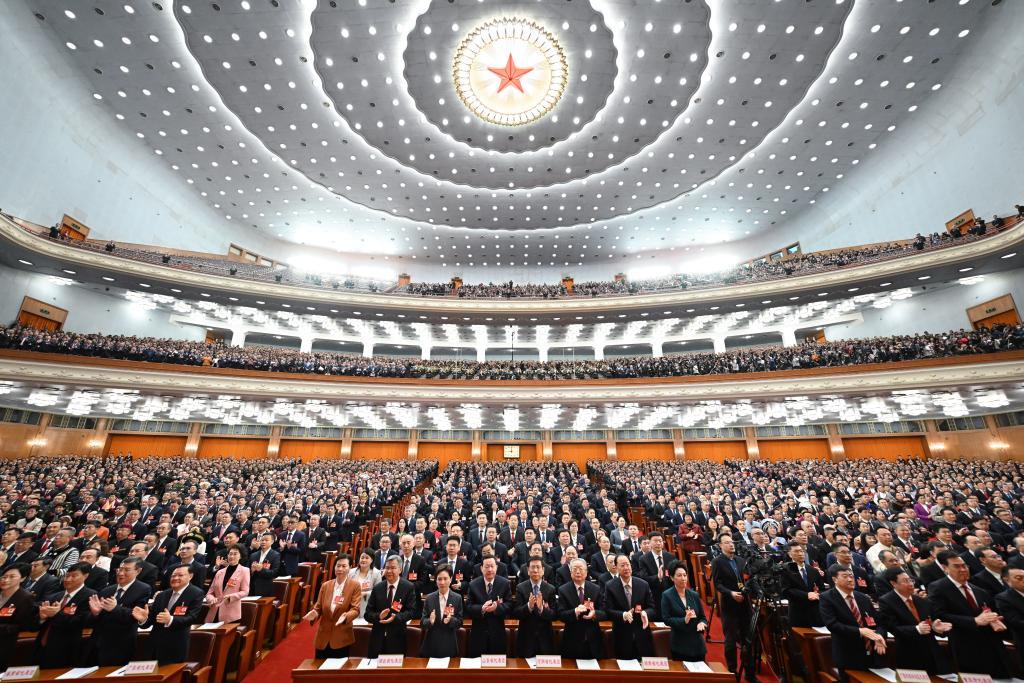
- “China is a democracy—look at the Two Sessions!” Every year, Beijing stages the National People’s Congress (NPC) and Chinese People’s Political Consultative Conference (CPPCC) as demonstrations of popular representation and what it calls “whole-process people’s democracy.” State media, diplomats and overseas publications present thousands of delegates gathering in Beijing as evidence that citizens participate in national decision-making. The institutional details tell a different story: ordinary citizens do not directly elect the nearly 3,000 national NPC deputies; those deputies are selected indirectly through lower-level people’s congresses, based on candidate lists drawn up by the Communist Party. The CPPCC is not an elected parliament at all, but a political advisory body whose members are recommended by political and professional organisations. There is no open multiparty competition for national governing power. The annual spectacle is repeatedly exported as evidence of democracy while the Communist Party retains its monopoly on political leadership.
[Source: DSET, Unveiling the Hidden Agenda Behind China’s Green Ambitions.]
Why spend so much?
The returns on global propaganda efforts are not limited to public relations.
Political: Reduce the reputational cost of authoritarian rule, weaken international criticism, undermine support for dissidents and critics, and shape foreign opinion on Taiwan, Xinjiang, Tibet and other sensitive subjects.
Economic: Promote Chinese companies and industrial sectors, attract investment, build demand for Chinese products and technology, and influence how foreign markets assess dependence on Chinese supply chains.
Tourism: Encourage foreign visitors, generate favourable travel content, promote destinations and create a large volume of apparently independent recommendations that can be reused by official tourism and media channels.
Strategic: Make state-produced messaging look like ordinary journalism, local news or personal experience. The ultimate objective is not simply to persuade people to like China. It is to make the CCP’s preferred interpretation of events easier to encounter, more familiar and harder to distinguish from independent reporting.
A 19-country experiment published in the American Journal of Political Science found that exposure to real Chinese state-media messages increased support for the Chinese political model among participants. In the study’s political-model comparison, the proportion preferring China’s model rose from 16% in the control group to 54% after exposure to Chinese messaging. The experiment shows that the content can shift perceptions; it is not merely a symbolic exercise.
[Source: Mattingly et al., Chinese State Media Persuades a Global Audience That the “China Model” Is Superior.]
The real cost and hypocrisy
The millions spent on advertising, influencers and social-media campaigns are only the visible part of China’s global propaganda machine. Covert networks, fake news outlets, sponsored trips and coordinated amplification extend its reach, serving political, economic and commercial interests far beyond ordinary public relations.
The hypocrisy is striking: Beijing exploits the openness of Western social networks to influence foreign populations while blocking those same platforms for its own citizens. It demands access to the world’s information environment while denying its population the freedom to access it.
Sources and research trackers
Primary records and investigations
- U.S. Department of Justice — China Daily FARA filing, May 2026
- U.S. Senate — The Global Information Wars, May 2023
- Freedom House — Beijing’s Global Media Influence 2022: United States
- ProPublica — How Bots and Fake Accounts Push China’s Vision of Winter Olympic Wonderland
- Citizen Lab — PAPERWALL
- CHOICE — Scripted Smiles: How Chinese State Media Courted Czech Influencers
- Reporters Without Borders — Propaganda Monitor
- Google — Q3 2026 Influence Operations Bulletin
- Meta Threat Research — China-based influence network, H1 2026
Academic and specialist research
- Anne-Marie Brady — Authoritarianism Goes Global: China’s Foreign Propaganda Machine
- Mattingly et al. — 19-country experiment on Chinese state-media persuasion
- Liang and McNamee — Foreign influencers and authoritarian propaganda, 2026
- DSET — Unveiling the Hidden Agenda Behind China’s Green Ambitions
Ongoing monitoring and research desks
- China Media Project
- The Citizen Lab
- Australian Strategic Policy Institute
- Atlantic Council — Digital Forensic Research Lab
- Doublethink Lab and China Index
- Reporters Without Borders — Propaganda Monitor
- China Digital Times
- Graphika
- Meta — Adversarial Threat Reports
- Google Threat Analysis Group — Influence Operations Bulletins
- Stanford Internet Observatory — research archive and prior investigations.