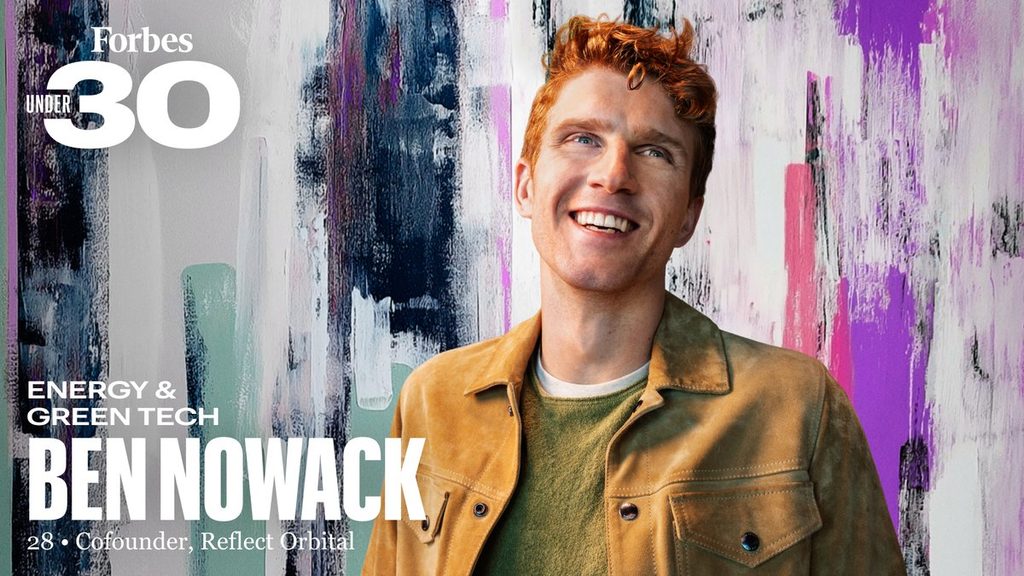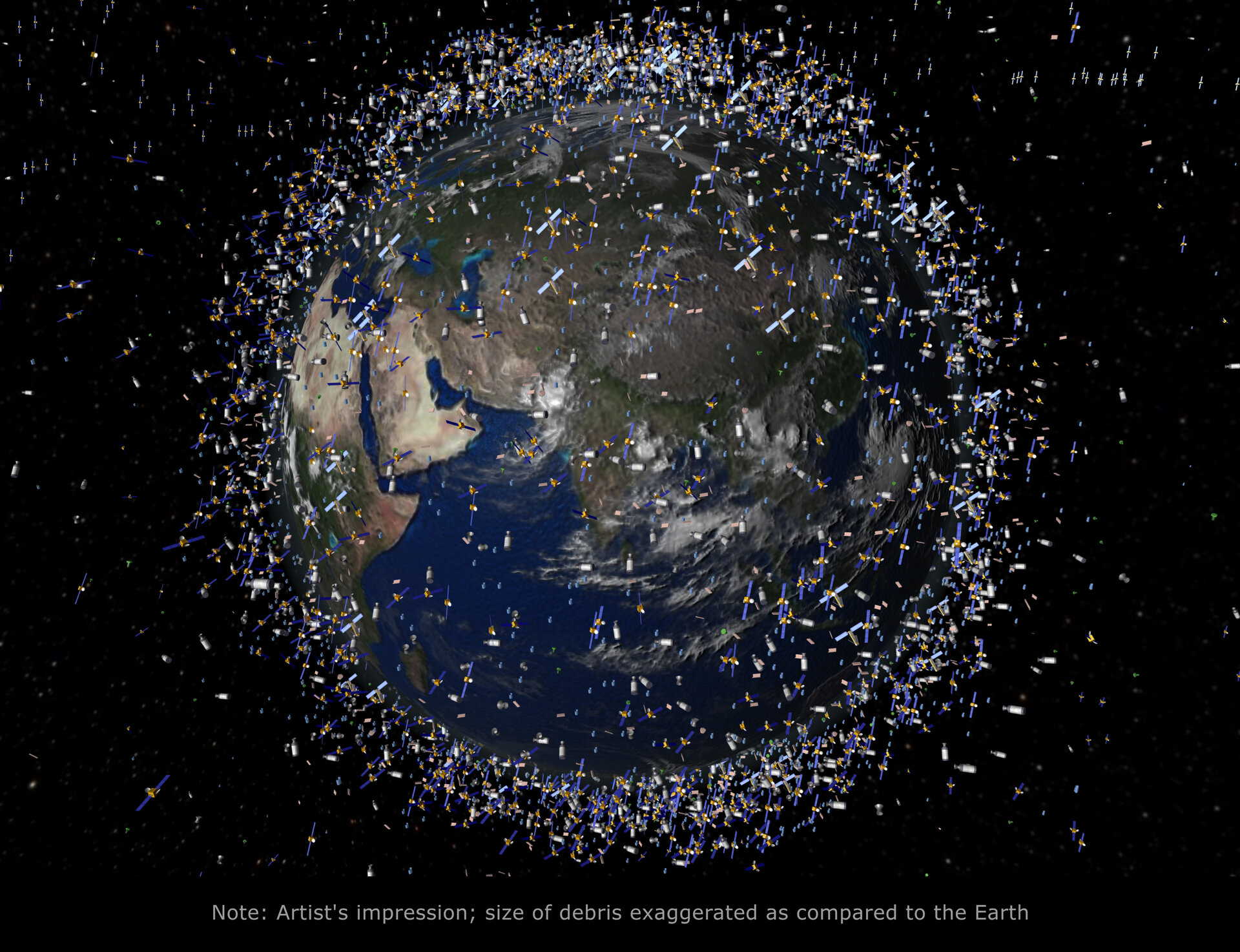

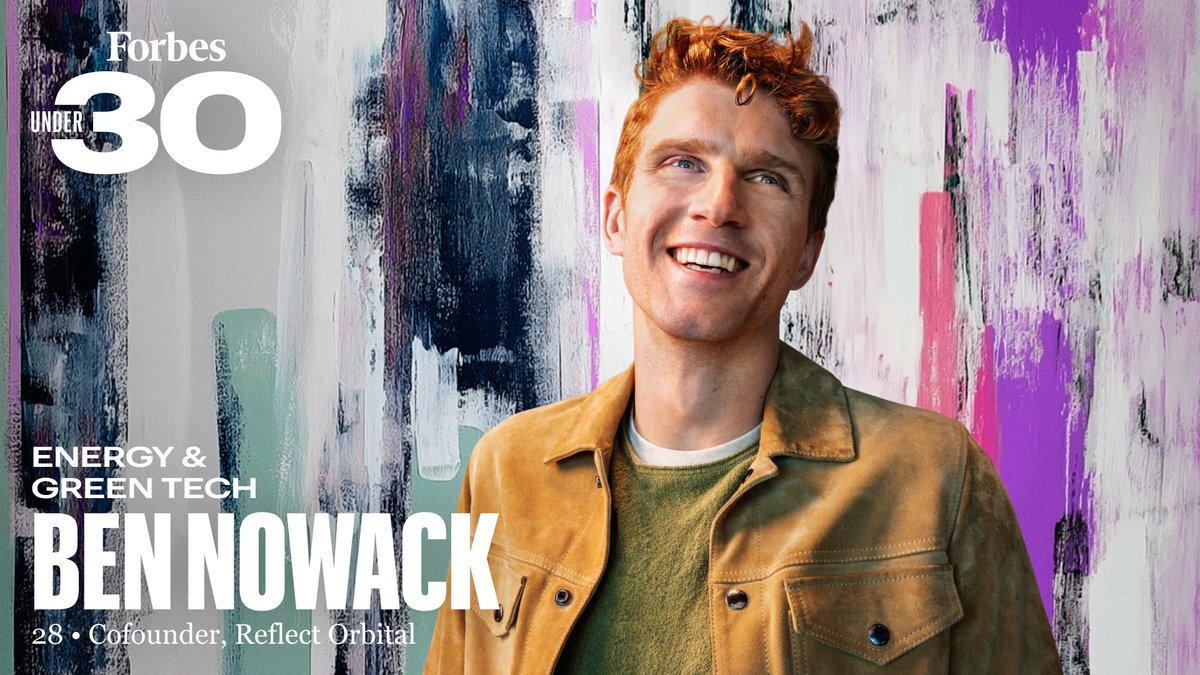
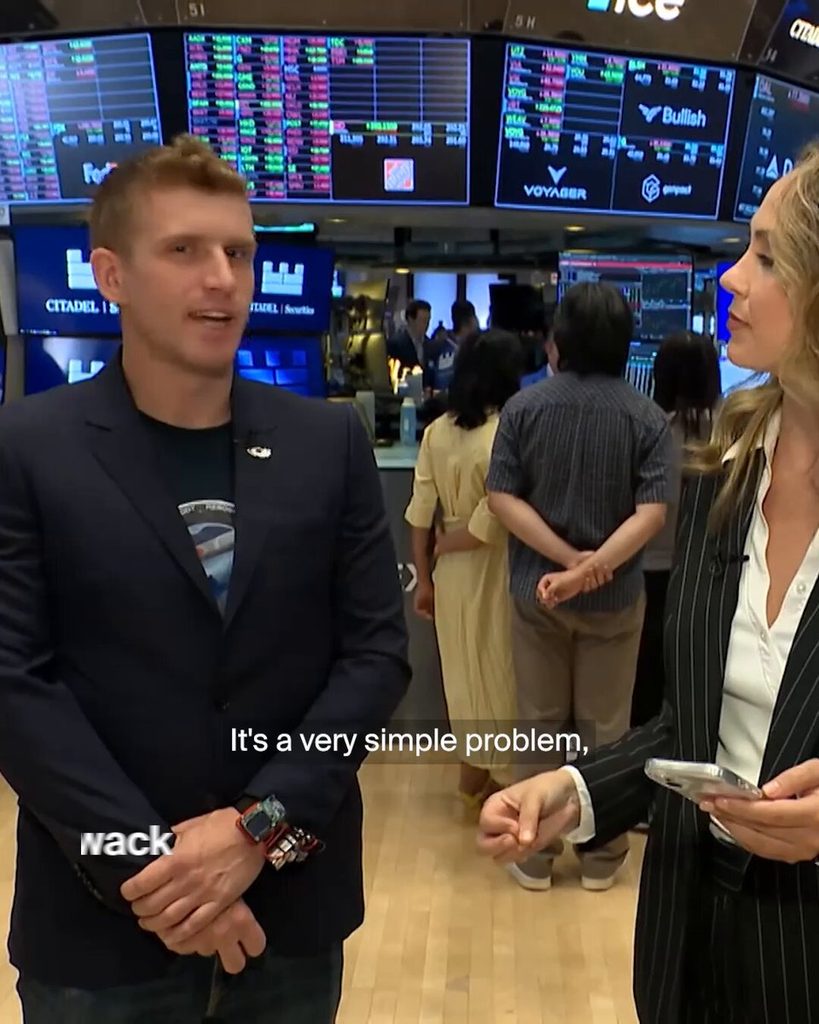
California startup Reflect Orbital wants to sell sunlight at night. Founders Ben Nowack (ex-SpaceX) and Tristan Semmelhack plan a constellation of satellites carrying large mirrors. These would bounce sunlight onto specific patches of Earth after dark—mainly to keep solar farms generating power, with secondary uses for emergency lighting or events. Their website promises spots roughly 5 km across, orderable via app, lasting a few minutes as the satellites pass overhead.
Philip E. Mason (Thunderf00t), the British chemist known for dissecting overhyped claims, takes the idea apart with basic geometry and a dollar store mirror.
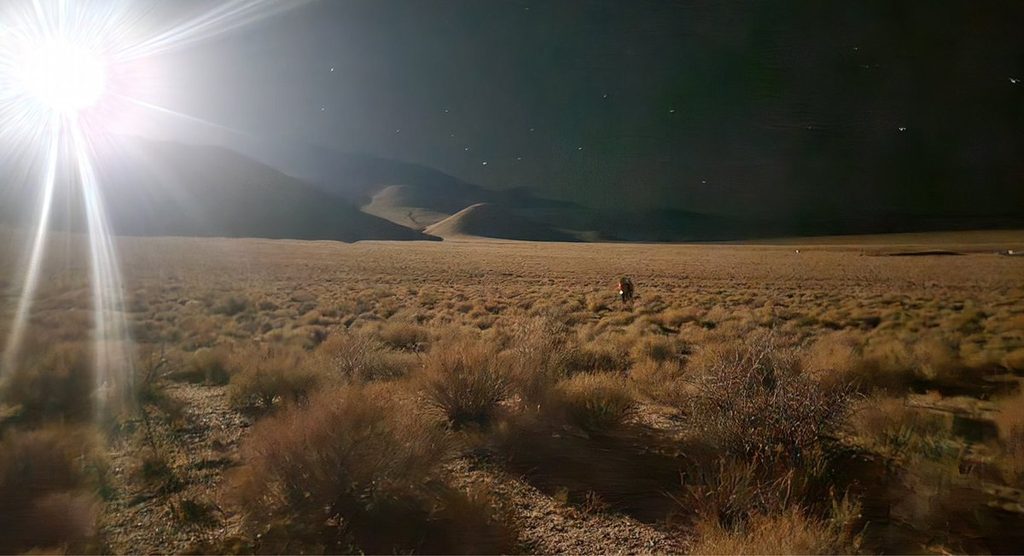
The Sun is not a point source. Its angular diameter is about half a degree. Reflect light from low-Earth orbit (around 500–600 km altitude) and that angular size spreads the beam into a disk several kilometres across on the ground. A 10 m mirror therefore dilutes the intensity by a factor of roughly a quarter of a million compared with direct sunlight. Even stacking a hundred satellites only improves the figure to a few thousand times fainter than noon. Useful power for solar panels would require hundreds of thousands of mirrors focused on the same spot—an enormous, expensive fleet that spends most of its time over ocean or empty land.
Their balloon demonstration simply confirmed that flat mirrors reflect light over short distances. At orbital range the same physics produces a large, faint patch. The Moon already reflects sunlight at night and has never made solar farms profitable around the clock. Launch costs, even optimistic ones, push the price of a single usable “sunlight” spotlight into the tens of billions of dollars.
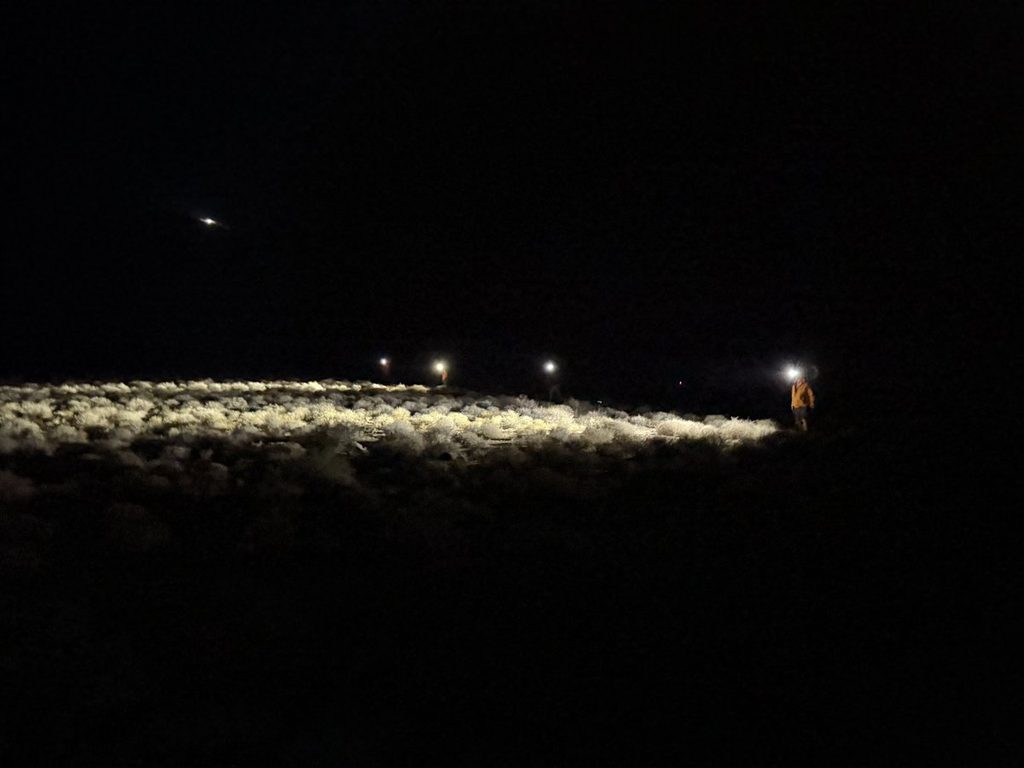
Mason notes that the same geometry would also turn a dense enough constellation into an unintended weapon: enough mirrors could deliver destructive heat anywhere on Earth once per orbit. No one has built it for a reason.
The company has FCC approval for a single test satellite (Eärendil-1) and talks of scaling to tens of thousands. The physics of beam divergence and orbital geometry remain unchanged. But yeah.. Forbes was impressed. The state of journalism in today’s age…