
A new generation of drugs is being sold less like contraband and more like consumer technology: sleek packaging, sweet flavours, pocket-sized devices, influencer culture and the promise of a quick effect with little fuss. The cool drug economy stretches from legal nicotine pouches such as ZYN to illicit vapes carrying powerful sedatives and other psychoactive chemicals. These are not equivalent products, and their legal status and risks differ sharply. What connects them is how familiar consumer products and polished marketing can make repeated drug use appear ordinary, convenient and socially acceptable.
ZYN: the legal face of the cool drug economy
ZYN grew out of Swedish Match’s nicotine-pouch business, which became part of Philip Morris International following its 2022 acquisition of the company. ZYN is now manufactured at Swedish Match facilities in Kentucky and Sweden. The company describes its products as smoke-free, spit-free and intended for adults aged 21 and over. Its US website promotes multiple flavours and nicotine strengths, including newer, stronger products. The public product information identifies the nicotine salt used, but does not disclose the original country of manufacture for that nicotine.
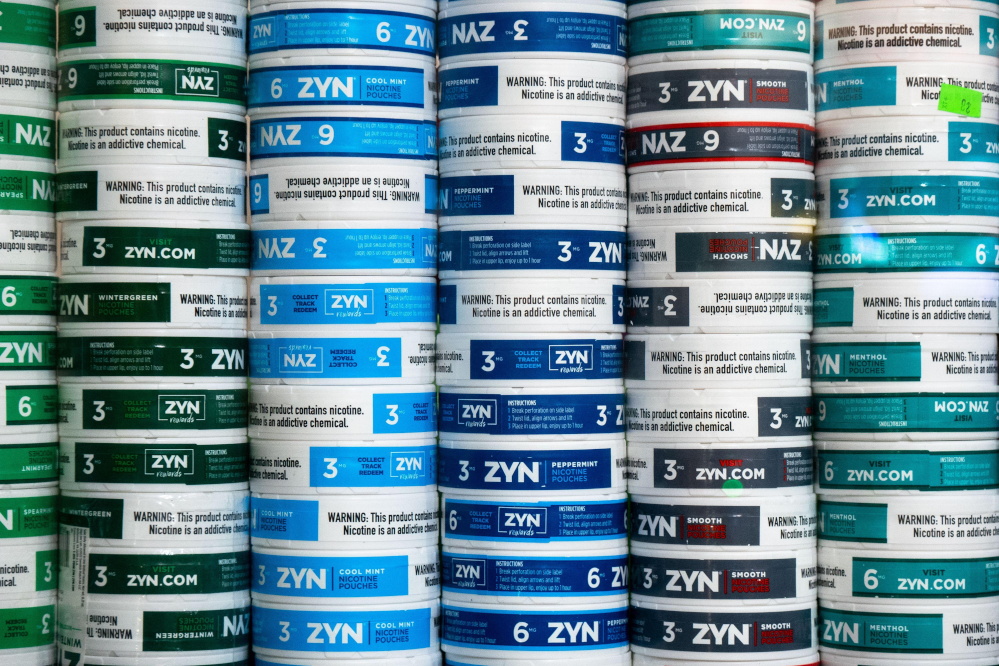
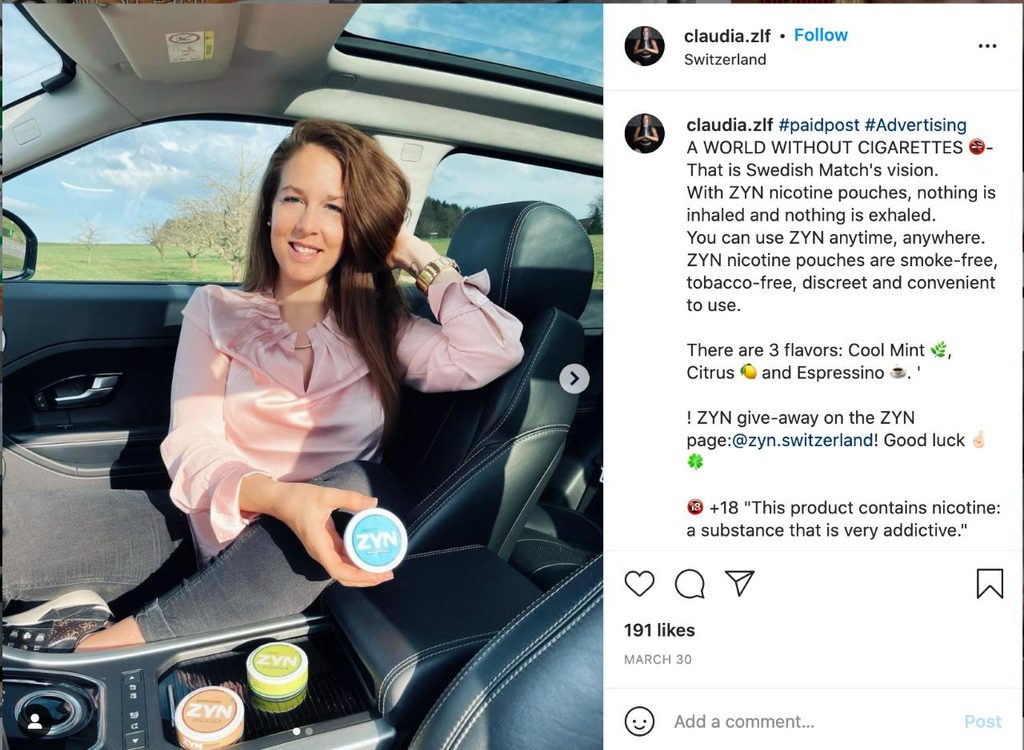
The appeal is straightforward: nicotine without smoke, smell, a lighter or a visible vape. The pouch can be used discreetly in situations where smoking or vaping would attract attention. It is a convenient product, and convenience is also an advantage when the objective is to consume nicotine repeatedly throughout the day.
The marketing effect goes well beyond official advertisements. A study of the 100 most-viewed TikTok videos under #ZYN, collected in July 2024, found:
- More than 400 million views and 3.8 million shares across those 100 videos.
- Positive presentation of ZYN or other nicotine pouches in 79% of the videos.
- ZYN products visibly featured in 71%.
- Only 5% presenting the products as a tool to stop smoking or vaping.
- Some creators linked directly to websites selling nicotine pouches.
These figures describe social-media content, not proof that the company paid for every post. The distinction matters: a product can acquire enormous cultural visibility through user-generated content, humour and influencer-style promotion without every video being a commissioned advertisement.
There is a legitimate harm-reduction argument for some nicotine pouches. In January 2025, the US FDA authorized the marketing of 20 specific ZYN products after finding substantially lower levels of harmful constituents than cigarettes and most traditional smokeless tobacco products. The FDA concluded that the products presented lower risks of cancer and other serious health conditions than those alternatives, particularly for adults who completely switch from smoking. That is not a declaration that ZYN is safe, nor an authorization to market it as a smoking-cessation medicine.
One important correction to the claims often made about nicotine: nicotine itself is not the principal cause of tobacco-related cancer. It is the highly addictive chemical that keeps people using tobacco products; much of the serious disease associated with smoking comes from the other chemicals in tobacco and tobacco smoke. That distinction does not make nicotine harmless, especially for adolescents and people who have never used it.
The concern is the expansion of nicotine consumption beyond existing smokers who might otherwise switch to a lower-risk product. When an addictive drug is repackaged as a discreet lifestyle accessory, it can attract people who were not previously smokers at all. That is the darker side of the cool drug economy: the market is no longer just competing for existing users; it can create new ones.
Zombie vapes: turning consumer devices into drug delivery systems
The illicit side is considerably more dangerous. Criminal networks have been replacing ordinary vape liquids with mixtures containing synthetic cannabinoids, benzodiazepines, ketamine and, increasingly, etomidate. The resulting products have been called K-pods, space oil, space vapes and zombie vapes.
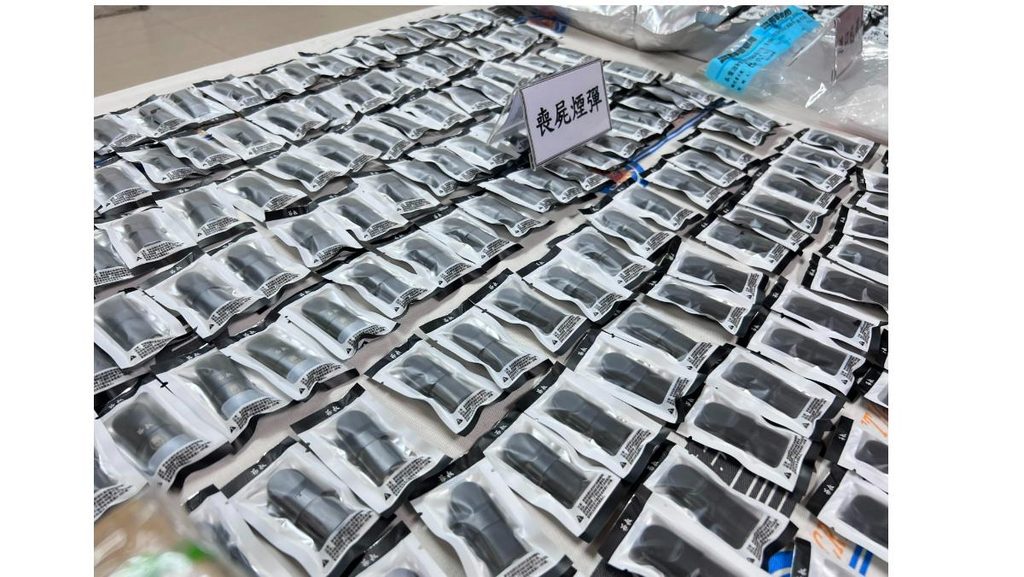
Etomidate is a short-acting general anaesthetic used medically to induce sedation. It is not intended to be inhaled recreationally. According to the UN Office on Drugs and Crime, etomidate was identified in illicit e-liquids in China after the country tightened controls on synthetic cannabinoids in 2021. China controlled etomidate itself in October 2023, after which related compounds began appearing as substitutes. Cases and detections subsequently spread through Hong Kong, Singapore and other parts of East and Southeast Asia.
The response illustrates how quickly this market adapts. Control one chemical and sellers move to an analogue. Control the analogue and another formulation appears. The product may still look like an ordinary flavoured vape, while its actual contents and strength remain unknown to the person using it.
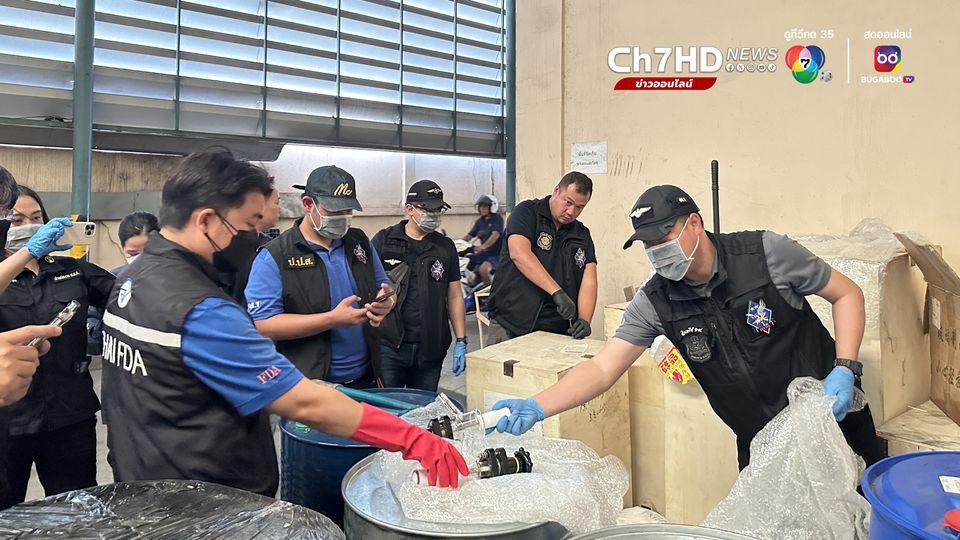
The supply trail reaches directly into China. In December 2024, four Chinese nationals were arrested in Bangkok after importing precursor chemicals from China that were sufficient to produce an estimated 200 kilograms of etomidate.
Who supplies the legal and illegal products?
The cool drug economy is not one unified supply chain. Different products have different manufacturers and routes:
- Legal nicotine pouches: ZYN belongs to Swedish Match, now owned by Philip Morris International. Its US production takes place in Kentucky and Sweden. The company’s public information does not identify the original country of manufacture for its nicotine salt, so it would be misleading to claim that ZYN’s nicotine supply is Chinese.
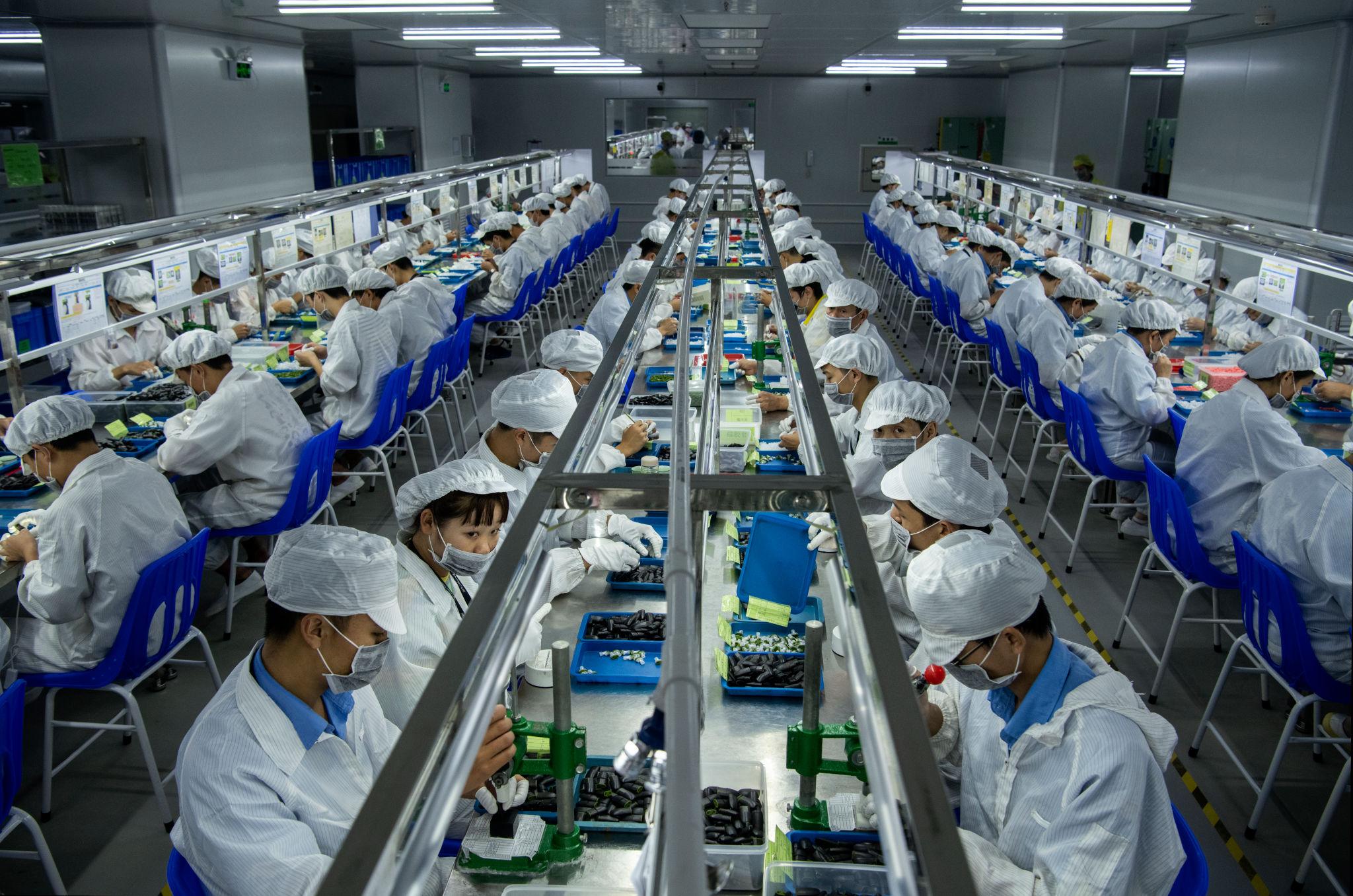
- Vape hardware: China is the dominant manufacturing centre for electronic cigarettes. A September 2026 study in Tobacco Control estimates that China produces more than 90% of the world’s e-cigarettes, including products sold under international brands as well as Chinese brands. It describes a manufacturing ecosystem concentrated around Shenzhen, with rapid product turnover, frequent design changes and exports to more than 160 countries. This is a statement about the device and e-cigarette industry, not proof that every illicit drug liquid is manufactured in China.
- Etomidate and illicit vape liquids: UNODC documents the early emergence of etomidate in Chinese e-liquids, while the Bangkok arrests demonstrate Chinese-sourced precursors entering Thailand. Criminal production and distribution can occur elsewhere in the region; there is no single supplier responsible for every contaminated vape.
- Fentanyl: This is a separate drug supply chain, but it demonstrates China’s wider importance to the international synthetic-drug trade. For the US market, the main route today is not finished fentanyl shipped directly from China. Chinese suppliers provide precursor chemicals to Mexican criminal organizations, which manufacture fentanyl in clandestine Mexican laboratories before it is smuggled into the United States. A 2025 US Government Accountability Office report describes this chain and also documents the use of Chinese money-laundering networks to move drug proceeds.
That last distinction is important. China tightened controls on fentanyl-related substances in 2019, which curtailed almost all direct shipments of finished fentanyl from China to the United States. The current problem is the precursor trade and the ability of chemical suppliers to offer substitute compounds when particular chemicals become controlled.
Does China turn a blind eye?
There is evidence behind concerns that Chinese enforcement has been inconsistent and that commercial incentives have sometimes worked against drug-control efforts. The US House Select Committee on the Chinese Communist Party reported in 2024 that its investigation found Chinese government tax rebates and monetary grants benefiting companies openly selling illicit fentanyl materials and other synthetic narcotics. It also cited examples of provincial officials visiting companies and praising their contribution to local economies. Those are serious findings from a congressional investigation, not judicial verdicts against every company or proof that every local authority knowingly approves illegal exports.
The US State Department’s 2025 narcotics-control report, as summarized by the Congressional Research Service, described Chinese counternarcotics enforcement as “uneven and opaque” and said authorities had often failed to act against companies selling non-scheduled chemicals that could be used to manufacture illicit drugs. This points to a real regulatory weakness: when a precursor is not yet controlled, suppliers can exploit the gap while authorities are still catching up.
China has since taken additional measures, including scheduling more fentanyl precursors and introducing export controls. The Congressional Research Service records these actions through 2026. The question is no longer whether Beijing has any drug controls; it is whether enforcement consistently reaches the companies, intermediaries and local networks that profit from the trade.
There is also a legal complication behind claims that traffickers flee to China to escape prosecution. Under Article 8 of China’s Extradition Law, a foreign extradition request must be rejected if the person sought is a Chinese national. That can prevent another country from bringing a Chinese citizen to face trial there. It does not, by itself, provide immunity: Chinese authorities can prosecute the person inside China.
A recent example shows the difference. In May 2026, the US Department of Justice announced that Chinese national Wei Gong was in custody in China after being arrested by Chinese authorities in February, following information shared by US investigators. He had been indicted in the United States in a separate drug-importation case. The charges remain allegations, but the case demonstrates that a person can remain beyond US extradition while still being arrested by Chinese authorities. The broad claim that drug traffickers routinely flee to China and enjoy guaranteed impunity is therefore stronger than the evidence supports.
The consequences: what the research actually shows
The public-health consequences of the cool drug economy are already visible, although some claims circulating online exaggerate what has been measured.
- Etomidate toxicity: A UK Advisory Council on the Misuse of Drugs review identified five case series covering 111 cases of acute toxicity in Hong Kong, mainland China and Taiwan. Eight of those reports involved vaping. Reported symptoms included confusion, reduced or fluctuating consciousness, tremors, delirium, agitation and an unsteady gait. Hypokalaemia, a potentially serious electrolyte disturbance, was reported in 47 of 76 patients in the studies that examined it.
- Singapore’s growing caseload: A study published on 12 November 2026 reported that etomidate was first detected in Singaporean K-pods in 2024. Between October 2024 and December 2025, it was found in 898 urine samples from suspected drug users. About 41.9% of those samples contained etomidate as the only detected substance. These are samples, not necessarily 898 different individuals.
- Long-term uncertainty: Etomidate is used under medical supervision and controlled dosing. The UK review notes the lack of clinical data on its neurotoxic effects in young people, despite young people being a prominent group among reported recreational users. The long-term consequences of repeatedly inhaling etomidate in unregulated vape liquids remain poorly understood.
- Nicotine’s social-media reach: The #ZYN TikTok study found hundreds of millions of views for a relatively small group of highly viewed videos, with very little content presenting the product as a smoking-cessation tool. It demonstrates the scale of positive online exposure, although it does not prove how many viewers subsequently became users.
- The fentanyl toll: The Congressional Research Service cites a US estimate of 37,393 deaths from synthetic opioids, primarily fentanyl-related substances, in 2025. This is not a measure of vape-related deaths; it illustrates the scale of harm associated with the separate synthetic-opioid trade and its precursor supply chain.
The product is changing faster than the rules
The new drug market does not need to invent a new delivery system every time it introduces a new chemical. It can use devices people already recognize, packaging that looks like a consumer product and social channels where recommendations travel faster than public-health warnings. Legal nicotine companies have built an enormous market around discreet, flavour-led consumption. Criminal networks have learned that the same convenience and camouflage can be used to sell substances that have no safe recreational dose or established inhalation profile.
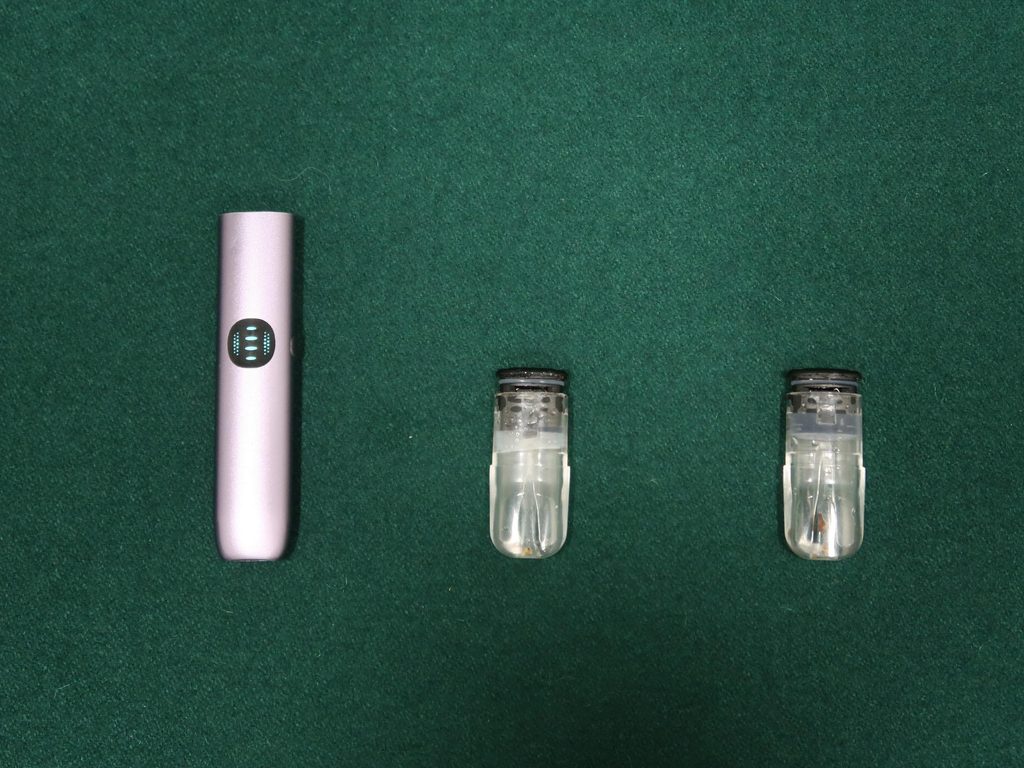
The cool drug economy is therefore about more than ZYN or zombie vapes. It is about turning drug delivery into an ordinary consumer habit, using design, convenience and social proof to lower the barrier to first use. The legal products and illicit mixtures are not interchangeable, but both show how branding can make a drug seem less consequential than it is. When the contents are hidden behind a familiar device, the person buying it may have very little idea what they are actually consuming.
Sources and further reading
- UNODC – Increasing detections of etomidate and analogues on illicit drug markets (March 2025)
- UK Advisory Council on the Misuse of Drugs – Review of the evidence on etomidate (2026)
- Journal of Analytical Toxicology – Emergence of Etomidate in Singapore (12 November 2026)
- Tobacco Control – China’s e-cigarette manufacturing industry (September 2026)
- GAO – Illicit Synthetic Drugs: Trafficking Methods, Money Laundering Practices, and Coordination Efforts
- Congressional Research Service – China Primer: Illicit Fentanyl and China’s Role (updated October 2026)
- US House Select Committee – Investigation Findings on China’s Role in the Fentanyl Crisis
- UNODC – China’s Extradition Law, Article 8
- US FDA – Marketing authorization for 20 ZYN nicotine pouch products
- Nicotine pouch promotion on TikTok – peer-reviewed study
- FDA – Chemicals in tobacco products and your health